
Hawker 4000 Jet: The Ambitious Business Aircraft Ahead of Its Time
Discover the Hawker 4000 jet, its performance, cabin comfort, advanced technology, and lasting legacy in business aviation history.
 Crew Daily
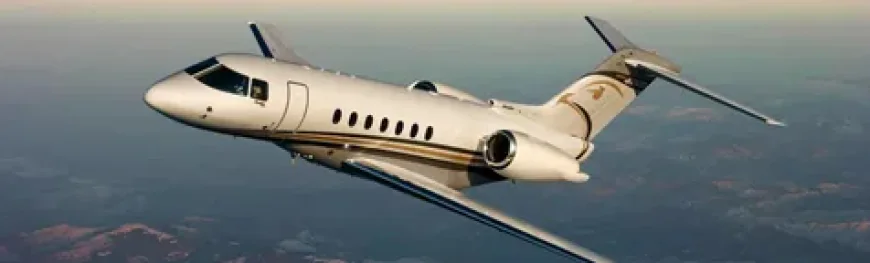
The Hawker 4000 jet is one of those aircraft that continues to spark interest long after production ended. Designed to redefine the super-midsize business jet category, it combined advanced materials, strong performance, and a comfortable cabin. At Crew Daily, we often explore aircraft that pushed boundaries, and the Hawker 4000 is a perfect example of innovation meeting real-world challenges.
The Idea Behind the Hawker 4000
The Hawker 4000 was originally developed by Raytheon Aircraft and later managed by Hawker Beechcraft. Its mission was ambitious: create a faster, lighter, and more efficient business jet that could outperform competitors in range and comfort. To achieve this, engineers turned to carbon fiber composites instead of traditional aluminum construction.
At the time, this was a bold move. Composite materials promised reduced weight, better strength, and improved fuel efficiency. While common today, this approach was still relatively new in business aviation when the Hawker 4000 was designed.
Performance and Flight Capabilities
Performance was one of the Hawker 4000’s strongest selling points. Powered by Pratt & Whitney PW308A engines, the aircraft could cruise at speeds close to Mach 0.82. This allowed business travelers to reach destinations quickly while maintaining efficiency.
The jet offered an impressive range of approximately 3,400 nautical miles, making nonstop transcontinental flights possible. Routes like New York to Los Angeles or London to Eastern Europe were well within its capability. Its ability to climb quickly to higher altitudes also meant smoother flights above weather systems and busy airspace, a feature frequently discussed in private aviation coverage on Crew Daily.
Cabin Comfort and Passenger Experience
Inside the Hawker 4000, comfort and practicality were clearly prioritized. The flat-floor cabin design allowed passengers to move freely, while large windows brought in natural light, creating an open and welcoming atmosphere.
Seating configurations typically accommodated eight to nine passengers, offering ample space for both work and relaxation. Noise reduction was another major benefit. The composite fuselage helped lower cabin noise levels, making conversations easier and reducing fatigue on longer flights. For executives using the jet as a flying office, this quiet environment was a major advantage.
Advanced Avionics and Pilot-Focused Design
The Hawker 4000 featured the Rockwell Collins Pro Line 21 avionics suite, which was considered cutting-edge at the time. The system provided pilots with advanced navigation, weather awareness, and safety features, all displayed on large, easy-to-read screens.
This technology reduced pilot workload and improved situational awareness, especially during complex flight phases. While not fully fly-by-wire, the aircraft incorporated modern control philosophies that reflected the industry’s shift toward smarter, more automated systems.
Challenges That Shaped Its Fate
Despite its innovation, the Hawker 4000 faced significant challenges. Developing composite airframes proved more complex and expensive than initially expected. Production delays increased costs, and the global financial crisis further reduced demand for new business jets.
In 2013, Hawker Beechcraft filed for bankruptcy, leading to the cancellation of the Hawker 4000 program. Only a limited number of aircraft were built, making it a rare jet today. These challenges ultimately overshadowed the aircraft’s technical strengths.
The Legacy of the Hawker 4000 Jet
Although its production run was short, the Hawker 4000 left a meaningful legacy. It demonstrated that composite construction could work in larger business jets, influencing later aircraft designs across the industry. Many features that were considered ambitious at the time are now standard in modern private jets.
For aviation enthusiasts, the Hawker 4000 represents an aircraft that was simply ahead of its time. At Crew Daily, we often highlight how such designs help push aviation forward, even if they don’t achieve long-term commercial success.
Why the Hawker 4000 Still Matters Today
Today, the Hawker 4000 remains respected for its performance, comfort, and forward-thinking design. Operators who own one still benefit from its speed, range, and quiet cabin. For the aviation industry, it serves as a reminder that innovation often involves risk, and that progress is built on bold ideas.
Final Thoughts
The Hawker 4000 jet stands as a symbol of ambition in business aviation. While economic realities ended its journey early, its influence continues to shape modern aircraft design. At Crew Daily, stories like the Hawker 4000 show how aviation evolves through experimentation, vision, and the willingness to challenge tradition.