
How Webinars and Events Generate High-Quality B2B Leads
Learn how webinars and events generate high-quality B2B leads by attracting decision-makers, building trust, and capturing valuable data that drives targeted follow-ups, stronger relationships, and higher conversion rates.
 lauracampbell
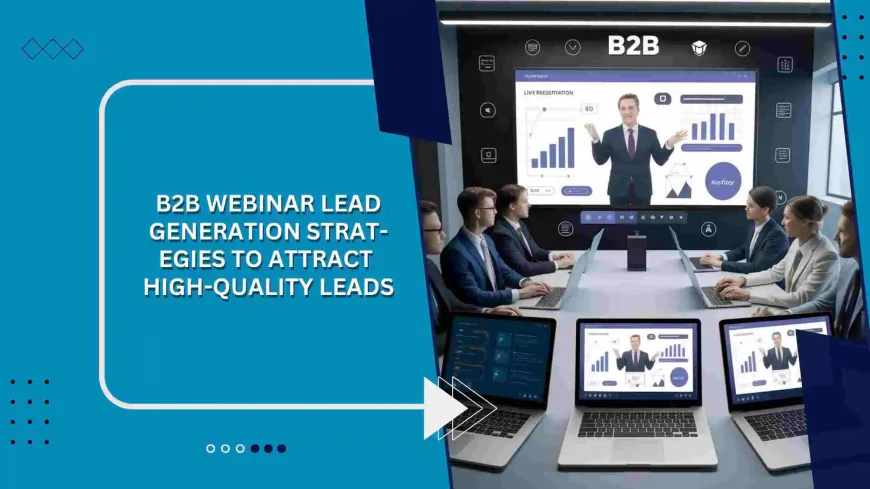
Explore How Webinars and Events Generate High-Quality B2B Leads
In B2B marketing, lead quality matters far more than lead quantity. A small number of well-qualified leads can drive more revenue than thousands of uninterested contacts. This is why webinars and events have become such powerful tools for B2B organizations. Unlike passive content formats, webinars and events require active participation, which naturally filters out low-intent audiences and attracts decision-makers who are genuinely interested.
Webinars and events create a space where education, interaction, and trust-building happen simultaneously. They allow businesses to showcase expertise, address real challenges, and engage prospects in meaningful conversations. Over time, this approach results in leads that are informed, aligned, and more likely to convert into long-term customers.
From experience, companies that invest consistently in webinars and events tend to see stronger relationships, shorter sales cycles, and higher conversion rates. These formats do not push products aggressively; instead, they guide prospects through value-driven experiences that support confident decision-making.
Why Webinars and Events Attract High-Intent B2B Audiences
One of the strongest advantages of webinars and events is the level of commitment required to attend. Registering, setting aside time, and actively participating signals genuine interest. This self-selection process naturally filters out casual browsers and attracts professionals with real intent.
In B2B environments, buyers are often looking for clarity, insights, and validation before making decisions. Webinars and events meet this need by offering structured learning and direct access to experts. Attendees are usually researching solutions, comparing options, or seeking guidance, making them highly valuable leads.
Unlike downloadable content, which can be consumed passively, live sessions encourage attention and engagement. This active involvement provides deeper insight into attendee behavior, allowing businesses to identify which participants are most interested and ready for follow-up.
Building Trust Through Education and Expertise
Trust is a critical factor in B2B decision-making. Buyers want to work with organizations that understand their challenges and can provide credible solutions. Webinars and events position brands as educators rather than sellers, which builds trust organically.
When businesses share practical insights, case examples, and industry knowledge, they demonstrate competence and transparency. Attendees begin to associate the brand with value and reliability, which influences future buying decisions.
From personal observation, webinars that focus on solving real problems rather than promoting products generate the highest-quality leads. When attendees leave with actionable takeaways, trust is established, and follow-up conversations feel natural rather than forced.
Engagement as a Signal of Lead Quality
Webinars and events provide multiple engagement signals that help assess lead quality. Actions such as asking questions, participating in polls, downloading resources, or staying until the end indicate strong interest and intent.
These interactions offer valuable data for sales and marketing teams. Instead of relying solely on form fills, teams can evaluate behavior to prioritize follow-ups. A lead who actively engages during a session is far more valuable than one who simply registers.
This level of insight is difficult to achieve through other channels. Webinars and events allow businesses to observe interest in real time, making lead qualification more accurate and efficient.
Role of Webinars in Nurturing Long B2B Sales Cycles
B2B sales cycles are often long and complex. Prospects rarely convert after a single interaction. Webinars play a crucial role in nurturing leads by providing consistent touchpoints throughout the decision journey.
Educational sessions help prospects move from awareness to consideration by addressing concerns, explaining concepts, and building confidence. Over time, repeated exposure to valuable content strengthens the relationship and keeps the brand top of mind.
Webinars also support multi-stakeholder buying processes. When decision-makers share webinar insights internally, it expands influence within target organizations and increases deal momentum.
Events as Relationship-Building Platforms
While webinars focus heavily on education, events—both virtual and in-person—add a strong relationship-building element. Networking opportunities, live discussions, and informal interactions create deeper connections than one-way content.
Events allow businesses to engage prospects in conversations rather than presentations. These interactions provide insight into challenges, goals, and readiness, helping tailor follow-up strategies effectively.
In B2B markets, relationships often drive decisions as much as solutions. Events humanize brands and create memorable experiences that influence long-term perception and loyalty.
Data Collection and Lead Qualification Benefits
Webinars and events generate rich data that supports lead qualification. Registration details, attendance duration, engagement levels, and post-event actions all contribute to understanding lead intent.
This data allows marketing and sales teams to segment leads accurately. High-engagement attendees can be prioritized for sales outreach, while others may enter nurturing workflows.
Many businesses, with guidance from Top B2B SEO Companies, integrate webinar and event data into broader analytics strategies to connect lead generation with long-term growth goals. When insights are used thoughtfully, follow-ups feel timely, relevant, and helpful rather than intrusive.
Improving Conversion Rates Through Contextual Follow-Ups
Follow-up is where many lead generation efforts succeed or fail. Webinars and events provide context that makes follow-ups more meaningful. Instead of generic outreach, teams can reference specific topics, questions, or interests expressed during the session.
This personalized approach increases response rates and builds credibility. Prospects feel understood rather than targeted, which strengthens engagement.
From experience, follow-ups that focus on continuing the conversation rather than pushing sales perform best. Webinars and events naturally create conversation starters that support relationship-driven selling.
Positioning Webinars and Events as Thought Leadership
Thought leadership is a powerful driver of B2B lead quality. When businesses consistently host insightful webinars and events, they become known for expertise rather than promotion.
This reputation attracts higher-level decision-makers who value insight and strategic thinking. Over time, thought leadership reduces resistance during sales conversations because trust is already established.
Thought leadership-driven events also encourage referrals. Attendees who find value are more likely to invite peers or recommend sessions, expanding reach organically.
Scalability and Long-Term Value of Webinar Content
One often overlooked benefit of webinars is their long-term value. Recorded sessions can be repurposed into on-demand content, blogs, short clips, or training materials.
This extends the life of each webinar and continues generating leads over time. On-demand webinars attract prospects at different stages of the buying journey, providing ongoing value.
When combined with SEO and content strategies, webinar assets become evergreen resources that support continuous lead generation.
Integrating Webinars and Events Into a B2B Lead Strategy
Webinars and events work best when integrated into a broader marketing strategy. They should align with content, email nurturing, SEO, and sales efforts.
For example, blog content can promote upcoming webinars, while webinars can direct attendees to deeper resources. Sales teams can use webinar insights to personalize outreach and move deals forward.
This integrated approach ensures webinars and events are not isolated activities but central components of long-term lead generation.
Measuring the Success of Webinars and Events
Success should be measured beyond attendance numbers. Metrics such as engagement rate, lead-to-opportunity conversion, follow-up response rate, and pipeline influence provide a clearer picture of impact.
Long-term measurement focuses on quality rather than volume. A smaller number of high-intent leads can deliver more value than large lists of unqualified contacts.
Continuous analysis helps refine topics, formats, and promotion strategies, ensuring each event performs better than the last.
Personal Perspective on Webinars and B2B Lead Quality
From experience, the most effective webinars are those that respect the audience’s time and intelligence. When sessions focus on real challenges and honest insights, lead quality improves naturally.
Events that prioritize dialogue over presentation build stronger relationships. Prospects appreciate being heard and understood, which fosters trust and long-term engagement.
Webinars and events are not shortcuts to sales. They are investments in credibility, education, and connection, which ultimately generate leads that are ready for meaningful conversations.
Conclusion
Webinars and events are powerful tools for generating high-quality B2B leads because they attract intent-driven audiences, build trust through education, and provide deep engagement insights. They support long sales cycles, improve lead qualification, and strengthen relationships.
When integrated into a broader marketing strategy, webinars and events deliver long-term value beyond immediate lead capture. They position brands as trusted authorities and create experiences that influence decision-making.
For B2B organizations focused on quality, consistency, and sustainable growth, webinars and events remain one of the most effective lead generation strategies available.
FAQs: How Webinars and Events Generate High-Quality B2B Leads
1. Why are webinars effective for B2B lead generation?
Webinars attract professionals actively seeking solutions. This intent-driven audience increases lead quality and makes follow-ups more meaningful.
2. How do events help attract decision-makers?
Well-promoted webinars appeal to managers and leaders who register with business emails, making it easier to reach real decision-makers.
3. What type of content works best in B2B webinars?
Educational content that solves real problems works best. Case studies, expert insights, and actionable tips build trust and engagement.
4. How does registration data improve lead quality?
Registration forms capture job roles, company size, and pain points, helping businesses qualify and segment leads effectively.
5. Can webinars shorten the B2B sales cycle?
Yes. Webinars educate prospects early, answer objections, and build trust, which speeds up decision-making.
6. How do live interactions improve conversions?
Live Q&A sessions allow direct engagement, clarify doubts instantly, and create personal connections with potential buyers.
7. Are virtual events better than physical events for B2B leads?
Virtual events are cost-effective, scalable, and reach global audiences, often delivering higher ROI than physical events.
8. How should companies follow up after webinars?
Personalized emails, recorded sessions, and relevant resources help nurture leads and move them closer to conversion.
9. What role does promotion play in webinar success?
Strong promotion through email, social media, and partners ensures the right audience attends, improving lead quality.
10. How do webinars support long-term B2B relationships?
Consistent events position brands as industry authorities, encouraging repeat engagement and long-term trust.