
How to Tackle the PLAB UK Medical Exam: Step-by-Step Preparation
Prepare for the PLAB UK medical exam with expert-led PLAB UK mock exams and practice questions from Plabcoach. Build confidence, improve clinical reasoning, and master both PLAB 1 and PLAB 2 with comprehensive, realistic preparation tools. Start your journey to success today!
 plabcoach
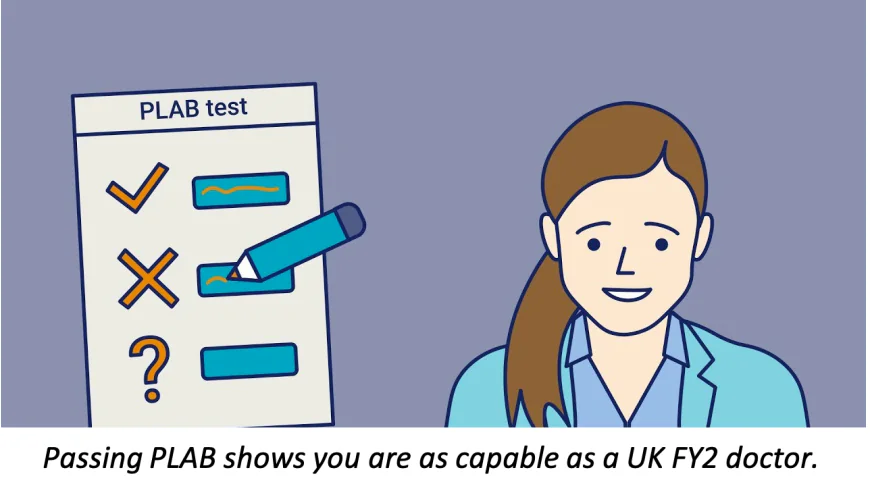
The PLAB UK medical exam is a crucial step for international medical graduates (IMGs) seeking to practice medicine in the United Kingdom. It’s designed to assess your knowledge, clinical reasoning, and professional abilities in real-world situations. For many IMGs, this exam represents a significant challenge, but with the right preparation strategy, success is achievable.
In this article, we will guide you through a step-by-step approach to preparing for the PLAB UK medical exam. From understanding the exam structure to practicing with a PLAB UK mock exam, each stage of preparation is designed to build your confidence and ensure you're fully prepared for the challenges of the test.
Step 1: Understand the PLAB UK Medical Exam Structure
Before diving into your preparation, it's important to fully understand the structure of the PLAB UK medical exam. The exam consists of two parts:
- PLAB 1: This is a multiple-choice exam that tests your theoretical knowledge in various areas of medicine. It consists of 180 questions, covering clinical practice, ethics, professional conduct, and medical sciences. The questions are scenario-based, testing your ability to apply knowledge in real-world situations.
- PLAB 2: This part is a practical Objective Structured Clinical Examination (OSCE) that tests your clinical skills in simulated environments. You will be asked to perform tasks like patient consultations, history-taking, diagnosis, and treatment planning. The focus is on how you communicate with patients and colleagues, as well as your clinical reasoning and professionalism.
Understanding the structure of the exam will help you create a targeted study plan. Focus on mastering both theoretical knowledge for PLAB 1 and clinical skills for PLAB 2.
Step 2: Create a Study Plan
One of the keys to successful PLAB exam preparation is a structured study plan. With the wide range of topics to cover, it's easy to feel overwhelmed, but a detailed plan can help you stay on track.
- Assess Your Current Knowledge
Before starting your study plan, take stock of your existing knowledge. Identify your strong areas and the subjects that need more attention. If you have clinical experience, you may already have a good grasp of many topics. However, you may need to brush up on medical theory, guidelines, or specific clinical scenarios covered in the PLAB exam. - Break Down the Syllabus
The PLAB UK medical exam covers a broad range of medical disciplines. Create a schedule that breaks the material into smaller, manageable sections. For example: - Week 1-2: Cardiology and Respiratory Medicine
- Week 3-4: Pediatrics and Obstetrics
- Week 5-6: Surgery and Internal Medicine
Allocate enough time for each topic, giving extra time to subjects you find more challenging.
- Incorporate Both Theory and Practical Skills
While PLAB 1 focuses on theoretical knowledge, PLAB 2 is more practical. Ensure that your study plan includes both theoretical reading and practical skills training. It’s important to practice clinical skills such as taking patient histories, performing physical examinations, and interpreting test results, even if you're focusing more on PLAB 1 initially.
Step 3: Use High-Quality Resources
For effective preparation, it’s crucial to use high-quality study materials. Here are some key resources for both PLAB 1 and PLAB 2:
- Books and Study Guides
There are several books and guides available for PLAB UK medical exam preparation. Popular ones include PLAB 1: A Complete Guide and Oxford Handbook of Clinical Medicine. These books are well-regarded for their comprehensive content and up-to-date medical information. - Online Resources and Question Banks
Using online resources can significantly enhance your preparation. Many websites offer PLAB UK mock exams and practice questions designed to simulate the actual exam format. These practice exams help you get a feel for the questions and timing you’ll encounter on test day. A PLAB UK mock exam is one of the best ways to familiarize yourself with the type of questions asked, improve your speed, and identify areas that need more focus. - Clinical Skills Practice
For PLAB 2, it's crucial to practice your clinical skills regularly. You can do this by joining study groups or attending clinical skills workshops. Simulate real patient interactions, practice taking histories, and refine your diagnostic skills. Practicing with colleagues or mentors can be immensely helpful in preparing for the OSCE stations.
Step 4: Take Mock Exams and Practice Questions
Practice makes perfect, and this is especially true for the PLAB UK medical exam. Taking PLAB UK mock exams is one of the most effective ways to prepare. Here’s why mock exams are essential:
- Familiarize Yourself with the Exam Format
The PLAB UK mock exam replicates the structure of the real exam. By practicing with mock exams, you can familiarize yourself with the types of questions you’ll encounter in PLAB 1 and the format of clinical stations in PLAB 2. This familiarity will help you feel more confident and comfortable when it's time for the real exam. - Test Your Knowledge and Improve Speed
Mock exams are an excellent way to gauge your progress and identify knowledge gaps. Taking these practice exams under timed conditions will help you develop time management skills and ensure that you can complete all questions within the allotted time frame. - Receive Instant Feedback
Most PLAB UK mock exams provide immediate feedback, explaining why certain answers are correct or incorrect. This instant feedback allows you to learn from your mistakes, improve your understanding, and reinforce your knowledge.
Step 5: Focus on Communication Skills
While theoretical knowledge is essential for PLAB 1, PLAB 2 places a heavy emphasis on communication and professional behavior. It’s vital to work on your ability to communicate clearly, empathize with patients, and demonstrate professionalism.
- Role-Playing and Communication Drills
Engage in role-playing with peers or mentors, practicing common patient interactions such as delivering bad news, explaining diagnoses, or discussing treatment options. These drills will help you become more comfortable in these situations, ensuring that you remain calm and confident during the exam. - Study Professionalism and Ethics
Make sure to cover topics such as medical ethics, patient confidentiality, and professionalism. These areas are frequently tested in PLAB 1 and PLAB 2.
Step 6: Stay Consistent and Review Regularly
Consistency is key when preparing for the PLAB UK medical exam. Set aside time each day for study and review, and stick to your plan. In the weeks leading up to the exam, revisit challenging topics and continue taking PLAB UK mock exams to gauge your progress.
Step 7: Relax and Take Care of Yourself
The final step in your PLAB UK medical exam preparation is to ensure that you are mentally and physically ready. Exam preparation can be stressful, so it’s important to take care of your health. Ensure you get enough rest, eat well, and take breaks to avoid burnout.
Why Choose Plabcoach for PLAB UK Exam Preparation?
At Plabcoach, we understand how challenging the PLAB UK medical exam can be. That's why we offer tailored resources, including PLAB UK mock exams, practice questions, and expert guidance. Our PLAB UK mock exams simulate the actual exam environment, allowing you to practice in realistic conditions and track your progress.
With Plabcoach, you can be confident that you are receiving the best preparation tools to succeed in both PLAB 1 and PLAB 2. Our resources are designed to help you build confidence, master key concepts, and develop the clinical reasoning skills you need for success.