
Child Abuse Prevention: Ensuring a Safe School Environment for Every Child
Learn why child abuse prevention is important in schools, key warning signs to watch for, and practical strategies to create safe, supportive environments that protect children’s well-being.
 chrisholroyd01
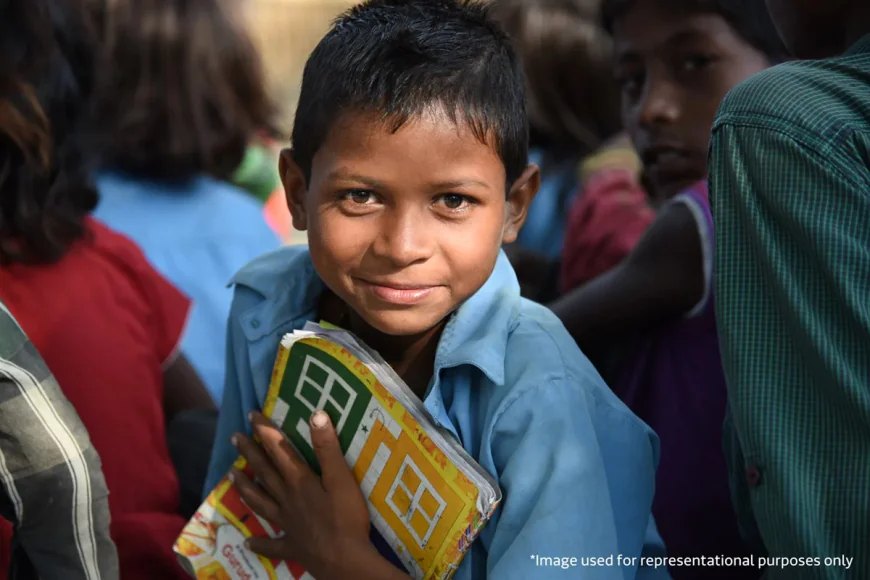
Child safety is one of the most critical responsibilities shared by families, schools, and communities. Child abuse prevention focuses on protecting children from physical, emotional, and sexual harm while creating environments where they feel secure and supported. Schools play a particularly important role because children spend a significant portion of their time there, making educational settings essential for identifying risks and promoting safety.
Organizations such as CRY America emphasize that prevention requires awareness, strong policies, and community participation. When schools and communities work together, they can significantly reduce the risk of abuse and support healthy child development.
What Is Child Abuse Prevention?
Child abuse prevention refers to strategies and actions designed to stop abuse before it happens and to protect children from harm. Prevention efforts focus on creating safe, stable, and nurturing environments that support children’s physical and emotional well-being. Research shows that providing stable and supportive relationships is one of the most effective ways to prevent abuse and reduce its long-term effects.
Prevention also involves educating children about personal safety, helping adults recognize warning signs, and establishing clear reporting systems. These measures ensure that children receive timely protection and support.
Why Child Abuse Prevention Is Important in Schools
Schools serve as a frontline defense against child abuse because teachers and staff interact with children daily. They are often the first to notice changes in behavior or signs of distress. Educational institutions have a responsibility to create safe learning environments, identify children at risk, and take appropriate action to protect them.
The consequences of failing to address abuse can be severe. Studies show that abuse can lead to long-term emotional, behavioral, and academic problems. In some cases, it can even cause children to drop out of school. A recent survey found that 38% of students left school due to various forms of abuse, highlighting the urgent need for prevention efforts.
Preventing abuse in schools therefore protects not only children’s safety but also their education and future opportunities.
Common Signs of Child Abuse
Recognizing early warning signs is essential for effective prevention. Children who experience abuse may show sudden changes in behavior, such as fear, withdrawal, or aggression. Physical signs like unexplained injuries or frequent illness can also indicate potential abuse.
Emotional symptoms may include anxiety, low self-esteem, or difficulty concentrating in school. While these signs do not always confirm abuse, they signal the need for careful observation and support from adults.
Practical Strategies for Child Abuse Prevention in Schools
Effective child abuse prevention requires structured policies and consistent action. Schools can implement several proven measures to create safer environments.
One key strategy is staff training. Teachers and school personnel must learn how to identify signs of abuse and respond appropriately. Another important step is establishing clear reporting procedures that ensure suspected abuse is reported quickly and handled responsibly.
Creating a supportive school culture also plays a major role. Research shows that comprehensive prevention programs improve awareness among teachers and strengthen overall school safety.
Other practical measures include:
- Implementing anti-bullying and child protection policies
- Providing counseling and emotional support services
- Educating students about personal safety and boundaries
- Encouraging open communication between parents and teachers
These strategies help build trust and reduce the risk of harm.
Role of Parents and Communities in Preventing Child Abuse
Child protection is not limited to schools. Families and communities must work together to create safe environments for children. Parents can support prevention by maintaining open communication, monitoring children’s activities, and teaching them about safe and unsafe situations.
Community awareness campaigns also play a critical role. Experts emphasize that everyone — including educators, healthcare workers, and local leaders — shares responsibility for protecting children from abuse.
When communities stay informed and vigilant, children are more likely to receive timely help and protection.
How Organizations Like CRY America Support Child Abuse Prevention
Organizations such as CRY America contribute to prevention by promoting child rights, strengthening school safety programs, and raising awareness about abuse. Their initiatives often include training teachers, supporting child protection policies, and educating families about safeguarding practices.
These programs focus on long-term solutions that empower communities to protect children and create safer learning environments.
Conclusion
Child abuse prevention is essential for ensuring that children grow up in safe, supportive environments where they can learn and thrive. Schools, families, and communities all play vital roles in recognizing risks and taking action to protect children. By strengthening awareness, improving policies, and encouraging collaboration, society can significantly reduce the risk of abuse and build a safer future for every child.