
How to Fix Deep Scratches in Bamboo Flooring Without Replacing the Plank
Bamboo flooring is frequently praised for its resilience and sustainable profile. It provides a clean, modern aesthetic that rivals traditional hardwoods while offering a unique grain structure.
 bothbest
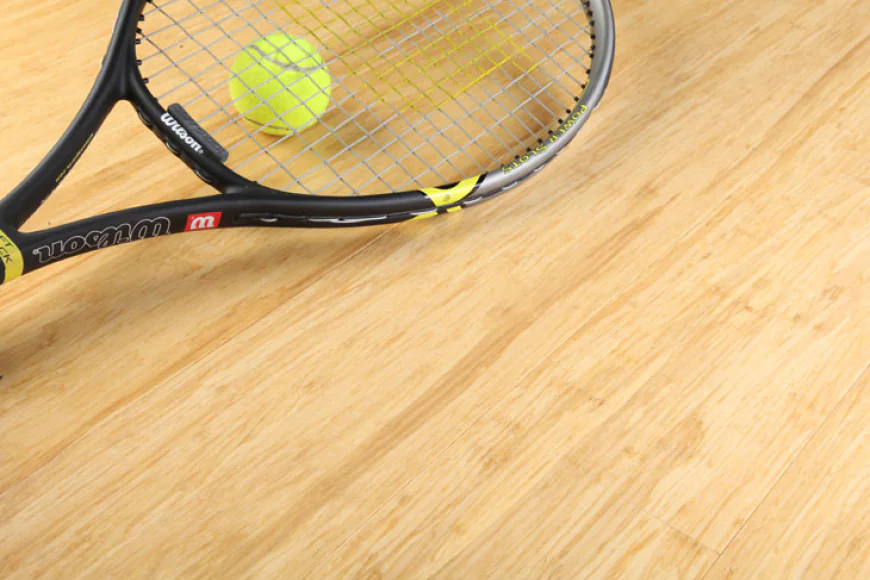
Bamboo flooring is frequently praised for its resilience and sustainable profile. It provides a clean, modern aesthetic that rivals traditional hardwoods while offering a unique grain structure. However, even the toughest strand-woven bamboo is not invincible. High-traffic households eventually face the inevitable: a deep scratch. Whether it was caused by dragging a heavy piece of furniture, a sharp object dropped from a height, or a pet’s sudden burst of energy, a deep gouge can feel like a permanent scar on an otherwise pristine surface.
The immediate instinct for many homeowners is to call a professional or look up how to pull up and replace the damaged plank. While replacement is an option, it is often a labor-intensive process that can compromise the integrity of the surrounding floorboards, especially with click-lock systems. For most deep scratches, a focused, methodical repair can restore the floor to near-original condition. By understanding the material and using the right techniques, you can fix these imperfections yourself.
Identifying the Type of Bamboo Flooring
Before picking up a tool, you must understand the specific type of bamboo under your feet. The repair process for a deep gouge varies significantly depending on how the flooring was manufactured.
Strand-Woven Bamboo
This is the most common variety in modern homes. It is created by shredding bamboo stalks into fibers, mixing them with resins, and compressing them under immense heat and pressure. The result is a material that is incredibly dense—often twice as hard as oak on the Janka scale. Because of this density, strand-woven bamboo does not "take" stains or fillers in the same way traditional wood does. It requires products with high adhesive properties.
Horizontal and Vertical Bamboo
These traditional styles are made by gluing solid bamboo strips together. Horizontal bamboo shows the "knuckles" or nodes of the bamboo stalk, while vertical bamboo offers a linear, striped appearance. These are generally softer than strand-woven varieties. They behave more like traditional hardwood, meaning they are slightly more porous and easier to sand, but they are also more prone to deep indentations.
Engineered Bamboo
Engineered planks consist of a thin veneer of bamboo bonded to a plywood or high-density fiberboard (HDF) core. When dealing with deep scratches on engineered bamboo, you must be extremely careful. If the scratch is deep enough to penetrate the veneer and reveal the core material, the repair becomes more about "rebuilding" the surface rather than just filling a cosmetic gap.
Necessary Tools and Preparation
A professional-grade repair requires more than just a tube of generic wood putty. To achieve a seamless look, you will need a kit tailored to the specific challenges of bamboo’s grain and finish.
-
Mineral Spirits and Microfiber Cloths: For cleaning the area without leaving a residue.
-
Painter’s Tape: To protect the surrounding healthy planks.
-
Plastic Putty Knife: Metal knives can cause secondary scratches if you aren't careful.
-
Wood Filler or Hard Wax Kits: Specifically formulated for flooring.
-
Fine-Grit Sandpaper: 220-grit and 320-grit are standard for finishing.
-
Graining Pens: To mimic the natural dark and light streaks of the bamboo.
-
Matching Finish: A small bottle of polyurethane or the manufacturer’s recommended touch-up coating.
Preparation is the most overlooked step. You cannot apply filler to a dusty or oily surface and expect it to hold for years. Start by vacuuming the scratch to remove any loose splinters. Wipe the area with a cloth dampened with mineral spirits. This removes any wax or floor polish that might prevent the filler from bonding. Once the area is dry, apply painter’s tape around the perimeter of the scratch, leaving about a millimeter of space between the tape and the edge of the damage. This contains the mess and prevents you from accidentally sanding the finish of the undamaged boards.
Method 1: The Hard Wax Melt System
For deep scratches that do not compromise the structural stability of the floor but are visually jarring, a hard wax repair kit is often the best choice. Unlike soft wax sticks used for furniture, hard wax requires a heat source to melt the material into the gouge. Once it cools, it becomes nearly as hard as the bamboo itself.
Color Matching and Application
Bamboo is rarely a flat, uniform color. It contains ambers, tans, and sometimes carbonized browns. The secret to an invisible repair is "layering" colors. Most professional kits come with several wax blocks. You should start by melting a base color that matches the lightest tone in your floor.
Use the battery-operated melting tool to drip the wax into the scratch, overfilling it slightly. While the wax is still warm, you can take a darker wax block and "flick" small amounts into the base wax to mimic the grain patterns. This prevents the repair from looking like a solid, artificial blob.
Leveling the Surface
Once the wax has hardened—usually after a few minutes—use the leveling tool provided in the kit (or the edge of a plastic credit card) to scrape away the excess. Work in short, decisive strokes. If the repair looks too smooth compared to the surrounding texture, you can lightly "distress" the wax with a toothpick to match the natural grain of the bamboo.
Method 2: High-Performance Wood Fillers
If the scratch is more of a structural gouge—meaning a chunk of the bamboo has actually been removed—you need a material that cures into a solid, sandable mass.
Selecting the Right Filler
Avoid water-based fillers for deep bamboo repairs. They tend to shrink as they dry, which leads to cracks or the filler popping out of the hole after a few months of foot traffic. Solvent-based fillers or two-part epoxy fillers are much more durable.
Apply the filler using a flexible putty knife. Press the material firmly into the scratch to ensure there are no air pockets at the bottom. Like the wax method, overfill the area slightly. Bamboo expands and contracts with humidity, so a dense, well-seated filler is vital for a long-term fix.
The Sanding Process
Wait for the filler to dry completely. This might take several hours or even a full day depending on the depth of the gouge. Once dry, use 220-grit sandpaper to level the filler with the floor. Sand only in the direction of the grain. If you have used painter's tape, you can sand with confidence. Once the filler is level, switch to 320-grit sandpaper to smooth out any micro-scratches left by the coarser paper.
At this stage, the filler will likely look like a flat, dull tan or brown spot. This is where the graining pen comes in. Use the pen to draw thin, irregular lines across the filler, connecting the grain patterns from one side of the scratch to the other. This optical illusion is what makes the repair disappear when viewed from a standing position.
Restoring the Sheen and Protection
A repair is not finished until the sheen matches the rest of the floor. Most bamboo floors have a factory-applied finish, often a UV-cured urethane with aluminum oxide for durability. Matching this in a home environment is the hardest part of the process.
Understanding Gloss Levels
Floor finishes come in matte, satin, semi-gloss, and high-gloss. If you apply a high-gloss touch-up to a matte floor, the "fix" will stand out more than the original scratch did. If you are unsure of the gloss level, start with a satin finish. You can always add a second coat to increase the shine, but it is much harder to dull a finish once it is applied.
The "Halo" Effect
When applying the topcoat, avoid using a large brush. A small, fine-tipped artist’s brush or even a cotton swab is better for localized repairs. Apply a very thin layer over the repaired area. To avoid a "halo"—a visible ring where the new finish meets the old—feather the edges. This means thinning out the finish as you move away from the center of the repair so there is no hard line.
Addressing the Unique Challenges of Carbonized Bamboo
Carbonized bamboo is a popular choice for its deep, rich coffee tones. However, this color is achieved by "pressure cooking" the bamboo, which carmelizes the natural sugars. This process makes the bamboo softer and more brittle than its natural-colored counterparts.
When repairing carbonized bamboo, the material around the scratch may be prone to splintering. If you notice small fibers lifting up around the gouge, do not pull them. Instead, use a very sharp utility knife to carefully trim the splinters before starting your repair. Because carbonized bamboo is darker, any sanding you do will create a light-colored dust that can get trapped in the pores of the floor. Always use a vacuum and a tack cloth to ensure every bit of dust is removed before applying your final topcoat, or the repair will look cloudy.
Long-Term Maintenance and Prevention
Once you have successfully repaired the deep scratches, the focus shifts to preventing a recurrence. Bamboo is durable, but its finish is susceptible to abrasive wear.
Protective Measures
The most common source of deep scratches is furniture movement. Felt pads are a non-negotiable requirement for every chair, table, and sofa leg. However, these pads collect grit over time, which can turn them into sandpaper. Replace your felt pads every six months to ensure they remain soft.
For high-traffic entryways, use breathable rugs. Avoid rugs with rubber or latex backing, as these can trap moisture and gasses that may discolor the bamboo finish over time. Natural fiber pads are a safer bet for maintaining the health of the floor.
Cleaning Habits
Dust and grit act as abrasives underfoot. Regular sweeping or vacuuming with a hard-floor attachment (no beater bars) is the best defense. When mopping, use a damp—not wet—microfiber mop. Excessive water is the enemy of bamboo, as it can seep into the repair sites or the seams between planks, causing swelling that will ruin your hard work.
Why DIY Repair Beats Replacement
Choosing to repair rather than replace has several advantages. Beyond the obvious cost savings, you preserve the original installation. Replacing a single plank in a bamboo floor often requires "sacrificing" the tongue or groove of the new board to get it to fit into the existing space. This creates a weak spot in the floor that may eventually creak or gap.
Furthermore, bamboo is a natural product. Even if you have leftover planks from the original installation, the color of the floor currently in your home has likely shifted slightly due to sunlight exposure. A brand-new plank might stand out just as much as a scratch would. By repairing the existing plank, you ensure that the color and aging process remain consistent across the entire surface.
Fixing a deep scratch requires patience and a steady hand, but the results are incredibly rewarding. With the right materials and a bit of artistic blending, those deep gouges can be relegated to the past, leaving you with a floor that looks as though the damage never happened. This approach maintains the character of your home while reinforcing the longevity of one of the most beautiful flooring materials available.