Winter Fabric Buying Guide: Khaddar vs Linen vs Dhanak vs Marina: What to Check Before Buying in Pakistan
Buying winter suits in Pakistan? Compare khaddar, linen, dhanak, marina, karandi and velvet, warmth, price, and what to check before you buy online.
 MuseBrandly
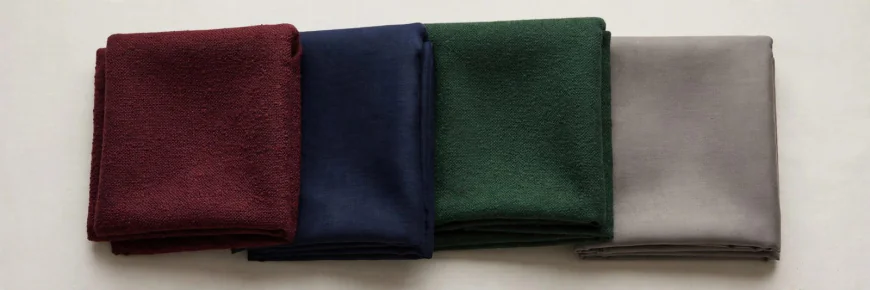
Every October, Pakistani markets do the same switch: the lawn racks come down, winter collections go up, and shoppers face a wall of half-familiar names: khaddar, dhanak, marina, karandi, plus linen and velvet. The prints are prettier than ever, the prices look fair, and most buyers do what they've always done: pick the prettiest design and hope the fabric cooperates.
That's a riskier bet in winter. A disappointing lawn suit is a minor annoyance. A winter suit in the wrong fabric sits unworn in your cupboard from December to February. Too cold to wear, too new to give away. In winter, the fabric is the purchase; the print is just the packaging. (One note first: Pakistani winter fabric names describe a weight class and texture more than an exact fibre. "Linen" usually means a linen-texture viscose, "marina" an acrylic-viscose blend. That's normal market convention, not a scam. Judge the cloth in your hands, not the word on the label.)
This winter fabric buying guide won't rank brands. It breaks down the six fabrics you'll actually find in Pakistani winter collections, compares them honestly, and gives you the checks that separate a good winter buy from an expensive mistake, bazaar or online.
The short version
If you're in a hurry, here's the whole guide in six lines:
- Khaddar is the safest winter pick. Warm, breathable, affordable, and hard to get wrong. The default for daily winter wear.
- Linen is for mild winter, not deep cold. Soft and elegant, but lighter than khaddar. Best for Karachi winters, heated offices, and the early season.
- Dhanak is linen's winter-weight cousin. Similar softness and comfort to linen, in a slightly heavier weave. It suits colder months.
- Marina is the smooth operator. A soft, smooth winter fabric (often an acrylic-viscose blend) with a neat drape. Good for office and semi-formal wear.
- Karandi and velvet are the occasion fabrics: karandi for structured, crisp looks; velvet for warmth and formality at winter events. Of everything in this guide, velvet is the warmest fabric.
- Check the fabric before the print. Weight, embroidery density, colorfastness, and unstitched measurements matter more than the design.
1. Khaddar: the winter default
If you buy one winter fabric without overthinking it, make it khaddar. It's Pakistan's most-worn winter fabric for good reason: warm without being stifling, breathable enough indoors, and famously affordable. Every winter, khaddar suits are among the season's top sellers.
The weave runs thicker than lawn (exactly what you want when temperatures drop) and it holds embroidery beautifully, so you'll find khaddar in printed everyday suits and embroidered semi-formal ones alike.
Warmth: High for its price. Genuine winter warmth.
Feel: Slightly textured, softens with washing, breathable.
Best use: Daily wear, office, casual outings, university.
Price tier: The most budget-friendly winter fabric.
Who it suits: Almost everyone. Building a winter wardrobe on a budget? Start here.
How to judge quality: Hold it to the light. You shouldn't see through it. Good khaddar feels substantial and even; thin, rough patches pill within weeks.
2. Linen: the mild-winter elegant
Linen has a devoted following in Pakistan, and winter collections wouldn't be complete without it. But here's what most sellers won't tell you: linen is a mild-winter fabric. Softer and lighter than khaddar, beautiful drape, refined look, ideal for Karachi winters, heated offices, and the early season. In a Murree January, it won't be enough on its own.
Brands release embroidered and printed linen suits every winter, and they sell well because linen photographs beautifully and feels premium. Just know what you're buying: elegance and comfort, not maximum insulation. Choosing between the two is simple: khaddar for warmth and budget, linen for softness and polish in mild weather.
Warmth: Medium. Comfortable in mild cold; layer it in deep winter.
Feel: Soft, smooth, natural lustre, drapes well.
Best use: Office, dinners, early-winter daily wear, mild-winter cities.
Price tier: Mid-range, usually a step above khaddar.
Who it suits: Shoppers who prioritise look and feel over maximum warmth.
How to judge quality: Good linen-texture cloth has a visible, even slub and a cool, smooth hand. A plasticky feel means cheap viscose that'll look tired fast. Embroidery shouldn't pucker the base.
3. Dhanak: linen's winter-weight cousin
Dhanak doesn't get talked about like khaddar or linen, but it belongs on every winter shopping list. Put simply, it's a soft, mid-weight winter fabric: linen's softness in a heavier, winter-ready weave. It solves a specific problem: you like linen's softness and clean look, but you need more substance for real winter weather.
In feel, dhanak sits close to linen (comparable softness, a slightly different weave), but it reads as a winter fabric in a way summer linen never does. Brands increasingly build 3-piece winter collections around it: dhanak shirts with marina trousers and printed shawls, comfortable daily winter wear with a polished finish. Khaddar or dhanak? Pick khaddar when warmth and price matter most; pick dhanak when you want linen-like softness with real winter weight.
Warmth: Medium-high. A genuine step up from linen on colder days.
Feel: Soft, smooth, linen-like hand, denser weave.
Best use: Daily winter wear, office, casual gatherings.
Price tier: Mid-range, roughly in line with linen.
Who it suits: Linen lovers who want the same comfort with more winter in it.
How to judge quality: The weave should look dense and uniform. Dhanak is often printed, so stretch it gently. If the print cracks, the processing is cheap and won't survive the season.
4. Marina: the smooth operator
Marina is the fabric people buy without quite knowing what it is, then keep buying. Put simply: a soft, smooth winter fabric, most commonly sold as an acrylic-and-viscose "wool marina" blend rather than pure wool. The blend is the point: signature smooth hand and easy care at a price pure wool could never touch.
It looks tidy for hours, resists the rumpled look of some winter cottons, and takes digital prints and embroidery cleanly. The strongest pick on this list for office and semi-formal wear. Dhanak or marina? Both sit in the same mid-range and both work for daily winter wear. Dhanak leans casual and cosy, marina leans smooth and formal.
Warmth: Medium-high. Solid winter weight without bulk.
Feel: Smooth, soft, fluid drape; the least "rustic" of the everyday winter fabrics.
Best use: Office, semi-formal events, winter warmth with a polished finish.
Price tier: Mid-range.
Who it suits: Working women, and anyone whose winter wardrobe needs to look sharp.
How to judge quality: Stroke it against the grain. Good marina springs back; cheap marina stays ruffled and pills at friction points within weeks.
5. Karandi: structure and crispness
Karandi is the outlier here, and that's its appeal. Where the others drape, karandi holds: a crisp, structured hand that gives suits a tailored, architectural look. That's why it shows up in fashion-forward winter collections rather than everyday racks.
This is the fabric you choose when you want the suit to look deliberate. Less about cosiness, more about silhouette. The winter equivalent of picking a blazer over a cardigan. It won't be your warmest or softest, but nothing else here gives you that crisp line. Karandi or khaddar? Khaddar keeps you warmer for less money; karandi buys you structure and a tailored look. Different jobs.
Warmth: Medium. Winter-appropriate, but buy it for the look, not the insulation.
Feel: Crisp, structured, holds its shape.
Best use: Statement winter outfits, festive day events, fashion-forward daily wear.
Price tier: Mid to upper-mid.
Who it suits: Shoppers who care about silhouette; not the pick for pure comfort.
How to judge quality: Fold and release. Good karandi holds a soft crease briefly, then relaxes. Limp karandi won't keep its structure through a day.
6. Velvet: warmth meets occasion
Velvet is winter's formal fabric and doesn't pretend otherwise. Plush, dense, natural sheen. The warmest fabric in this guide, and the most demanding. A velvet suit is a statement for winter weddings, festive evenings, formal dinners.
It holds heavy embroidery better than anything else on this list, which is why festive designers reach for it every season. But it's heavy, needs structured cuts, and demands proper care. Not a throw-in-with-the-weekly-wash fabric. Don't buy velvet for daily wear; buy it for the events that deserve it.
Warmth: Very high.
Feel: Plush, dense, rich texture with a natural sheen.
Best use: Winter weddings, festive occasions, formal evenings.
Price tier: Upper-mid to premium.
Who it suits: Anyone dressing for a winter event where the outfit does the talking.
How to judge quality: Brush the pile both ways: good velvet shows an even colour shift with no bald or crushed patches, and springs back when pressed. A sturdy backing keeps the shape.
The comparison, at a glance
| Fabric | Warmth | Weight/feel | Best for | Care effort | Rough price tier |
|---|---|---|---|---|---|
| Khaddar | High | Textured, breathable | Daily winter wear | Easy | Budget |
| Linen | Medium | Soft, light, elegant | Mild winter, office | Easy | Mid |
| Dhanak | Medium-high | Soft, denser weave | Daily winter wear | Easy | Mid |
| Marina | Medium-high | Smooth, fluid drape | Office, semi-formal | Easy | Mid |
| Karandi | Medium | Crisp, structured | Statement looks | Moderate | Mid to upper |
| Velvet | Very high | Plush, heavy | Weddings, formal | High | Upper |
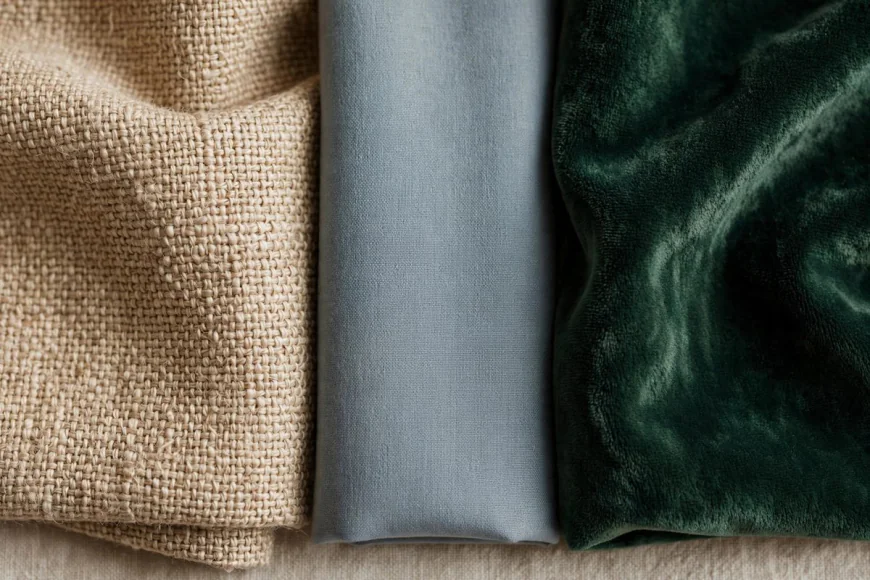
Price tiers are rough guides for unstitched 3-piece suits. On Brandly, verified embroidered 3-piece listings currently run from about PKR 3,269 to PKR 5,570, which maps to the budget-to-mid range above.
Khaddar vs linen, dhanak vs marina: the quick matchups
Still deciding which winter fabric suits Pakistan's cold season best? The head-to-head answers:
Khaddar vs linen: khaddar is warmer and easier on the wallet; linen is softer and more elegant. Cold city or tight budget: khaddar. Mild winter or office wear: linen.
Khaddar vs dhanak: khaddar wins on warmth and price; dhanak wins on softness and finish. Rough daily use: khaddar. Dressier everyday wear: dhanak.
Dhanak vs marina fabric: both sit in the same mid-range and both work for daily winter wear. Dhanak leans casual and cosy; marina leans smooth and formal.
Karandi vs khaddar: not really a contest. Khaddar for warmth on a budget, karandi when you want structure and a statement look.
What to check when buying winter suits online in Pakistan
You can't touch the cloth online, so verify what you're getting. The checklist:
- Read the fabric name, then read past it. "Linen" usually means a linen-texture viscose and "marina" is usually a blend. That's normal market convention. What matters is whether the listing is honest about weight and composition. A listing that says nothing about the fabric beyond its name is telling you something about the seller.
- Check the cuttings and measurements. Unstitched suits should list shirt, trouser and dupatta/shawl measurements; most run 2.5 metres or more per piece. Missing or vague measurements often mean short cutting, one of the most common complaints about online unstitched purchases.
- Check the shawl and the embroidery separately. In winter collections, the shawl is often a different fabric from the shirt. Sometimes better, sometimes worse. Zoom into the product images: dense, even embroidery with clean edges signals quality; sparse stitching with visible gaps looks tired after two washes. One distant photo only? Be cautious about the seller.
- Ask about colorfastness for dark winter colours. Winter palettes run dark (maroon, black, navy, deep green), and dark dyes are the ones that bleed. Check the return policy before buying, and wash dark suits separately the first time, in cold water.
- Compare the price against the fabric's tier, and check the return policy first. If a "velvet" 3-piece is priced like budget khaddar, something is off; the table above is your reality check. A clear, usable return policy is worth more than a small discount. Winter suits cost more than lawn, and you want the option to send back a fabric that isn't what was promised.
- Inspect on delivery before the rider leaves. The most useful habit in Pakistani online shopping. Feel the fabric weight, look at the embroidery up close, confirm the measurements. Cash-on-delivery inspection is your fitting room. Use it.
Care cheat sheet
Winter fabrics punish careless washing more than summer ones. The short version:
- Khaddar, dhanak, linen: Machine wash gentle, cold water. They soften with age. That's a feature, not wear. Wash dark colours separately the first two times.
- Marina: Gentle wash, mild detergent; avoid high spin speeds to protect the smooth finish.
- Karandi: Wash gently, dry flat, don't wring. That's how it keeps its structure.
- Velvet: Dry clean is safest; at home, cold water only, no wringing, dry flat in shade.
- All winter fabrics: Dry in shade (sunlight fades winter dyes fast), iron on low heat or steam, store cool and dry.
Common mistakes Pakistani buyers make
- Buying the print, not the fabric. The design that caught your eye in October won't keep you warm in January. Check the fabric first, fall for the print second.
- Assuming "linen" means warm. Linen is elegant, not insulating. Match the fabric to your city's actual winter.
- Ignoring the shawl. A beautiful shirt with a thin, cheap shawl is half a winter suit. Check both pieces.
- Skipping the measurement check. Unstitched doesn't mean one-size-fits-all. Verify the cuttings before you pay.
- Washing velvet like khaddar. One hot wash can ruin a velvet suit. Read the care label. It matters.
Where to shop for winter suits online in Pakistan
Once you know your fabric and your checks, browse with this guide open. On Brandly, the Embroidered Suits, Winter Wear and Unstitched Fabric categories carry winter suits from emerging Pakistani sellers. One worked example: the purple dhanak 3-piece unstitched embroidered suit with digital-print dupatta at PKR 5,545. Run it against the checks: dhanak for genuine winter weight, that's a pass; embroidered and semi-formal ready, pass; unstitched with full cuttings to verify, pass; mid-range for its fabric tier, pass.
Whatever you choose: buy from a seller with a clear return policy, inspect the fabric on delivery, and wash dark colours separately the first time. Keep this winter fabric buying guide handy: a good winter suit should last you several winters, not one.
Every October, Pakistani markets do the same switch: the lawn racks come down, winter collections go up, and shoppers face a wall of half-familiar names: khaddar, dhanak, marina, karandi, plus linen and velvet. The prints are prettier than ever, the prices look fair, and most buyers do what they've always done: pick the prettiest design and hope the fabric cooperates.
Every October, Pakistani markets do the same switch: the lawn racks come down, winter collections go up, and shoppers face a wall of half-familiar names: khaddar, dhanak, marina, karandi, plus linen and velvet. The prints are prettier than ever, the prices look fair, and most buyers do what they've always done: pick the prettiest design and hope the fabric cooperates.
That's a riskier bet in winter. A disappointing lawn suit is a minor annoyance. A winter suit in the wrong fabric sits unworn in your cupboard from December to February. Too cold to wear, too new to give away. In winter, the fabric is the purchase; the print is just the packaging. (One note first: Pakistani winter fabric names describe a weight class and texture more than an exact fibre. "Linen" usually means a linen-texture viscose, "marina" an acrylic-viscose blend. That's normal market convention, not a scam. Judge the cloth in your hands, not the word on the label.)
That's a riskier bet in winter. A disappointing lawn suit is a minor annoyance. A winter suit in the wrong fabric sits unworn in your cupboard from December to February. Too cold to wear, too new to give away. In winter, the fabric is the purchase; the print is just the packaging. (One note first: Pakistani winter fabric names describe a weight class and texture more than an exact fibre. "Linen" usually means a linen-texture viscose, "marina" an acrylic-viscose blend. That's normal market convention, not a scam. Judge the cloth in your hands, not the word on the label.)
This winter fabric buying guide won't rank brands. It breaks down the six fabrics you'll actually find in Pakistani winter collections, compares them honestly, and gives you the checks that separate a good winter buy from an expensive mistake, bazaar or online.
This winter fabric buying guide won't rank brands. It breaks down the six fabrics you'll actually find in Pakistani winter collections, compares them honestly, and gives you the checks that separate a good winter buy from an expensive mistake, bazaar or online.
The short version
If you're in a hurry, here's the whole guide in six lines:
- Khaddar is the safest winter pick. Warm, breathable, affordable, and hard to get wrong. The default for daily winter wear.
- Linen is for mild winter, not deep cold. Soft and elegant, but lighter than khaddar. Best for Karachi winters, heated offices, and the early season.
- Linen is for mild winter, not deep cold. Soft and elegant, but lighter than khaddar. Best for Karachi winters, heated offices, and the early season.
- Dhanak is linen's winter-weight cousin. Similar softness and comfort to linen, in a slightly heavier weave. It suits colder months.
- Marina is the smooth operator. A soft, smooth winter fabric (often an acrylic-viscose blend) with a neat drape. Good for office and semi-formal wear.
- Marina is the smooth operator. A soft, smooth winter fabric (often an acrylic-viscose blend) with a neat drape. Good for office and semi- formal wear.
- Karandi and velvet are the occasion fabrics: karandi for structured, crisp looks; velvet for warmth and formality at winter events. Of everything in this guide, velvet is the warmest fabric.
- Karandi and velvet are the occasion fabrics: karandi for structured, crisp looks; velvet for warmth and formality at winter events. Of everything in this guide, velvet is the warmest fabric.
- Check the fabric before the print. Weight, embroidery density, colorfastness, and unstitched measurements matter more than the design.
- Check the fabric before the print. Weight, embroidery density, colorfastness, and unstitched measurements matter more than the design.
1. Khaddar: the winter default
If you buy one winter fabric without overthinking it, make it khaddar. It's Pakistan's most-worn winter fabric for good reason: warm without being stifling, breathable enough indoors, and famously affordable. Every winter, khaddar suits are among the season's top sellers.
If you buy one winter fabric without overthinking it, make it khaddar. It's Pakistan's most-worn winter fabric for good reason: warm without being stifling, breathable enough indoors, and famously affordable. Every winter, khaddar suits are among the season's top sellers.
The weave runs thicker than lawn (exactly what you want when temperatures drop) and it holds embroidery beautifully, so you'll find khaddar in printed everyday suits and embroidered semi-formal ones alike.
The weave runs thicker than lawn (exactly what you want when temperatures drop) and it holds embroidery beautifully, so you'll find khaddar in printed everyday suits and embroidered semi-formal ones alike.
Warmth: High for its price. Genuine winter warmth.
Feel: Slightly textured, softens with washing, breathable.
Best use: Daily wear, office, casual outings, university.
Price tier: The most budget-friendly winter fabric.
Who it suits: Almost everyone. Building a winter wardrobe on a budget? Start here.
Warmth: High for its price. Genuine winter warmth.
Feel: Slightly textured, softens with washing, breathable.
Best use: Daily wear, office, casual outings, university.
Price tier: The most budget-friendly winter fabric.
Who it suits: Almost everyone. Building a winter wardrobe on a budget? Start here.
How to judge quality: Hold it to the light. You shouldn't see through it. Good khaddar feels substantial and even; thin, rough patches pill within weeks.
How to judge quality: Hold it to the light. You shouldn't see through it. Good khaddar feels substantial and even; thin, rough patches pill within weeks.
2. Linen: the mild-winter elegant
Linen has a devoted following in Pakistan, and winter collections wouldn't be complete without it. But here's what most sellers won't tell you: linen is a mild-winter fabric. Softer and lighter than khaddar, beautiful drape, refined look, ideal for Karachi winters, heated offices, and the early season. In a Murree January, it won't be enough on its own.
Linen has a devoted following in Pakistan, and winter collections wouldn't be complete without it. But here's what most sellers won't tell you: linen is a mild-winter fabric. Softer and lighter than khaddar, beautiful drape, refined look, ideal for Karachi winters, heated offices, and the early season. In a Murree January, it won't be enough on its own.
Brands release embroidered and printed linen suits every winter, and they sell well because linen photographs beautifully and feels premium. Just know what you're buying: elegance and comfort, not maximum insulation. Choosing between the two is simple: khaddar for warmth and budget, linen for softness and polish in mild weather.
Brands release embroidered and printed linen suits every winter, and they sell well because linen photographs beautifully and feels premium. Just know what you're buying: elegance and comfort, not maximum insulation. Choosing between the two is simple: khaddar for warmth and budget, linen for softness and polish in mild weather.
Warmth: Medium. Comfortable in mild cold; layer it in deep winter.
Feel: Soft, smooth, natural lustre, drapes well.
Best use: Office, dinners, early-winter daily wear, mild-winter cities.
Price tier: Mid-range, usually a step above khaddar.
Who it suits: Shoppers who prioritise look and feel over maximum warmth.
Warmth: Medium. Comfortable in mild cold; layer it in deep winter.
Feel: Soft, smooth, natural lustre, drapes well.
Best use: Office, dinners, early-winter daily wear, mild-winter cities.
Price tier: Mid-range, usually a step above khaddar.
Who it suits: Shoppers who prioritise look and feel over maximum warmth.
How to judge quality: Good linen-texture cloth has a visible, even slub and a cool, smooth hand. A plasticky feel means cheap viscose that'll look tired fast. Embroidery shouldn't pucker the base.
How to judge quality: Good linen-texture cloth has a visible, even slub and a cool, smooth hand. A plasticky feel means cheap viscose that'll look tired fast. Embroidery shouldn't pucker the base.
3. Dhanak: linen's winter-weight cousin
Dhanak doesn't get talked about like khaddar or linen, but it belongs on every winter shopping list. Put simply, it's a soft, mid-weight winter fabric: linen's softness in a heavier, winter-ready weave. It solves a specific problem: you like linen's softness and clean look, but you need more substance for real winter weather.
Dhanak doesn't get talked about like khaddar or linen, but it belongs on every winter shopping list. Put simply, it's a soft, mid-weight winter fabric: linen's softness in a heavier, winter-ready weave. It solves a specific problem: you like linen's softness and clean look, but you need more substance for real winter weather.
In feel, dhanak sits close to linen (comparable softness, a slightly different weave), but it reads as a winter fabric in a way summer linen never does. Brands increasingly build 3-piece winter collections around it: dhanak shirts with marina trousers and printed shawls, comfortable daily winter wear with a polished finish. Khaddar or dhanak? Pick khaddar when warmth and price matter most; pick dhanak when you want linen-like softness with real winter weight.
In feel, dhanak sits close to linen (comparable softness, a slightly different weave), but it reads as a winter fabric in a way summer linen never does. Brands increasingly build 3-piece winter collections around it: dhanak shirts with marina trousers and printed shawls, comfortable daily winter wear with a polished finish. Khaddar or dhanak? Pick khaddar when warmth and price matter most; pick dhanak when you want linen-like softness with real winter weight.
Warmth: Medium-high. A genuine step up from linen on colder days.
Feel: Soft, smooth, linen-like hand, denser weave.
Best use: Daily winter wear, office, casual gatherings.
Price tier: Mid-range, roughly in line with linen.
Who it suits: Linen lovers who want the same comfort with more winter in it.
Warmth: Medium-high. A genuine step up from linen on colder days.
Feel: Soft, smooth, linen-like hand, denser weave.
Best use: Daily winter wear, office, casual gatherings.
Price tier: Mid-range, roughly in line with linen.
Who it suits: Linen lovers who want the same comfort with more winter in it.
How to judge quality: The weave should look dense and uniform. Dhanak is often printed, so stretch it gently. If the print cracks, the processing is cheap and won't survive the season.
How to judge quality: The weave should look dense and uniform. Dhanak is often printed, so stretch it gently. If the print cracks, the processing is cheap and won't survive the season.
4. Marina: the smooth operator
Marina is the fabric people buy without quite knowing what it is, then keep buying. Put simply: a soft, smooth winter fabric, most commonly sold as an acrylic-and-viscose "wool marina" blend rather than pure wool. The blend is the point: signature smooth hand and easy care at a price pure wool could never touch.
Marina is the fabric people buy without quite knowing what it is, then keep buying. Put simply: a soft, smooth winter fabric, most commonly sold as an acrylic-and-viscose "wool marina" blend rather than pure wool. The blend is the point: signature smooth hand and easy care at a price pure wool could never touch.
It looks tidy for hours, resists the rumpled look of some winter cottons, and takes digital prints and embroidery cleanly. The strongest pick on this list for office and semi-formal wear. Dhanak or marina? Both sit in the same mid-range and both work for daily winter wear. Dhanak leans casual and cosy, marina leans smooth and formal.
It looks tidy for hours, resists the rumpled look of some winter cottons, and takes digital prints and embroidery cleanly. The strongest pick on this list for office and semi-formal wear. Dhanak or marina? Both sit in the same mid-range and both work for daily winter wear. Dhanak leans casual and cosy, marina leans smooth and formal.
Warmth: Medium-high. Solid winter weight without bulk.
Feel: Smooth, soft, fluid drape; the least "rustic" of the everyday winter fabrics.
Best use: Office, semi-formal events, winter warmth with a polished finish.
Price tier: Mid-range.
Who it suits: Working women, and anyone whose winter wardrobe needs to look sharp.
Warmth: Medium-high. Solid winter weight without bulk.
Feel: Smooth, soft, fluid drape; the least "rustic" of the everyday winter fabrics.
Best use: Office, semi-formal events, winter warmth with a polished finish.
Price tier: Mid- range.
Who it suits: Working women, and anyone whose winter wardrobe needs to look sharp.
How to judge quality: Stroke it against the grain. Good marina springs back; cheap marina stays ruffled and pills at friction points within weeks.
How to judge quality: Stroke it against the grain. Good marina springs back; cheap marina stays ruffled and pills at friction points within weeks.
5. Karandi: structure and crispness
Karandi is the outlier here, and that's its appeal. Where the others drape, karandi holds: a crisp, structured hand that gives suits a tailored, architectural look. That's why it shows up in fashion-forward winter collections rather than everyday racks.
Karandi is the outlier here, and that's its appeal. Where the others drape, karandi holds: a crisp, structured hand that gives suits a tailored, architectural look. That's why it shows up in fashion-forward winter collections rather than everyday racks.
This is the fabric you choose when you want the suit to look deliberate. Less about cosiness, more about silhouette. The winter equivalent of picking a blazer over a cardigan. It won't be your warmest or softest, but nothing else here gives you that crisp line. Karandi or khaddar? Khaddar keeps you warmer for less money; karandi buys you structure and a tailored look. Different jobs.
This is the fabric you choose when you want the suit to look deliberate. Less about cosiness, more about silhouette. The winter equivalent of picking a blazer over a cardigan. It won't be your warmest or softest, but nothing else here gives you that crisp line. Karandi or khaddar? Khaddar keeps you warmer for less money; karandi buys you structure and a tailored look. Different jobs.
Warmth: Medium. Winter-appropriate, but buy it for the look, not the insulation.
Feel: Crisp, structured, holds its shape.
Best use: Statement winter outfits, festive day events, fashion-forward daily wear.
Price tier: Mid to upper-mid.
Who it suits: Shoppers who care about silhouette; not the pick for pure comfort.
Warmth: Medium. Winter-appropriate, but buy it for the look, not the insulation.
Feel: Crisp, structured, holds its shape.
Best use: Statement winter outfits, festive day events, fashion-forward daily wear.
Price tier: Mid to upper- mid.
Who it suits: Shoppers who care about silhouette; not the pick for pure comfort.
How to judge quality: Fold and release. Good karandi holds a soft crease briefly, then relaxes. Limp karandi won't keep its structure through a day.
How to judge quality: Fold and release. Good karandi holds a soft crease briefly, then relaxes. Limp karandi won't keep its structure through a day.
6. Velvet: warmth meets occasion
Velvet is winter's formal fabric and doesn't pretend otherwise. Plush, dense, natural sheen. The warmest fabric in this guide, and the most demanding. A velvet suit is a statement for winter weddings, festive evenings, formal dinners.
Velvet is winter's formal fabric and doesn't pretend otherwise. Plush, dense, natural sheen. The warmest fabric in this guide, and the most demanding. A velvet suit is a statement for winter weddings, festive evenings, formal dinners.
It holds heavy embroidery better than anything else on this list, which is why festive designers reach for it every season. But it's heavy, needs structured cuts, and demands proper care. Not a throw-in-with-the-weekly-wash fabric. Don't buy velvet for daily wear; buy it for the events that deserve it.
It holds heavy embroidery better than anything else on this list, which is why festive designers reach for it every season. But it's heavy, needs structured cuts, and demands proper care. Not a throw-in-with-the-weekly-wash fabric. Don't buy velvet for daily wear; buy it for the events that deserve it.
Warmth: Very high.
Feel: Plush, dense, rich texture with a natural sheen.
Best use: Winter weddings, festive occasions, formal evenings.
Price tier: Upper-mid to premium.
Who it suits: Anyone dressing for a winter event where the outfit does the talking.
Warmth: Very high.
Feel: Plush, dense, rich texture with a natural sheen.
Best use: Winter weddings, festive occasions, formal evenings.
Price tier: Upper-mid to premium.
Who it suits: Anyone dressing for a winter event where the outfit does the talking.
How to judge quality: Brush the pile both ways: good velvet shows an even colour shift with no bald or crushed patches, and springs back when pressed. A sturdy backing keeps the shape.
How to judge quality: Brush the pile both ways: good velvet shows an even colour shift with no bald or crushed patches, and springs back when pressed. A sturdy backing keeps the shape.
The comparison, at a glance
| Fabric | Warmth | Weight/feel | Best for | Care effort | Rough price tier |
|---|---|---|---|---|---|
| Khaddar | High | Textured, breathable | Daily winter wear | Easy | Budget |
| Linen | Medium | Soft, light, elegant | Mild winter, office | Easy | Mid |
| Dhanak | Medium-high | Soft, denser weave | Daily winter wear | Easy | Mid |
| Marina | Medium-high | Smooth, fluid drape | Office, semi-formal | Easy | Mid |
| Karandi | Medium | Crisp, structured | Statement looks | Moderate | Mid to upper |
| Velvet | Very high | Plush, heavy | Weddings, formal | High | Upper |
Price tiers are rough guides for unstitched 3-piece suits. On Brandly, verified embroidered 3-piece listings currently run from about PKR 3,269 to PKR 5,570, which maps to the budget-to-mid range above.
Price tiers are rough guides for unstitched 3-piece suits. On Brandly, verified embroidered 3-piece listings currently run from about PKR 3,269 to PKR 5,570, which maps to the budget-to-mid range above.
Khaddar vs linen, dhanak vs marina: the quick matchups
Still deciding which winter fabric suits Pakistan's cold season best? The head-to-head answers:
Khaddar vs linen: khaddar is warmer and easier on the wallet; linen is softer and more elegant. Cold city or tight budget: khaddar. Mild winter or office wear: linen.
Khaddar vs linen: khaddar is warmer and easier on the wallet; linen is softer and more elegant. Cold city or tight budget: khaddar. Mild winter or office wear: linen.
Khaddar vs dhanak: khaddar wins on warmth and price; dhanak wins on softness and finish. Rough daily use: khaddar. Dressier everyday wear: dhanak.
Khaddar vs dhanak: khaddar wins on warmth and price; dhanak wins on softness and finish. Rough daily use: khaddar. Dressier everyday wear: dhanak.
Dhanak vs marina fabric: both sit in the same mid-range and both work for daily winter wear. Dhanak leans casual and cosy; marina leans smooth and formal.
Dhanak vs marina fabric: both sit in the same mid-range and both work for daily winter wear. Dhanak leans casual and cosy; marina leans smooth and formal.
Karandi vs khaddar: not really a contest. Khaddar for warmth on a budget, karandi when you want structure and a statement look.
What to check when buying winter suits online in Pakistan
You can't touch the cloth online, so verify what you're getting. The checklist:
- Read the fabric name, then read past it. "Linen" usually means a linen-texture viscose and "marina" is usually a blend. That's normal market convention. What matters is whether the listing is honest about weight and composition. A listing that says nothing about the fabric beyond its name is telling you something about the seller.
- Read the fabric name, then read past it. "Linen" usually means a linen-texture viscose and "marina" is usually a blend. That's normal market convention. What matters is whether the listing is honest about weight and composition. A listing that says nothing about the fabric beyond its name is telling you something about the seller.
- Check the cuttings and measurements. Unstitched suits should list shirt, trouser and dupatta/shawl measurements; most run 2.5 metres or more per piece. Missing or vague measurements often mean short cutting, one of the most common complaints about online unstitched purchases.
- Check the cuttings and measurements. Unstitched suits should list shirt, trouser and dupatta/shawl measurements; most run 2.5 metres or more per piece. Missing or vague measurements often mean short cutting, one of the most common complaints about online unstitched purchases.
- Check the shawl and the embroidery separately. In winter collections, the shawl is often a different fabric from the shirt. Sometimes better, sometimes worse. Zoom into the product images: dense, even embroidery with clean edges signals quality; sparse stitching with visible gaps looks tired after two washes. One distant photo only? Be cautious about the seller.
- Check the shawl and the embroidery separately. In winter collections, the shawl is often a different fabric from the shirt. Sometimes better, sometimes worse. Zoom into the product images: dense, even embroidery with clean edges signals quality; sparse stitching with visible gaps looks tired after two washes. One distant photo only? Be cautious about the seller.
- Ask about colorfastness for dark winter colours. Winter palettes run dark (maroon, black, navy, deep green), and dark dyes are the ones that bleed. Check the return policy before buying, and wash dark suits separately the first time, in cold water.
- Ask about colorfastness for dark winter colours. Winter palettes run dark (maroon, black, navy, deep green), and dark dyes are the ones that bleed. Check the return policy before buying, and wash dark suits separately the first time, in cold water.
- Compare the price against the fabric's tier, and check the return policy first. If a "velvet" 3-piece is priced like budget khaddar, something is off; the table above is your reality check. A clear, usable return policy is worth more than a small discount. Winter suits cost more than lawn, and you want the option to send back a fabric that isn't what was promised.
- Compare the price against the fabric's tier, and check the return policy first. If a "velvet" 3-piece is priced like budget khaddar, something is off; the table above is your reality check. A clear, usable return policy is worth more than a small discount. Winter suits cost more than lawn, and you want the option to send back a fabric that isn't what was promised.
- Inspect on delivery before the rider leaves. The most useful habit in Pakistani online shopping. Feel the fabric weight, look at the embroidery up close, confirm the measurements. Cash-on-delivery inspection is your fitting room. Use it.
- Inspect on delivery before the rider leaves. The most useful habit in Pakistani online shopping. Feel the fabric weight, look at the embroidery up close, confirm the measurements. Cash-on-delivery inspection is your fitting room. Use it.
Care cheat sheet
Winter fabrics punish careless washing more than summer ones. The short version:
- Khaddar, dhanak, linen: Machine wash gentle, cold water. They soften with age. That's a feature, not wear. Wash dark colours separately the first two times.
- Khaddar, dhanak, linen: Machine wash gentle, cold water. They soften with age. That's a feature, not wear. Wash dark colours separately the first two times.
- Marina: Gentle wash, mild detergent; avoid high spin speeds to protect the smooth finish.
- Karandi: Wash gently, dry flat, don't wring. That's how it keeps its structure.
- Velvet: Dry clean is safest; at home, cold water only, no wringing, dry flat in shade.
- All winter fabrics: Dry in shade (sunlight fades winter dyes fast), iron on low heat or steam, store cool and dry.
Common mistakes Pakistani buyers make
- Buying the print, not the fabric. The design that caught your eye in October won't keep you warm in January. Check the fabric first, fall for the print second.
- Buying the print, not the fabric. The design that caught your eye in October won't keep you warm in January. Check the fabric first, fall for the print second.
- Assuming "linen" means warm. Linen is elegant, not insulating. Match the fabric to your city's actual winter.
- Ignoring the shawl. A beautiful shirt with a thin, cheap shawl is half a winter suit. Check both pieces.
- Skipping the measurement check. Unstitched doesn't mean one-size-fits-all. Verify the cuttings before you pay.
- Washing velvet like khaddar. One hot wash can ruin a velvet suit. Read the care label. It matters.
Where to shop for winter suits online in Pakistan
Once you know your fabric and your checks, browse with this guide open. On Brandly, the Embroidered Suits, Winter Wear and Unstitched Fabric categories carry winter suits from emerging Pakistani sellers. One worked example: the purple dhanak 3-piece unstitched embroidered suit with digital-print dupatta at PKR 5,545. Run it against the checks: dhanak for genuine winter weight, that's a pass; embroidered and semi-formal ready, pass; unstitched with full cuttings to verify, pass; mid-range for its fabric tier, pass.
Once you know your fabric and your checks, browse with this guide open. On Brandly, the Embroidered Suits, Winter Wear and Unstitched Fabric categories carry winter suits from emerging Pakistani sellers. One worked example: the Embroidered Suits, Winter Wear and Unstitched Fabric categories carry winter suits from emerging Pakistani sellers. One worked example: the purple dhanak 3-piece unstitched embroidered suit with digital-print dupatta at PKR 5,545. Run it against the checks: dhanak for genuine winter weight, that's a pass; embroidered and semi-formal ready, pass; unstitched with full cuttings to verify, pass; mid-range for its fabric tier, pass.
Whatever you choose: buy from a seller with a clear return policy, inspect the fabric on delivery, and wash dark colours separately the first time. Keep this winter fabric buying guide handy: a good winter suit should last you several winters, not one.
Whatever you choose: buy from a seller with a clear return policy, inspect the fabric on delivery, and wash dark colours separately the first time. Keep this winter fabric buying guide handy: a good winter suit should last you several winters, not one.