Best Embroidery Digitizing for Caps, Uniforms, and Jackets
Learn how best embroidery digitizing ensures clean, durable, and consistent stitching for caps, uniforms, and jackets across commercial production.
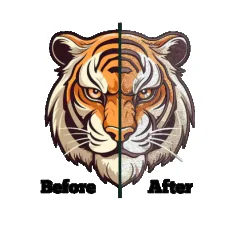 digitizing

Caps, uniforms, and jackets are among the most demanding garments in machine embroidery. Each item presents unique challenges related to fabric thickness, structure, and stitching angles. This is where best embroidery digitizing plays a critical role in achieving clean, stable, and professional embroidery results. Unlike flat garments, these apparel types require advanced planning to maintain design clarity and durability.
Professional digitizing ensures that embroidery not only looks accurate but also performs reliably during production and long-term use. Businesses that rely on consistent branding understand the importance of garment-specific digitizing strategies.
Unique Challenges of Caps Embroidery
Caps have curved surfaces and limited embroidery areas, which make digitizing more complex than flat garments.
Professional digitizing for caps focuses on:
-
Center-out stitching to reduce distortion
-
Controlled stitch direction for curved panels
-
Proper density to avoid fabric stress
-
Adjusted underlay for structured caps
Without correct digitizing, cap embroidery often suffers from shifting and uneven designs.
Uniform Embroidery Requires Consistency
Uniforms are produced in bulk and worn regularly, making consistency a top priority. Any variation in logo placement or stitch quality affects brand image.
Best embroidery digitizing for uniforms ensures:
-
Uniform logo proportions across sizes
-
Stable stitching on workwear fabrics
-
Consistent results in large production runs
-
Durability for repeated washing and use
Professional digitizing supports reliability across entire uniform programs.
Jacket Embroidery Demands Fabric Awareness
Jackets are usually made from thick or layered materials such as fleece, softshell, or heavy cotton blends. These fabrics react differently to stitching pressure.
Quality digitizing adjusts for jackets by:
-
Selecting appropriate underlay stitches
-
Balancing stitch density for thick materials
-
Preventing sinking or raised embroidery
-
Maintaining clean edges on bulky fabrics
These adjustments help designs remain visible and durable.
Stitch Density Control Across Garments
Each apparel type requires different stitch density levels. Caps need controlled density to avoid stiffness, while jackets require enough coverage to sit properly on thick fabric.
The best embroidery digitizing ensures:
-
Fabric-appropriate stitch density
-
Reduced thread breaks
-
Stable embroidery surfaces
-
Balanced appearance across garments
Density control is essential for production success.
Underlay Stitch Importance for Structured Apparel
Underlay stitches stabilize fabric and support top stitches, especially on structured garments like caps and jackets.
Professional digitizing uses underlay to:
-
Secure fabric during stitching
-
Improve stitch coverage
-
Reduce distortion
-
Increase embroidery durability
Underlay planning directly affects embroidery quality.
Clean Edges and Shape Accuracy
Logos and text must remain sharp and readable on all apparel types. Poor digitizing often results in uneven outlines and distorted shapes.
High-quality digitizing delivers:
-
Clean borders
-
Smooth curves
-
Accurate alignment
-
Consistent visual appearance
This is especially important for branded uniforms and outerwear.
Small Text and Detailed Logo Handling
Caps and uniforms often include initials, department names, or fine details. These elements require precise digitizing decisions.
Professional digitizing ensures:
-
Clear small lettering
-
Proper spacing between stitches
-
Adjusted stitch types for details
-
Reduced thread buildup
This maintains readability and professionalism.
Reduced Production Errors and Machine Stress
Incorrect digitizing leads to thread breaks, needle damage, and machine stoppages, particularly on thick or curved garments.
Best embroidery digitizing helps by:
-
Creating smooth stitch paths
-
Reducing sudden direction changes
-
Supporting steady machine operation
-
Improving production efficiency
This reduces downtime and material waste.
Manual Digitizing Over Automated Tools
Automated digitizing tools often fail to handle garment-specific challenges. Professional results require manual expertise.
Manual digitizing allows:
-
Garment-based adjustments
-
Experienced stitch planning
-
Controlled embroidery behavior
-
Reliable results across apparel types
This approach is essential for commercial embroidery.
Quality Control Before Production
Professional digitizing services review and test files before delivery to ensure performance on real garments.
Quality checks include:
-
Stitch path inspection
-
Density and underlay review
-
Fabric compatibility checks
-
Error correction before production
This prevents costly embroidery mistakes.
Conclusion
Caps, uniforms, and jackets demand specialized embroidery solutions. The best embroidery digitizing ensures stitch accuracy, fabric compatibility, and production consistency across these challenging garments. By investing in professional digitizing, businesses achieve durable, clean, and reliable embroidery that supports long-term branding and efficient production.
FAQs
Why is digitizing for caps more difficult than flat garments?
Caps have curved surfaces and limited stitching areas, requiring specialized stitch planning and direction control.
Do jackets need different digitizing than shirts?
Yes. Jackets use thicker fabrics that require adjusted density, underlay, and stitch strategies.
Can one digitized file work for caps, uniforms, and jackets?
Not always. Professional digitizing often customizes files based on garment type.
How does digitizing affect embroidery durability?
Proper digitizing improves stitch stability, reducing wear and damage over time.
Are automated digitizing tools suitable for structured garments?
Automated tools usually lack garment-specific adjustments needed for professional results.