
Breather Cap: Essential Guide for Industrial and Automotive Applications
Discover everything about breather caps, including types, applications, materials, maintenance, and benefits. Learn how breather caps protect engines and industrial systems.
 meh.riztech
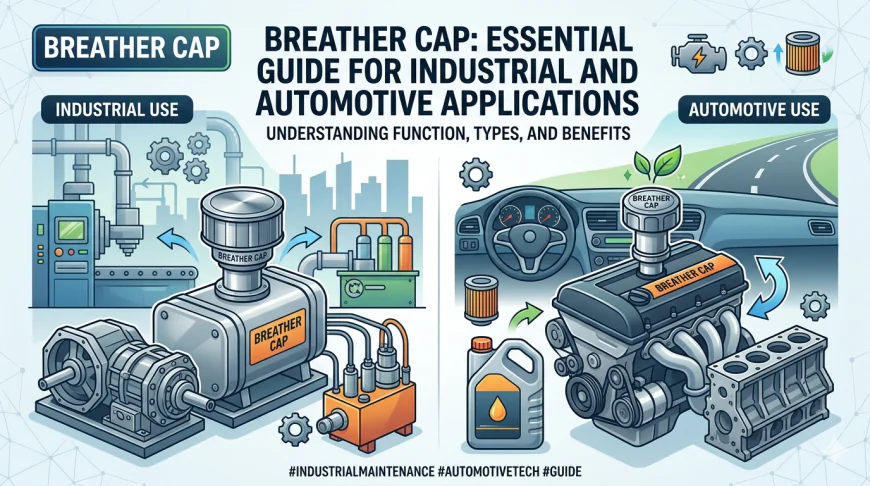
In the world of machinery, engines, and industrial systems, a breather cap plays a critical role in ensuring efficient operation and longevity. While often overlooked, this small yet essential component prevents damage caused by pressure fluctuations, contamination, and fluid leaks. Understanding its function, types, applications, and maintenance is key for engineers, mechanics, and industrial professionals.
What Is a Breather Cap?
A breather cap, sometimes referred to as a vent cap, is a device designed to regulate the pressure inside a sealed container, engine, or hydraulic system. It allows air to flow in and out, maintaining equilibrium while preventing dust, dirt, and other contaminants from entering. Without a breather cap, internal components can experience undue stress, leading to premature wear, leaks, or system failure.
These caps are widely used in automotive engines, industrial gearboxes, hydraulic reservoirs, and storage tanks. In essence, they act as the “lungs” of a system, ensuring that pressure changes due to temperature fluctuations or fluid movement do not compromise performance.
How a Breather Cap Works
The primary function of a breather cap is to allow air to escape or enter a system in response to pressure changes. When a fluid expands due to heat, the pressure inside the container rises. The breather cap releases excess air to prevent deformation or damage. Conversely, when the system cools, air is drawn back in to prevent vacuum formation.
Many breather caps include filters, membranes, or mesh to trap contaminants, preventing them from entering the system. This dual function—pressure regulation and contamination protection—makes the breather cap indispensable in high-performance machinery and sensitive systems.
Types of Breather Caps
Breather caps come in various types, tailored to specific applications. Choosing the right type is crucial for safety and efficiency. Some common types include:
1. Standard Breather Caps
These are the most basic type, often used in hydraulic tanks, gearboxes, and fuel reservoirs. They feature a simple vent with a mesh or filter to block debris. Standard caps are suitable for environments with low contamination risk and moderate pressure fluctuations.
2. Filtered Breather Caps
Filtered breather caps incorporate a finer mesh or a replaceable filter element to trap smaller particles. They are commonly used in industries where fluid purity is essential, such as chemical processing or food-grade machinery. These caps prevent micro-contaminants from entering, extending the lifespan of sensitive components.
3. Pressure-Relief Breather Caps
For systems experiencing high or variable pressure, pressure-relief breather caps are ideal. They combine venting with a built-in pressure valve. When the internal pressure exceeds a set threshold, the valve opens to release excess air, protecting the system from damage.
4. Flameproof Breather Caps
In hazardous environments, such as chemical plants or refineries, flameproof breather caps are crucial. They are designed to prevent ignition of flammable vapors while still allowing pressure equalization. These caps comply with safety standards and are vital for reducing the risk of explosions.
Applications of Breather Caps
Breather caps are versatile and used across multiple industries. Their applications include:
Automotive Industry
In cars, trucks, and motorcycles, breather caps are typically found on engine crankcases, fuel tanks, and differential housings. They prevent pressure buildup caused by heat and movement, reduce oil leaks, and protect against dust and dirt.
Industrial Machinery
Hydraulic systems, gearboxes, and compressors often require breather caps. They maintain system pressure, prevent fluid leakage, and safeguard sensitive components from contamination. This ensures smooth operation and reduces maintenance costs.
Agricultural Equipment
Tractors, harvesters, and irrigation pumps operate in dusty and harsh outdoor environments. Breather caps prevent dirt, soil, and water from contaminating oil reservoirs, keeping engines and hydraulic systems in optimal condition.
Marine Applications
Boats, ships, and offshore equipment face moisture, salt, and constant motion. Marine breather caps protect engines and gearboxes from water ingress while allowing pressure equalization. Corrosion-resistant materials, such as stainless steel or high-grade plastics, are commonly used for marine breather caps.
Storage Tanks and Reservoirs
Liquid storage tanks, whether for chemicals, water, or fuel, benefit from breather caps to regulate pressure changes caused by temperature fluctuations. They prevent vacuum formation or overpressure, protecting both the tank and piping systems.
Materials Used in Breather Caps
The choice of material affects the durability, chemical resistance, and performance of a breather cap. Common materials include:
-
Plastic (Polypropylene, Nylon, or ABS): Lightweight, corrosion-resistant, and suitable for standard applications.
-
Stainless Steel: Ideal for harsh environments, chemical exposure, or high-temperature applications.
-
Aluminum: Offers strength and corrosion resistance for automotive and industrial use.
-
Brass: Commonly used in hydraulic or oil systems for its durability and resistance to rust.
Maintenance of Breather Caps
Even the most robust breather caps require routine maintenance. Regular inspection ensures they function correctly and prevents costly system failures. Key maintenance steps include:
-
Cleaning: Remove accumulated dust, dirt, or sludge from the mesh or filter element.
-
Replacement: Filters should be replaced periodically based on manufacturer recommendations or operating conditions.
-
Inspection: Check for cracks, corrosion, or damage to the cap body, especially in harsh environments.
-
Seal Check: Ensure that the breather cap seals properly to prevent contamination or fluid leaks.
Proper maintenance extends system life, reduces downtime, and ensures consistent performance across automotive, industrial, and marine applications.
Choosing the Right Breather Cap
Selecting the correct breather cap involves evaluating system requirements, environmental conditions, and operational stresses. Consider the following:
-
System Pressure: Choose a standard or pressure-relief breather based on expected pressure fluctuations.
-
Contamination Risk: Filtered or flameproof breather caps are preferable in dusty, chemical, or hazardous environments.
-
Fluid Compatibility: Ensure the material is resistant to oils, chemicals, or fuel types in use.
-
Environmental Conditions: For marine or outdoor applications, corrosion-resistant materials and weatherproof designs are essential.
Investing in the right breather cap ensures optimal performance, reduces maintenance costs, and protects expensive machinery and engines.
Benefits of Using a Breather Cap
Using a breather cap offers several advantages:
-
Prevents pressure-related damage and leaks
-
Keeps contaminants out of sensitive systems
-
Reduces maintenance and prolongs equipment life
-
Enhances operational efficiency
-
Provides safety in hazardous or high-temperature environments
By regulating airflow and blocking debris, breather caps protect both the internal components and overall system performance.
Common Issues and Troubleshooting
Even with proper design and installation, breather caps can experience problems. Common issues include:
-
Clogging: Dust or sludge accumulation can restrict airflow, leading to pressure build-up.
-
Leaks: Damaged seals or cracks may allow contaminants to enter or fluid to escape.
-
Corrosion: Exposure to chemicals, moisture, or saltwater can deteriorate certain materials.
Regular inspection, cleaning, and timely replacement help prevent these issues. Ensuring the correct type and material for the application is the first step toward problem-free operation.
Conclusion
A breather cap may seem like a minor component, but its role in pressure regulation, contamination prevention, and system protection is crucial. From automotive engines and industrial gearboxes to hydraulic systems and storage tanks, breather caps ensure safe, efficient, and long-lasting operation. By understanding their types, applications, and maintenance requirements, users can select the right breather cap for their specific needs, avoiding costly downtime and protecting their investment.