What Health Precautions Are Needed for Family Safaris?
Learn essential health precautions for Family Safaris, including vaccinations, food safety, and travel tips. Travel safely with expert-guided Private Safaris by Cheetah Safaris.
 Cheetah Safaris
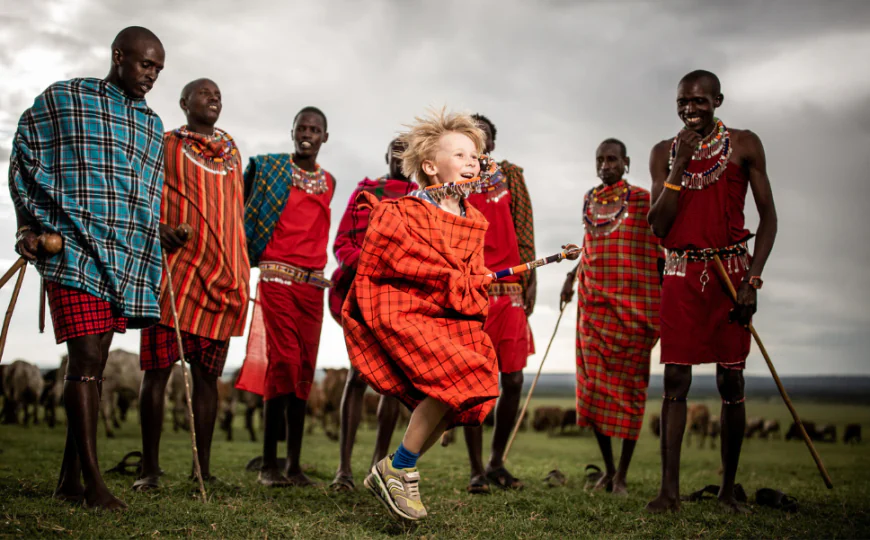
Family safaris are an exciting way to bond, explore nature, and introduce children to wildlife and different cultures. Whether you are traveling with toddlers, teenagers, or grandparents, good health preparation is essential to ensure a safe and enjoyable experience. From vaccinations to daily hygiene practices, planning makes all the difference, especially when embarking on Family Safaris in remote wilderness areas.
At Cheetah Safaris, guest safety and comfort are top priorities. With carefully designed Family Safaris and Private Safaris, the brand emphasizes health awareness without compromising the adventure. Below are the key health precautions every family should consider before heading out on safari.
1. Pre-Travel Medical Checkups
Before booking your safari, every family member should undergo a basic medical checkup. This is especially important for young children, elderly travelers, or anyone with chronic conditions such as asthma, allergies, or diabetes. Consult your doctor about your destination and ask for personalized medical advice.
Cheetah Safaris recommends discussing safari-specific factors like long drives, altitude changes, and warm climates so families are well prepared physically and mentally.
2. Vaccinations and Preventive Medication
Vaccinations are one of the most important health precautions for Family Safaris. Depending on the destination, recommended vaccines may include yellow fever, typhoid, hepatitis A and B, and tetanus. Some safari regions may also require proof of vaccination upon entry.
Malaria prevention is another critical consideration. Your doctor may prescribe anti-malarial medication and advise on mosquito-avoidance strategies. On Private Safaris organized by Cheetah Safaris, guides help minimize exposure by planning routes and accommodations carefully.
3. Packing a Comprehensive First-Aid Kit
A well-stocked first-aid kit is essential for any safari. It should include:
-
Basic pain relievers and fever medication
-
Motion sickness tablets
-
Antihistamines for allergies
-
Rehydration salts
-
Insect bite creams
-
Bandages and antiseptic wipes
Families traveling with children should also bring any prescription medicines in sufficient quantity. Cheetah Safaris suggests keeping medications in carry-on luggage and storing them properly during game drives.
4. Hydration and Food Safety
Dehydration is one of the most common health issues on safari, especially for children. Always drink bottled or purified water and encourage regular hydration throughout the day. Avoid ice cubes unless you are certain they are made from safe water.
Food safety is equally important. Eat freshly prepared meals and wash your hands before eating. On Family Safaris with Cheetah Safaris, meals are prepared under strict hygiene standards, ensuring both safety and comfort for travelers of all ages.
5. Protection from Sun and Heat
African safari destinations often have strong sun exposure. Prolonged heat can cause sunburn, heat exhaustion, or dehydration. Families should pack:
-
High-SPF sunscreen
-
Wide-brimmed hats
-
Lightweight, breathable clothing
-
Sunglasses with UV protection
Private Safaris offered by Cheetah Safaris allow flexible schedules, enabling families to rest during peak heat hours and enjoy activities in cooler parts of the day.
6. Insect Protection and Wildlife Awareness
Insects can carry diseases, so insect repellent with DEET or natural alternatives is highly recommended. Long-sleeved clothing in the evenings can further reduce mosquito bites.
Equally important is understanding wildlife behavior. Children should be educated about staying inside vehicles, keeping quiet during game drives, and following guide instructions at all times. Cheetah Safaris’ experienced guides are trained to ensure family safety while providing educational and engaging experiences.
7. Travel Insurance and Emergency Planning
Comprehensive travel insurance is a must for Family Safaris. Ensure it covers medical emergencies, evacuation, and trip cancellations. Know the location of nearby medical facilities and keep emergency contact numbers handy.
Cheetah Safaris works closely with trusted local partners and lodges that have emergency response plans, offering families peace of mind throughout their journey.
Final Thoughts
With the right health precautions, Family Safaris can be safe, enriching, and unforgettable experiences. Proper preparation, from medical checkups to sun protection, allows families to focus on adventure rather than worry. Choosing a trusted operator like Cheetah Safaris, known for its expertly planned Family Safaris and Private Safaris, adds an extra layer of safety and comfort.
By planning and staying informed, families can enjoy the magic of safari travel while creating lifelong memories together.