How Junk Removal Services Handle Hazardous Materials Safely and Responsibly
Learn how junk removal services handle hazardous materials safely, legally, and responsibly to protect people, homes, and the environment.
 fredaperry
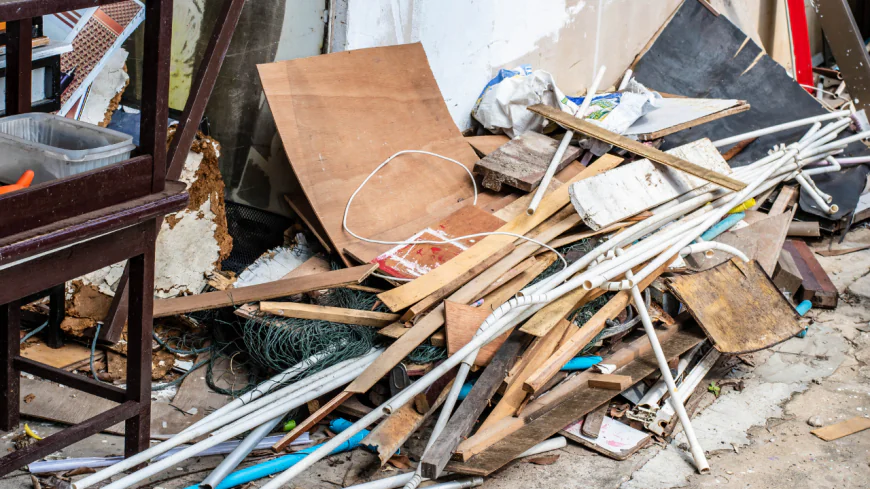
Getting rid of unwanted items is often simple, but some items can be dangerous if handled the wrong way. Many homes and businesses contain materials that are harmful to people, pets, and the environment. These items are called hazardous materials. They need special care, proper tools, and legal disposal methods.
This article explains how junk removal services handle hazardous materials from start to finish. The goal is to help you understand the process in clear, easy language. By the end, you will know why professional junk removal matters and how it keeps everyone safe.
What Hazardous Materials Mean in Junk Removal
Hazardous materials are items that can cause harm if they are touched, breathed in, spilled, or thrown away incorrectly. These materials are often found in garages, basements, sheds, offices, and job sites.
Common examples include old paint, cleaning chemicals, motor oil, pesticides, batteries, fuel cans, and some electronics. Other items like asbestos, fluorescent bulbs, and medical waste are also hazardous.
These materials are not safe to place in regular trash bins. They can leak into the ground, pollute water, or release harmful fumes. This is why junk removal services follow strict steps when handling them.
Why Hazardous Materials Need Special Handling
Hazardous items can hurt people in many ways. Some burn the skin. Others release toxic gas. Some catch fire easily. A few can explode if crushed or overheated.
Improper disposal can also harm the environment. Chemicals can seep into soil and water. Batteries can leak heavy metals. Paint and fuel can poison wildlife.
Because of these risks, laws control how hazardous waste is collected, moved, and disposed of. Professional junk removal companies are trained to follow these rules and protect everyone involved.
How Junk Removal Services Identify Hazardous Items
The first step is identification. Junk removal teams are trained to spot items that may be hazardous. When they arrive at a home or business, they look closely at labels, containers, and item types.
If a customer is unsure whether something is hazardous, the team asks questions and checks the material carefully. Clear communication helps avoid mistakes and keeps the process safe.
Some companies also ask about hazardous items during booking. This allows them to bring the right tools and plan proper disposal before the job starts.
Safety Training for Junk Removal Teams
Professional junk removal services invest in safety training. Workers learn how to recognize dangerous materials and how to handle them without risk.
Training includes proper lifting, safe storage, spill control, and emergency response. Workers also learn how to avoid breathing fumes or touching harmful substances.
This training protects not only the workers but also homeowners, neighbors, and the surrounding area.
Protective Gear Used During Hazardous Removal
When handling hazardous materials, junk removal teams use protective gear. This gear reduces exposure and prevents accidents.
Protective gloves shield hands from burns and cuts. Masks or respirators protect lungs from fumes and dust. Safety glasses guard eyes from splashes. In some cases, full protective suits are used.
Using the right gear ensures that hazardous items are removed without injury or contamination.
Safe Packaging and Containment
Once hazardous items are identified, they must be packed safely. Junk removal teams use approved containers that prevent leaks and spills.
Liquids are sealed tightly. Sharp items are wrapped securely. Batteries and electronics are stored in special containers to stop short circuits or leaks.
Proper containment keeps hazardous materials stable during transport and prevents damage to trucks or roads.
Transporting Hazardous Materials Carefully
Transporting hazardous materials is a serious responsibility. Junk removal companies use vehicles designed to handle these items safely.
Loads are secured to prevent movement. Containers are placed upright and spaced properly. Drivers follow safe routes and avoid rough handling.
Transport laws often require special permits or documentation. Professional services understand these rules and follow them closely.
Legal Rules and Compliance
Hazardous waste disposal is regulated by local, state, and federal laws. These laws exist to protect public health and the environment.
Junk removal companies must know which materials they are allowed to handle and where they can take them. Some items require licensed disposal facilities.
Professional services stay updated on regulations so customers do not face fines or legal trouble from improper disposal.
Approved Disposal Facilities
Hazardous materials cannot go to regular landfills. They must be taken to approved facilities designed to handle them safely.
These facilities treat, recycle, or neutralize hazardous waste. Some burn it under controlled conditions. Others break it down into safer parts.
Junk removal services partner with these facilities to ensure materials are disposed of in the right way.
Recycling Hazardous Materials When Possible
Not all hazardous items are destroyed. Some can be recycled safely.
Batteries contain valuable metals that can be reused. Electronics hold parts that can be recovered. Used oil can be cleaned and reused.
Recycling reduces waste and protects natural resources. Junk removal companies aim to recycle whenever possible and safe.
Handling Items They Cannot Take
Some hazardous materials are too dangerous for standard junk removal services. These may include large amounts of chemicals, medical waste, or certain industrial materials.
When this happens, the company explains the situation clearly. They may guide the customer to a specialized service or local hazardous waste program.
Honest guidance helps customers dispose of items safely without confusion.
Protecting Homes During Removal
Hazardous material removal requires care inside the home as well. Junk removal teams take steps to avoid spills, stains, or damage.
They may use floor protection, carry items carefully, and avoid tight spaces. If an item is leaking or unstable, extra precautions are taken.
The goal is to leave the home clean and safe after the job is done.
Environmental Responsibility
Responsible junk removal goes beyond simple hauling. It includes caring for the environment.
By following disposal laws and recycling materials, junk removal services reduce pollution and protect ecosystems. This responsible approach benefits communities and future generations.
Choosing a professional service helps ensure hazardous materials do not end up in rivers, soil, or air.
Why Professional Junk Removal Is the Safer Choice
Trying to remove hazardous materials on your own can be risky. Without training or proper tools, accidents are more likely.
Professional junk removal services know how to handle dangerous items safely. They reduce stress, save time, and prevent harm.
Homeowners and businesses can feel confident knowing the job is done correctly.
How Local Services Make a Difference
Local junk removal companies understand regional rules and disposal options. They know where approved facilities are and how to work within local guidelines.
A trusted local service like Trash and Dash Junk Removal in Maryland focuses on safe practices and responsible disposal. Working with a local team also supports the community.
Choosing the Right Junk Removal Company
When selecting a junk removal service, look for experience, training, and transparency. Ask how they handle hazardous materials and where items go after removal.
A reliable company explains the process clearly and follows safety standards without shortcuts.
Using a professional service such as Trash and Dash Junk Removal gives peace of mind that hazardous materials are handled with care and respect for safety and the environment.
The Role of Communication With Customers
Good communication is a key part of safe hazardous waste removal. Customers should share details about items they want removed.
Junk removal teams ask questions and provide guidance. This teamwork ensures no surprises and smooth service.
Clear communication helps protect everyone involved.
What Happens After Disposal
After hazardous materials reach the proper facility, they are processed according to strict rules. Records may be kept to track waste and ensure compliance.
This final step completes the safe disposal cycle. It ensures materials no longer pose a risk to people or nature.
Final Thoughts on Hazardous Junk Removal
Hazardous materials require respect and careful handling. Junk removal services play a vital role in keeping homes, neighborhoods, and the environment safe.
From identification to disposal, each step follows safety rules and legal guidelines. Professional services reduce risk and make cleanup simple for customers.
If you have items that may be hazardous, choosing a trusted local provider like Trash and Dash Junk Removal in Maryland helps ensure everything is handled the right way.
Safe junk removal is not just about clearing space. It is about protecting health, safety, and the world around us.