Commercial Folding Doors: The Ultimate Business Buyer’s Guide (2026 Edition)
Commercial Folding Doors buyer’s guide 2026: costs, types, installation, energy efficiency, security, and ROI for retail, hospitality, and offices.
 alisonsummit1990
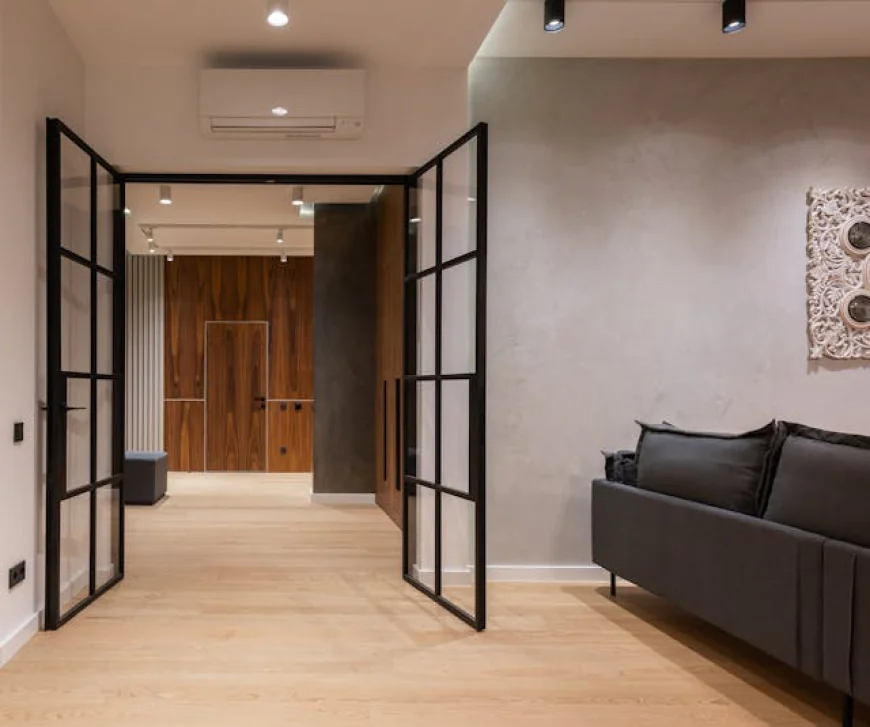
In recent years, Commercial Folding Doors have transitioned from a high-end architectural feature into an essential business investment. Retail chains, hospitality brands, shopping malls, and office developers are increasingly prioritizing open, flexible environments where customers feel comfortable spending time and money.
Today, businesses compete not only on products and services but also on experience. More natural light. Wider entrances. Flexible layouts. That is precisely what Commercial Folding Doors deliver.
From premium storefront folding doors in shopping malls to advanced folding glass doors for commercial buildings in cafés and restaurants, businesses are investing in systems that combine performance with modern aesthetics. In competitive markets, smart design increases customer engagement and drives revenue.
What Are Commercial Folding Doors?
Commercial Folding Doors are multi-panel door systems that fold and stack neatly to one or both sides. Unlike traditional swinging or sliding doors, they provide an almost full-width opening, maximizing accessibility.
Most systems are constructed using:
-
Aluminium frames for strength and corrosion resistance
-
Tempered or laminated safety glass
-
Steel-reinforced hardware components for heavy-duty operation
They operate along advanced track systems, either top-hung or bottom-rolling. Many high-traffic commercial properties now integrate automated systems for seamless access control.
When closed, they serve as secure storefront barriers. When open, they create a seamless transition between indoor and outdoor spaces.
Advantages of Commercial Folding Doors
✔ Space Optimization
Panels fold compactly to one side, making them ideal for narrow storefronts and commercial hallways.
✔ Improved Natural Light
Glass-based systems increase daylight penetration, enhancing product displays and ambiance while potentially lowering lighting costs.
✔ Seamless Indoor-Outdoor Transition
Restaurants and hospitality businesses use retractable commercial doors to create open-air dining experiences without structural alterations — a major trend in 2026.
✔ Energy Efficiency
Modern energy-efficient commercial doors feature insulated glazing, thermal breaks, and weather seals. Proper installation helps regulate indoor temperatures and reduce HVAC strain.
✔ Enhanced Security
Contemporary systems include:
-
Multi-point locking mechanisms
-
Reinforced frame joints
-
Impact-resistant laminated glass
Security remains a top priority, especially in retail environments.

Types of Commercial Folding Doors
Not all Commercial Folding Doors are the same. The right system depends on the business environment and operational requirements.
Aluminum Folding Doors
Lightweight, durable, and rust-resistant ideal for humid or coastal climates.
Glass Folding Doors
Popular as storefront folding doors, improving product visibility and attracting foot traffic.
Fire-Rated Folding Doors
Designed to comply with commercial fire safety regulations and building codes.
Acoustic Folding Doors
Provide sound insulation for hotels, conference halls, and office meeting spaces.
Insulated / Thermal Folding Doors
Best for temperature-sensitive environments requiring superior thermal performance.
Each system offers customizable performance features tailored to specific commercial needs.
Industries That Benefit Most
Retail Stores
Provide wide openings during peak hours, promotions, and events.
Restaurants & Cafés
Enable quick expansion into outdoor dining areas, enhancing customer experience.
Office Spaces
Allow flexible meeting rooms and collaborative workspaces.
Hotels & Hospitality
Ballrooms and banquet halls benefit from adaptable layouts using heavy-duty folding doors.
Event Venues & Warehouses
Facilitate easy equipment movement while maintaining operational efficiency.
Commercial Folding Doors vs. Sliding Doors
Businesses often compare Commercial Folding Doors with sliding door systems before investing.
Sliding doors may suit certain applications, but they typically offer limited opening widths since panels overlap. In contrast, commercial bifold doors provide near-total opening clearance, delivering superior flexibility and space optimization.
For businesses prioritizing openness and adaptability, folding systems are generally the better investment.
Installation Requirements & Considerations
Professional installation is critical for long-term performance.
Structural Support
The structure must support track weight and panel load.
Track Systems
-
Top-hung systems reduce floor wear.
-
Bottom-supported systems are suitable for heavy-duty folding doors.
Weatherproofing
High-quality seals prevent drafts and moisture infiltration.
ADA Compliance
Commercial properties must meet accessibility standards.
Building Codes
Fire ratings and glass specifications are subject to local regulations.
Improper installation can compromise performance, safety, and durability.

Commercial Folding Doors: Cost Guide (2026)
The cost of Commercial Folding Doors in 2026 depends on size, materials, and customization.
Average Installed Cost
$800 – $1,500 per linear foot
Factors Affecting Pricing
-
Frame material (aluminum vs. steel)
-
Glass type (double-glazed, laminated, insulated)
-
Automation integration
-
Custom finishes
-
Installation complexity
While premium systems require higher upfront investment, they often deliver long-term ROI through energy savings and enhanced storefront appeal.
Maintenance & Durability Tips
With routine maintenance, Commercial Folding Doors can last 20 years or more.
Cleaning Glass Panels
Use non-abrasive cleaners to maintain clarity.
Track Maintenance
Remove debris and lubricate moving parts regularly.
Alignment Checks
Periodic inspections prevent operational issues.
Warranty Coverage
Choose suppliers offering 5–10 year warranties for added security.
Choosing the Right Commercial Folding Door System
Material Selection
Aluminum performs well in humid climates. Insulated glass suits colder regions.
Climate Conditions
Thermal-rated systems improve energy efficiency.
Security Requirements
Multi-point locking systems are essential for retail environments.
Budget Planning
Focus on long-term ROI rather than initial cost alone.
Supplier Evaluation Checklist
-
Certified installation team
-
Proven commercial portfolio
-
Comprehensive product warranties
-
Reliable after-sales support
Investing in high-quality Commercial Folding Doors ensures durability, performance, and aesthetic value.
Frequently Asked Questions (FAQs)
Are Commercial Folding Doors energy efficient?
Yes. Modern insulated systems reduce heat transfer and improve temperature control.
How long do commercial folding doors last?
With proper maintenance, they typically last 20+ years.
Can folding doors be automated?
Yes. Automation is widely integrated for high-traffic commercial environments.
Are they safe for retail stores?
Absolutely. Reinforced frames and advanced locking systems provide enhanced security.
Are commercial bifold doors suitable for shopping malls?
Yes. They are widely used in malls for flexibility, design appeal, and operational efficiency.
Final Thoughts
For businesses planning renovations or new developments in 2026, Commercial Folding Doors offer a strategic advantage. They improve visibility, enhance flexibility, and create welcoming environments that customers appreciate.