
Common Digital Marketing Mistakes B2B Companies Should Avoid
This blog explores the most common digital marketing mistakes B2B companies make, such as lacking a clear strategy, misunderstanding the target audience, ignoring SEO, and focusing only on traffic instead of lead quality. It highlights how businesses can improve their digital presence, create valuable content, and build long-term relationships with qualified clients through smarter, data-driven marketing strategies.
 kylemendoza
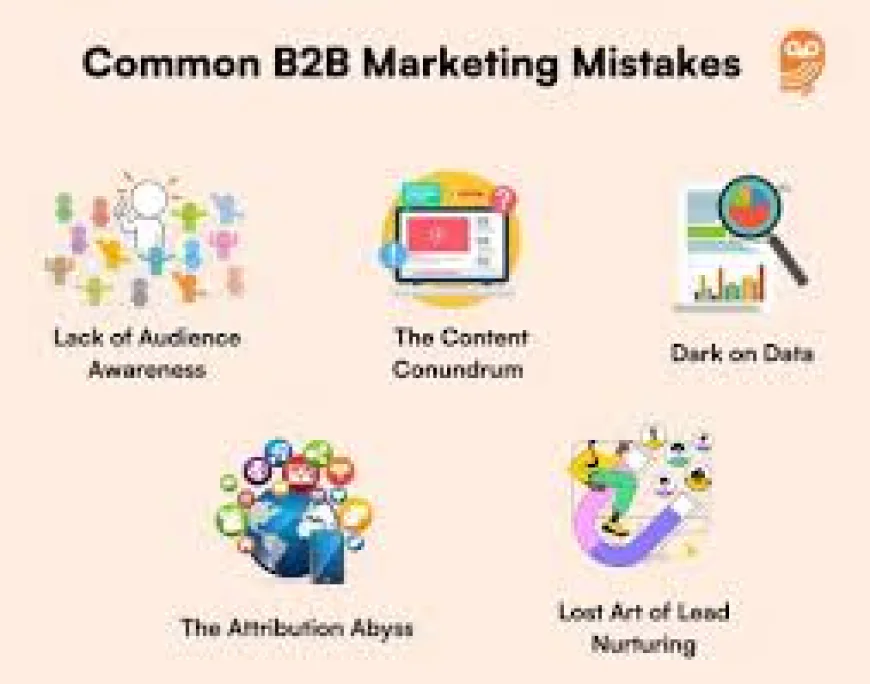
Explore Common Digital Marketing Mistakes B2B Companies Should Avoid
Digital marketing has become a core driver of growth for modern B2B companies. Buyers now conduct extensive research online before contacting a supplier, comparing solutions, reading educational content, and evaluating credibility. Because of this shift, businesses that want to compete in today’s market must build a strong digital presence that communicates expertise and reliability.
However, many organizations invest in digital marketing without a clear strategy. They launch campaigns, publish content, or run advertisements without fully understanding how B2B buyers behave online. These mistakes often lead to wasted budgets, weak lead generation, and limited long-term growth.
Understanding the most common digital marketing mistakes can help B2B companies build smarter strategies, improve visibility, and attract high-quality leads that convert into long-term business relationships.
1. Lack of a Clear Digital Marketing Strategy
One of the most common mistakes B2B companies make is starting digital marketing activities without a structured strategy. Businesses may run social media campaigns, publish blog posts, or invest in advertising, but without a defined plan these efforts often produce inconsistent results.
A strong strategy begins with clear goals. Companies must determine whether they want to increase brand awareness, generate qualified leads, educate potential clients, or strengthen authority within their industry. Each goal requires a different approach.
Without a clear roadmap, marketing teams often focus on short-term tactics instead of long-term growth. As a result, campaigns become fragmented, messaging becomes inconsistent, and potential customers struggle to understand the brand’s value.
A well-defined strategy aligns marketing efforts with business objectives and ensures that every campaign contributes to measurable outcomes.
2. Ignoring the Long B2B Buying Cycle
B2B purchasing decisions are rarely immediate. Unlike consumer purchases, which can be quick and emotional, business decisions typically involve research, evaluation, and multiple stakeholders.
Many companies expect immediate conversions from their marketing campaigns. When leads do not convert quickly, they assume the strategy is failing. In reality, B2B buyers often take weeks or months to make a decision.
Digital marketing should support this longer journey by providing educational resources, informative articles, case studies, and industry insights that help potential clients understand the value of a solution.
Companies that focus only on direct sales messaging often lose opportunities to nurture relationships and build trust during the research stage.
3. Weak Understanding of the Target Audience
Another frequent mistake is failing to clearly define the target audience. B2B markets often include multiple decision-makers such as managers, executives, technical specialists, and procurement teams. Each of these individuals has different concerns and priorities.
When marketing messages are too broad, they fail to address the real challenges faced by potential clients. As a result, the content may attract traffic but fail to generate meaningful engagement.
Successful B2B marketing requires detailed buyer personas that represent the key roles involved in the purchasing process. Understanding the audience allows businesses to create more relevant messaging, produce useful content, and design marketing campaigns that resonate with real industry challenges.
4. Overlooking Search Visibility
Search engines play a major role in how businesses discover new suppliers and solutions. Decision-makers frequently search for information, industry insights, and product comparisons before engaging with a company.
Despite this behavior, some organizations underestimate the importance of search visibility. They may focus heavily on paid advertising or social media while neglecting the long-term value of organic search.
Working with an experienced B2B SEO Agency helps businesses enhance their website structure, content quality, and overall search performance. By consistently appearing in relevant search results, a company builds credibility and attracts high-intent visitors actively seeking solutions.
Ignoring search visibility can limit growth opportunities and reduce the effectiveness of other marketing efforts.
5. Publishing Low-Quality or Generic Content
Content plays a critical role in B2B marketing. Buyers rely on educational resources to understand complex solutions and evaluate potential partners. However, many companies publish content simply to maintain activity rather than provide real value.
Generic articles that repeat common information rarely build authority or trust. Instead, businesses should focus on creating content that addresses real industry problems, explains technical concepts clearly, and offers practical insights.
High-quality content demonstrates expertise and helps potential clients see the company as a reliable source of knowledge. Over time, this type of content builds credibility and encourages deeper engagement.
6. Poor Website User Experience
A company’s website is often the first point of interaction for potential clients. If the website is difficult to navigate, slow to load, or poorly organized, visitors may leave before exploring the available services.
Many B2B websites contain valuable information but present it in a confusing way. Complex navigation structures, unclear messaging, and outdated design can reduce engagement and weaken trust.
A well-designed website should guide visitors through the buyer journey. It should clearly explain services, provide educational resources, and make it easy for potential clients to understand how the company can help solve their problems.
User experience is not only important for visitors but also influences how search engines evaluate a website’s overall quality.
7. Focusing Only on Traffic Instead of Lead Quality
Some companies measure digital marketing success primarily by the amount of website traffic they generate. While traffic is an important indicator of visibility, it does not necessarily translate into business growth.
For B2B companies, attracting the right audience is far more important than attracting a large audience. Marketing efforts should focus on reaching decision-makers who are genuinely interested in the services or solutions offered.
This means optimizing content for relevant topics, creating resources that address industry challenges, and ensuring that messaging speaks directly to business needs.
Quality leads that match the company’s target audience are far more valuable than large volumes of irrelevant traffic.
8. Neglecting Data and Performance Analysis
Digital marketing provides valuable data that can reveal how audiences interact with content, campaigns, and websites. Unfortunately, many companies fail to analyze this information effectively.
Without proper analysis, marketing teams may continue using strategies that are not producing meaningful results. Important insights about user behavior, campaign performance, and content engagement can be missed.
Regular performance reviews allow businesses to identify which strategies are working and which areas require improvement. Data-driven decision-making ensures that marketing resources are used efficiently and campaigns evolve over time.
9. Inconsistent Branding and Messaging
Consistency is essential in B2B marketing. Companies that present different messages across various channels can confuse potential clients and weaken their credibility.
For example, a business may position itself as a technology expert on its website but communicate generic marketing messages on social media. These inconsistencies make it difficult for audiences to understand the company’s core value.
Strong branding requires a consistent voice, clear positioning, and unified messaging across all marketing platforms. When every piece of communication reinforces the same expertise and mission, businesses build stronger recognition and trust.
10. Expecting Immediate Results
Digital marketing is often misunderstood as a quick solution for generating leads and revenue. While some campaigns can produce short-term results, sustainable growth usually takes time.
Building authority, improving search visibility, and earning trust within an industry are long-term processes. Companies that expect instant outcomes may abandon strategies before they have the opportunity to succeed.
Patience and consistency are essential for achieving meaningful results. Businesses that commit to long-term marketing strategies often see gradual improvements in visibility, reputation, and lead generation.
Conclusion
Digital marketing offers powerful opportunities for B2B companies to reach new audiences, educate potential clients, and build long-term business relationships. However, success requires careful planning, a deep understanding of the target audience, and consistent execution.
Many organizations struggle because they approach digital marketing without a clear strategy, underestimate the importance of search visibility, or focus on short-term tactics rather than long-term value. Mistakes such as publishing low-quality content, ignoring data insights, or prioritizing traffic over lead quality can significantly reduce the effectiveness of marketing efforts.
By recognizing and avoiding these common mistakes, B2B companies can create stronger digital strategies that attract qualified leads and build lasting credibility within their industries. A thoughtful, data-driven approach to digital marketing not only improves visibility but also supports sustainable growth in an increasingly competitive online environment.
FAQs
What are the most common digital marketing mistakes B2B companies make?
Common mistakes include lacking a clear marketing strategy, targeting the wrong audience, publishing low-quality content, and focusing only on traffic instead of qualified leads.
Why is understanding the target audience important in B2B marketing?
Understanding the target audience helps businesses create relevant messaging, produce useful content, and attract decision-makers who are more likely to convert into clients.
How does content marketing support B2B digital marketing?
Content marketing helps businesses educate potential clients, demonstrate expertise, and build trust during the research phase of the B2B buying journey.
Why is SEO important for B2B companies?
SEO improves search visibility, allowing businesses to appear in relevant search results when potential clients are researching solutions online.
How can B2B companies improve lead quality?
Lead quality can be improved by targeting specific industry audiences, creating problem-focused content, and optimizing marketing campaigns for relevant search intent.
Why do B2B digital marketing strategies require patience?
B2B marketing often involves longer decision-making cycles, so building authority, trust, and visibility takes consistent effort over time.
What role does website user experience play in B2B marketing?
A well-structured website helps visitors understand services easily, improves engagement, and increases the chances of converting visitors into leads.
How can data help improve B2B marketing performance?
Analyzing marketing data helps businesses understand user behavior, measure campaign performance, and refine strategies for better results.