
common plumbing problems in old houses
Learn about common plumbing problems in old houses, why they happen, and how to fix them safely before they turn into costly repairs.
 fredaperry
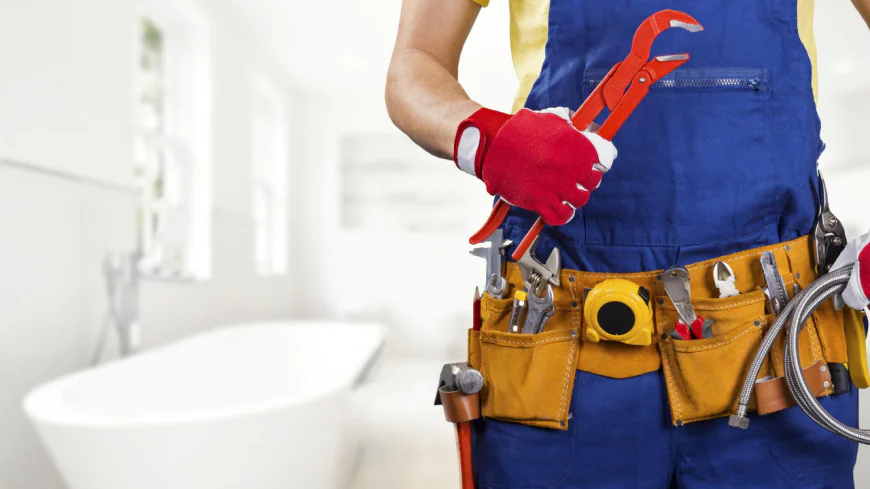
Old houses have a special charm. They tell stories through their walls, floors, and designs. But behind that beauty, there is often one big challenge: plumbing. Plumbing systems in older homes were built many years ago. They were made for a different time, different water use, and different materials. Over the years, pipes wear out, joints loosen, and systems stop working as they should.
If you live in or plan to buy an old house, understanding common plumbing problems is critical. This knowledge helps you spot issues early, avoid major damage, and protect your budget. This guide explains these problems in clear, simple language so anyone can understand it easily.
Why Plumbing Problems Are Common in Old Houses
Old houses were built with materials and methods that are no longer used today. Many pipes were designed to last 40 to 70 years. Some homes are now well past that age. Time, water pressure, mineral buildup, and soil movement all take a toll on plumbing systems.
Older homes also were not built for modern water usage. Today, families use washing machines, dishwashers, multiple showers, and modern toilets. Old pipes were never designed for this level of demand.
Because of this, plumbing issues are not rare in older houses. They are expected.
Outdated Pipe Materials
One of the biggest plumbing issues in old houses is outdated pipe material.
Many older homes still have galvanized steel pipes. These pipes rust on the inside over time. As rust builds up, the pipe opening gets smaller. This reduces water flow and lowers pressure. Eventually, the pipes can clog completely or start leaking.
Some old houses also have lead pipes. Lead pipes were common many decades ago. Today, they are known to be unsafe. Lead can leak into drinking water and cause serious health problems, especially for children.
Cast iron pipes were often used for drain lines. These pipes are strong, but they corrode from the inside. Over time, they crack, leak, or collapse.
When pipes reach the end of their lifespan, repairs become more frequent. In many cases, full pipe replacement is the safest long-term solution.
Low Water Pressure
Low water pressure is a very common complaint in old houses. It can make daily tasks like showering, washing dishes, or doing laundry frustrating.
This problem often comes from mineral buildup inside old pipes. Hard water leaves deposits on the inner walls of pipes. Over many years, these deposits reduce water flow.
Leaks can also cause low pressure. Even small leaks reduce the amount of water reaching your fixtures.
Old shutoff valves may not open fully anymore. Rust and wear prevent them from working as designed.
Low pressure is not always easy to fix with a quick adjustment. A professional inspection is often needed to find the true cause.
Frequent Pipe Leaks
Old pipes are more likely to leak. Metal weakens with age. Joints loosen. Seals dry out.
Small leaks may go unnoticed for a long time. Water can drip inside walls, under floors, or in ceilings. Over time, this causes mold, wood rot, and structural damage.
Leaks also increase water bills. Even a slow drip can waste a large amount of water over months.
In older homes, one leak often means more leaks are coming soon. That is why recurring pipe leaks are a warning sign that the plumbing system is aging.
Clogged Drains That Keep Coming Back
Clogged drains are common in any home, but in old houses, they happen more often and are harder to fix.
Old drain pipes may have rough inner surfaces due to corrosion. Hair, grease, soap, and debris stick easily to these surfaces.
Tree roots are another major cause. Old sewer lines often crack underground. Tree roots grow toward moisture and enter these cracks. Once inside, they expand and block the pipe.
Chemical drain cleaners are usually not a good solution for old pipes. They can damage already weak materials and make the problem worse.
Recurring clogs usually mean there is a deeper issue in the drain system.
Sewer Line Problems
Sewer line problems are among the most serious plumbing issues in old houses.
Old sewer pipes are often made from clay or cast iron. These materials break down over time. Cracks, collapses, and root invasion are common.
Signs of sewer problems include slow drains in multiple fixtures, bad smells, gurgling sounds, and sewage backups.
Sewer line repairs are complex and should never be ignored. Delaying repairs can lead to major health risks and expensive property damage.
Old and Failing Fixtures
Plumbing fixtures also age. Old faucets, toilets, and showerheads wear out internally.
Rubber washers harden and crack. Valves stop sealing properly. This leads to constant dripping and water waste.
Old toilets often use more water than modern ones. They may clog easily or run nonstop.
Replacing old fixtures not only prevents leaks but also improves water efficiency and comfort.
Water Heater Issues
Water heaters in old houses often struggle to meet modern needs.
Older water heaters may be undersized. They were built when households used less hot water.
Sediment buildup inside the tank is another issue. Over time, minerals settle at the bottom of the tank. This reduces heating efficiency and shortens the heater’s lifespan.
Old pipes connected to the water heater may leak or corrode, increasing the risk of water damage.
If your hot water runs out quickly or looks rusty, your system likely needs attention.
Poor Drain Venting
Plumbing systems need proper venting to work correctly. Vents allow air into the system so water can flow smoothly.
In older homes, vent pipes may be missing, blocked, or improperly installed.
Poor venting causes slow drains, gurgling sounds, and bad odors. It can also allow sewer gases to enter the home, which is unsafe.
Fixing venting problems often requires professional knowledge of older building designs.
Frozen Pipes in Cold Weather
Older houses often lack proper insulation. Pipes may be located in unheated areas like basements, crawl spaces, or exterior walls.
In cold weather, these pipes can freeze. Frozen water expands and can cause pipes to burst.
Burst pipes lead to sudden flooding and serious damage.
Preventing frozen pipes usually requires insulation upgrades and sometimes rerouting pipes to safer locations.
Hidden Plumbing Damage
One of the biggest risks in old houses is hidden plumbing damage.
Pipes may be buried behind walls or under floors. Damage can happen slowly without visible signs.
Mold, stains, warped floors, and musty smells are often the first clues. By the time these signs appear, damage may already be extensive.
Regular inspections are key for older homes. Catching problems early saves money and stress.
Why DIY Fixes Often Fail in Old Houses
Quick fixes may work in newer homes, but old plumbing systems are fragile.
Tightening a fitting can break an old pipe. Using modern parts on outdated systems may cause compatibility issues.
Without understanding the full system, small repairs can trigger bigger failures.
For serious or recurring issues, professional help is the safest choice.
When to Call a Professional Plumber
If you live in an older home, some situations should never be ignored.
Constant leaks, low water pressure throughout the house, frequent drain clogs, sewer smells, or discolored water all point to deeper problems.
In these cases, it is wise to contact an experienced local professional like Plumber Rotterdam. A qualified expert understands the challenges of older plumbing systems and knows how to fix them safely.
You can learn more or request help through this trusted service:
Plumber Rotterdam – https://spoed-loodgieter-rotterdam.nl/
Getting professional help early can prevent small problems from turning into major repairs.
Preventive Maintenance for Old Plumbing Systems
While old plumbing has limits, good maintenance helps extend its life.
Regular inspections identify weak points before they fail. Slow leaks can be repaired early. Drains can be cleaned properly. Pressure issues can be addressed.
Replacing parts in stages is often more affordable than waiting for a full system failure.
Preventive care protects both your home and your budget.
The Value of Upgrading Old Plumbing
Many homeowners worry about the cost of plumbing upgrades. But outdated systems often cost more in the long run.
Frequent repairs, water damage, and high water bills add up quickly.
Modern plumbing materials are safer, stronger, and more efficient. Upgrades improve water pressure, reduce leaks, and increase property value.
For old houses, plumbing upgrades are often one of the smartest investments.
Final Thoughts
Old houses are full of character, but their plumbing systems need special care. Common plumbing problems in old houses include outdated pipes, leaks, clogs, low pressure, sewer issues, and failing fixtures. These problems happen because materials age, designs become outdated, and modern water use exceeds original limits.
Understanding these issues helps you act early. Early action prevents damage, protects health, and saves money.
If you own or plan to own an old house, take plumbing seriously. Regular inspections, proper maintenance, and expert support from a trusted service like Plumber Rotterdam can make all the difference.
Old homes deserve respect. With the right care, their plumbing can stay reliable for many years to come.