
Common Steam Boiler Problems and How to Fix Them
Steam boilers are essential in many industries and even in some residential systems, providing reliable heat and power.
 iio12
iio12
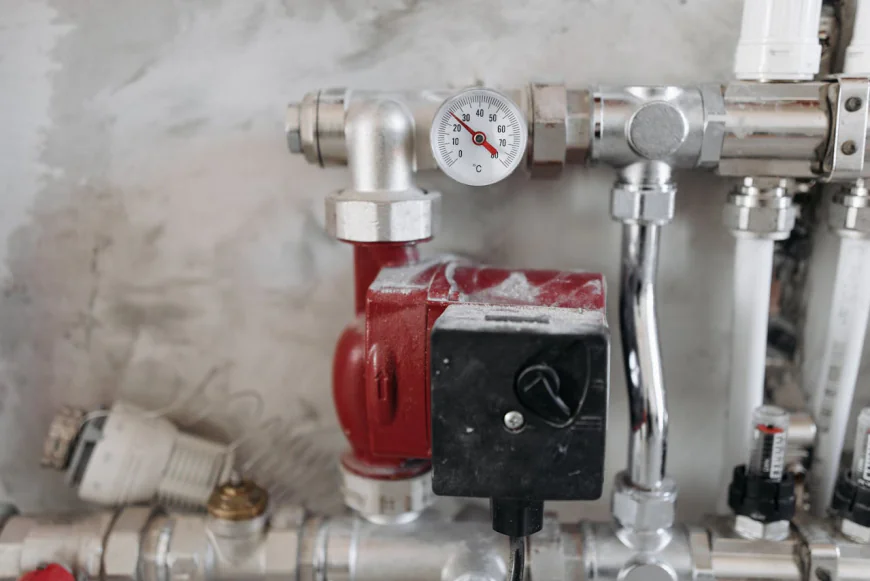
Steam boilers are essential in many industries and even in some residential systems, providing reliable heat and power. But like any mechanical equipment, a steam boiler can develop issues over time. Knowing the most common problems and how to fix them can save you from costly downtime, improve efficiency, and extend the life of your system.
This guide covers the most frequent steam boiler problems and practical solutions you can apply.
1. Low Water Levels
One of the most serious issues a steam boiler can face is low water levels. Water is essential for generating steam, and without enough of it, the boiler can overheat and suffer severe damage.
Common causes include leaks, faulty feedwater systems, or malfunctioning level controls.
How to fix it:
Start by checking for visible leaks in the system. Inspect pipes, valves, and seals. If everything looks intact, test the water level control system to ensure it’s functioning properly. In many cases, cleaning or replacing the water level sensor solves the problem. Regular maintenance checks can prevent this issue from escalating.
2. Boiler Leaks
Leaks are a common steam boiler problem and can occur due to corrosion, worn-out seals, or excessive pressure.
Even small leaks can lead to efficiency loss and higher energy costs.
How to fix it:
First, identify the source of the leak. Tighten loose fittings and replace damaged gaskets or seals. If corrosion is the issue, the affected parts may need to be replaced. For severe leaks, it’s best to shut down the boiler and consult a professional technician to avoid further damage.
3. Pressure Problems
Maintaining the correct pressure is critical for a steam boiler to operate safely and efficiently. Pressure that’s too high or too low can affect performance and pose safety risks.
This issue often stems from faulty pressure controls, blocked pipes, or scaling inside the boiler.
How to fix it:
Check the pressure gauge and compare it with the recommended operating range. Inspect the pressure relief valve to ensure it’s not stuck or clogged. Cleaning the boiler to remove scale buildup can also restore proper pressure levels. If the controls are faulty, replacing them is usually the best solution.
4. Strange Noises
If your steam boiler starts making banging, whistling, or gurgling noises, it’s a sign that something isn’t right.
These noises are often caused by trapped air, sediment buildup, or water hammer effects.
How to fix it:
Bleed the system to remove trapped air and flush the boiler to eliminate sediment. Check for proper pipe alignment and ensure that condensate is draining correctly. Fixing these issues can significantly reduce noise and improve overall performance.
5. Inefficient Heating
A steam boiler that isn’t producing enough heat can disrupt operations and increase energy consumption.
This problem may result from dirty burners, poor insulation, or incorrect settings.
How to fix it:
Clean the burners to ensure proper combustion. Inspect insulation around the boiler and pipes to minimise heat loss. Also, verify that the thermostat and control settings are correctly configured. Routine servicing can help maintain optimal efficiency.
6. Pilot Light or Ignition Failure
Modern steam boiler systems rely on ignition systems to start the heating process. If the pilot light goes out or the ignition fails, the boiler won’t operate.
Common causes include faulty thermocouples, gas supply issues, or dirty ignition components.
How to fix it:
Check the gas supply first to ensure it’s not interrupted. Clean the ignition components and inspect the thermocouple. If the pilot light won’t stay lit, replacing the thermocouple is often necessary. For persistent issues, professional servicing may be required.
7. Scale Buildup
Over time, minerals in the water can form scale inside the steam boiler. This buildup reduces heat transfer efficiency and can lead to overheating.
How to fix it:
Regularly flush the boiler to remove mineral deposits. In areas with hard water, installing a water softener can significantly reduce scale formation. Chemical descaling treatments can also be used, but they should be handled carefully or by professionals.
8. Faulty Safety Valves
Safety valves are crucial for preventing dangerous pressure buildup in a steam boiler. If they fail, the consequences can be severe.
How to fix it:
Test safety valves periodically to ensure they open and close properly. If a valve is stuck or leaking, replace it immediately. Never attempt to operate a boiler with a malfunctioning safety valve.
Preventive Maintenance Tips
While fixing problems is important, preventing them is even better. Regular maintenance keeps your steam boiler running smoothly and reduces the likelihood of breakdowns.
Schedule routine inspections, clean components regularly, and monitor performance indicators like pressure and water levels. Keeping detailed maintenance records can also help identify recurring issues early.
Final Thoughts
A steam boiler is a valuable piece of equipment, but it requires consistent care and attention. By understanding common problems like low water levels, leaks, pressure issues, and scale buildup, you can take quick action before they turn into major failures.
Addressing these issues promptly not only improves efficiency but also ensures safety and longevity. Whether you’re managing an industrial system or a smaller setup, staying proactive with maintenance is the key to keeping your steam boiler in top condition.