Complete Guide to Aluminum and Glass Works: Services, Options, and Costs (2026)
A practical 2026 guide to modern aluminum-and-glass solutions for offices, malls, and storefronts: design options, glass selection, installation steps, and pricing factors.
 alisonsummit1990

Aluminum and glass works have become a popular choice for modern office, mall, and storefront designs. In 2026, they continue to be favored for their ability to create spaces that feel light, open, and efficient.
This guide will walk you through the most current trends, services, design choices, materials, installation tips, and costs related to aluminum and glass works for commercial spaces.
Why Do Aluminum and Glass Work?
Aluminum and Glass Works systems are used to create durable, visually appealing, and functional designs for commercial buildings. They combine the strength and flexibility of aluminum with the transparency and versatility of glass, creating doors, windows, partitions, and façades that are both practical and stylish.
Common Uses of Aluminum and Glass Works:
Windows and doors: for businesses and offices
Storefronts and displays: in showrooms
Partitions and office cabins: for interior layouts
Curtain wall glazing and façade systems: for large commercial buildings
These systems provide benefits like enhanced security, energy efficiency, and aesthetic appeal, making them ideal for high-traffic commercial environments.
Services for Aluminum and Glass Works
When opting for aluminum and glass works, most companies provide comprehensive services. These services typically include:
Site Survey and Shop Drawings: To assess the space and create detailed plans.
Fabrication of Aluminum and Glass: Custom manufacturing to fit specific needs
Assembly and Installation: Bringing everything together with expert alignment, sealing, and aftercare.
Types of Aluminum and Glass Installations:
Windows:
Sliding Windows: Easy to open and close, ideal for ventilation.
Casement Windows: Excellent for sealing and insulation.
Fixed Glazing: Allows maximum light while maintaining clean elevations.
Doors:
Sliding Doors: Perfect for high-traffic entrances.
Swing Doors: Suitable for main entrances.
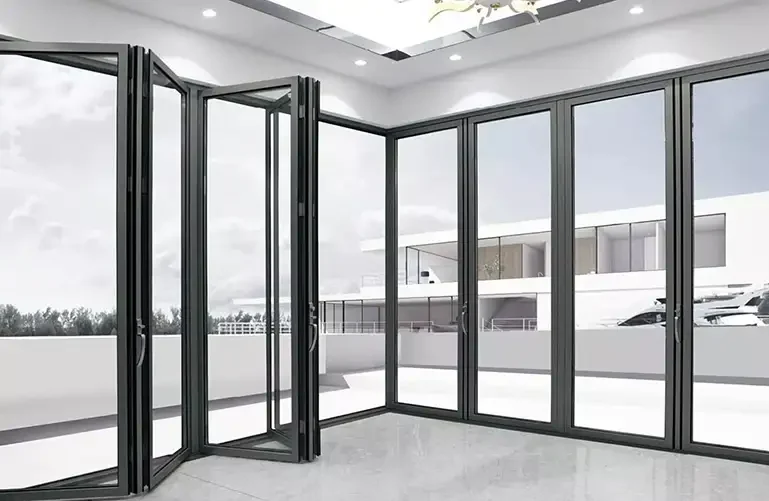
Folding Doors: Best for cafes, lounges, and large openings.
Partitions and Cabins: Aluminum and glass walls are used to create functional and visually connected office spaces while ensuring privacy with options like frosted glass or privacy films.
Storefronts and Façades: The primary goal is visibility, safety, and security. Curtain wall systems help support large glass elevations with controlled movements, suitable for taller buildings.
Popular Designs and Trends in 2026
The key to modern aluminum and glass works lies in clean lines, simplicity, and superior performance. The most popular design trends in 2026 are characterized by:
Minimalistic Designs: Simple frames that complement the overall architecture.
Frosted and Tinted Glass: Offers privacy without blocking light, ideal for meeting rooms and financial offices.
Matte Black Frames: A popular choice for commercial buildings, as they blend well with wood, stone, and neutral color schemes.
Tip: Sealing and Drainage—A crucial aspect of long-term durability. Even the most stylish installations can fail if not properly sealed or drained.
Different Types of Glass and How to Choose
The glass you choose will depend on the specific needs of the space. Some key considerations include:
Safety: Glass must be strong enough to withstand impact in high-traffic areas.
Privacy: Depending on the space's use, you may need tinted, frosted, or laminated glass.
Soundproofing: Double-glazed windows are excellent for noise reduction.
Types of Glass:
Toughened (Tempered) Glass: Common for doors, partitions, and shopfronts due to its strength and heat resistance.
Laminated Safety Glass: Used for security upgrades, as it stays intact even after impact.
Double Glazing: Provides better heat and sound insulation, making it ideal for busy roads or noisy environments.
Frosted, Tinted, and Reflective Glass: These options offer privacy, glare reduction, and energy efficiency.
Smart Glass: Ideal for high-end meeting rooms, as it can change its opacity for privacy on demand.
Quick Thickness Guide:
5 mm: Light interiors and smaller partitions.
8 mm: Most common for office partitions.
10 mm: Doors and heavy partitions.
12 mm: Large storefront panels.

Quality of Aluminum Profiles, Finishes, and Hardware
The profile and finish of aluminum are critical for the longevity and aesthetics of the system. Aluminum profiles come in various grades, with heavier profiles used for commercial projects to ensure durability.
Finishes:
Powder Coating: Available in various colors and textures, highly resistant to rust and wear.
Anodized Finish: Offers a metallic appearance, often used in high-end facades.
Importance of Hardware:
Rollers, hinges, and locks: The hardware used for these systems impacts their long-term functionality. Heavy-duty hardware minimizes maintenance needs and ensures smooth operation.
How Much Do Aluminum and Glass Work Cost?
The cost of aluminum and glass systems varies depending on several factors, including:
-
Size and Complexity: Large spans, unique shapes, or corner installations can increase costs.
-
Profile Thickness and System Type: Slimline, thermal-break, and heavy-duty systems have different price points.
-
Type of Glass: Tempered, laminated, or double-glazed glass will affect the price.
-
Hardware Quality: Higher-quality locks, rollers, and handles cost more.
-
Installation Conditions: Working in difficult conditions (e.g., heights, limited access) can increase the cost.
Tips for Getting a Quote:
Request a quote that specifies the profile series, glass type, hardware brand, sealing method, and warranty to avoid surprises later on.
Installation: Step-by-Step
-
Preparation: Site survey and measurements.
-
Fabrication: Custom creation of frames and glass panels.
-
Assembly and Installation: Putting together the components on-site, including alignment and sealing.
-
Final Checks: Ensuring smooth operation and sealing for long-term performance.
Frequently Asked Questions (FAQ)
Which is better: aluminum or uPVC?
Aluminum is generally the better choice for commercial buildings, especially for large openings, as it provides strength without the need for thick frames. uPVC can be a more economical option for residential spaces.
What is safer: tempered or laminated glass?
Both types are safe, but laminated glass is preferred in high-risk areas, as it stays intact even after being hit. Tempered glass shatters into small pieces, reducing the risk of injury.
How long does installation take?
Small office partition installations can take 1-2 days. However, storefronts and façade systems might take longer, depending on the complexity and access.
Does Double Glazing Reduce Noise and Heat?
Yes, double glazing is excellent for improving both comfort and energy efficiency, as it helps reduce noise and heat transfer.
What is the best thickness of glass for windows and partitions?
For partitions, 8 mm to 10 mm is common, while doors and storefronts typically require thicker panels for durability and safety.