
Electrical Installation Safety Standards: What Property Owners Must Know
Learn key electrical installation safety standards, legal duties, inspections, and fire prevention tips every property owner must know.
 sahisecurevolt
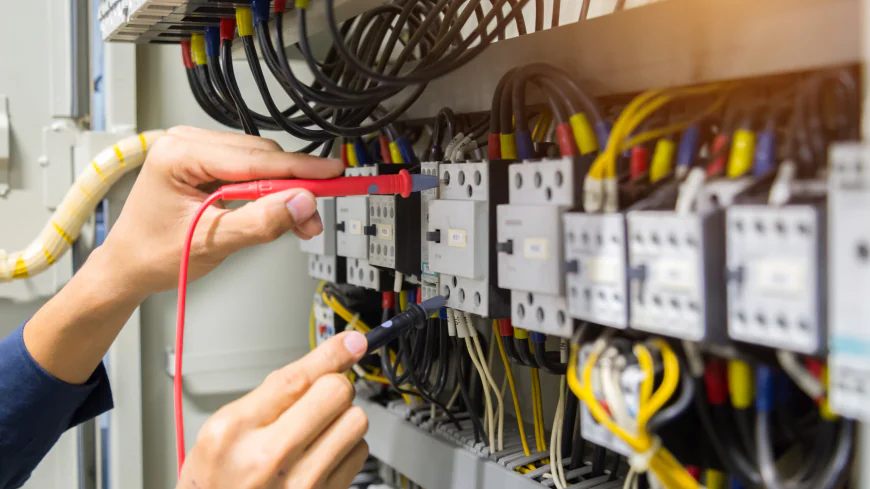
Electrical systems are the backbone of every modern property, powering lighting, appliances, heating systems, security equipment, and essential business operations. Whether you own a residential property, rental unit, office space, or industrial facility, understanding electrical installation safety standards is critical. Compliance is not just about meeting legal requirements; it is about protecting lives, preventing fire hazards, and ensuring long-term reliability.
Electrical faults are among the leading causes of property damage and accidental fires. Poor wiring, overloaded circuits, and outdated fuse boards can create serious risks if not properly installed or maintained. Property owners must ensure that every electrical installation meets current safety regulations and is carried out by qualified professionals.
Why Electrical Safety Standards Matter
Electrical safety standards are designed to reduce the risk of electric shock, short circuits, overheating, and system failure. These regulations guide electricians in installing wiring systems, distribution boards, circuit breakers, and earthing arrangements safely and efficiently.
Failure to comply with these standards can result in legal penalties, insurance issues, and costly repairs. More importantly, unsafe electrical installations can endanger occupants. Proper grounding, correct cable sizing, and safe load distribution are essential elements of a compliant system.
Protecting Occupants and Assets
A safe electrical installation protects both people and property. Modern safety standards focus on minimising risks through protective devices such as residual current devices, surge protection units, and properly rated circuit breakers.
Key safety objectives include:
-
Preventing electric shocks through proper insulation and earthing
-
Reducing fire risks caused by faulty wiring or overloaded circuits
When these safety measures are implemented correctly, the overall reliability and durability of the electrical system significantly improve.
Core Components of a Safe Electrical Installation
Understanding the main components of an electrical system helps property owners recognise the importance of professional installation and regular inspection.
Consumer Units and Distribution Boards
The consumer unit, often referred to as a fuse board, distributes electricity throughout the property. Modern units include miniature circuit breakers and residual current devices that automatically cut off power during a fault.
Upgrading outdated fuse boxes to modern distribution boards enhances safety and compliance. These units provide better fault detection and protect against electrical overload and short circuits.
Wiring and Cable Management
Electrical wiring must be correctly sized to handle the electrical load of the property. Undersized cables can overheat, leading to insulation damage and potential fire hazards. Proper cable routing, insulation, and secure fixing methods are essential to maintaining system integrity.
In both domestic and commercial properties, concealed wiring must follow safe zones within walls to avoid accidental damage during drilling or renovations. Clear labelling and structured cable management also simplify future maintenance.
Earthing and Bonding
Earthing systems protect occupants from electric shock by directing fault currents safely into the ground. Bonding connects metal parts such as water pipes and structural steel to the earth system, reducing voltage differences that could cause harm.
Without proper earthing and bonding, even minor faults can become dangerous. This is why electrical safety standards emphasise thorough testing and verification during installation.
Legal Responsibilities of Property Owners
Property owners have a legal duty to ensure that electrical systems are safe for occupants. Landlords, in particular, must conduct regular electrical inspections and provide certification confirming compliance with safety regulations.
Electrical Installation Condition Reports are commonly required to assess the condition of wiring, sockets, switches, and distribution boards. These reports identify defects, deterioration, or non-compliance issues that require corrective action.
For commercial premises, additional workplace safety regulations may apply. Business owners must ensure that electrical systems do not pose risks to employees or customers.
The Importance of Periodic Inspection and Testing
Electrical installations degrade over time due to wear and tear, environmental factors, and increased electrical demand. Periodic inspection and testing help identify potential hazards before they become serious problems.
During an inspection, qualified electricians examine:
-
Circuit protection devices and consumer units
-
Wiring condition, insulation resistance, and earthing continuity
Testing ensures that protective devices operate correctly and that circuits can safely handle their intended load. Addressing minor issues early prevents costly repairs and unexpected downtime.
Common Electrical Hazards Property Owners Should Watch For
Recognising early warning signs can prevent major electrical failures. Property owners should be alert to frequent circuit breaker trips, flickering lights, burning smells near sockets, or discoloured outlets.
Overloaded extension leads and improper use of adapters are also common hazards. Modern properties require sufficient power outlets to avoid unsafe workarounds. Investing in additional sockets and proper load balancing reduces strain on the system.
Water exposure is another risk factor. Electrical installations in bathrooms, kitchens, and outdoor areas must follow specific safety guidelines, including appropriate IP ratings and protective measures.
Upgrading to Meet Modern Safety Standards
Older properties often have outdated wiring systems that no longer meet current regulations. Aluminium wiring, ageing insulation, or old-style fuse boxes may need replacement.
Upgrading an electrical installation can improve energy efficiency, enhance protection against power surges, and support modern appliances and smart home technology. Surge protection devices, arc fault detection devices, and advanced circuit monitoring systems add extra layers of safety.
Professional service providers such as sahisecure volt understand how to assess older installations and recommend appropriate upgrades while maintaining compliance with safety requirements.
Choosing a Qualified Electrical Contractor
Selecting a certified and experienced electrician is essential for safe installation and compliance. Qualified professionals follow national wiring regulations, conduct thorough testing, and provide proper documentation upon completion.
Before hiring a contractor, property owners should verify certifications, insurance coverage, and references. A reputable electrician will explain the scope of work, outline safety measures, and ensure transparent communication throughout the project.
Attempting DIY electrical work can result in non-compliance, voided insurance policies, and serious safety risks. Professional installation guarantees that the system meets established standards and performs reliably.
Fire Prevention and Risk Reduction
Electrical faults are a major contributor to building fires. Safe installation practices significantly reduce this risk. Using high-quality components, ensuring correct cable sizing, and installing protective devices are key preventive measures.
Smoke detectors and fire alarm systems can be integrated with electrical systems for added protection. Routine maintenance further reduces the likelihood of overheating and short circuits.
By prioritising safety standards, property owners not only protect occupants but also preserve the structural integrity of their buildings.
Conclusion
Electrical installation safety standards are not optional guidelines; they are essential requirements designed to protect lives and property. From proper earthing and cable management to modern consumer units and periodic inspections, every component plays a critical role in maintaining a safe electrical system.
Property owners must understand their legal responsibilities, invest in professional installation, and schedule regular inspections to ensure ongoing compliance. Recognising early warning signs and upgrading outdated systems further enhances safety and reliability.
By adhering to established electrical regulations and working with qualified professionals, property owners can create secure, efficient, and future-ready electrical systems. Prioritising safety today prevents costly damage and dangerous incidents tomorrow, ensuring long-term peace of mind for everyone who uses the property.