
What is the Difference Between Fiber Cable vs. Copper Cable?
Learn how fiber and copper cables differ and which is best for your home or office. Get reliable copper cables from Universal Cables in Pakistan.
 jamesdean
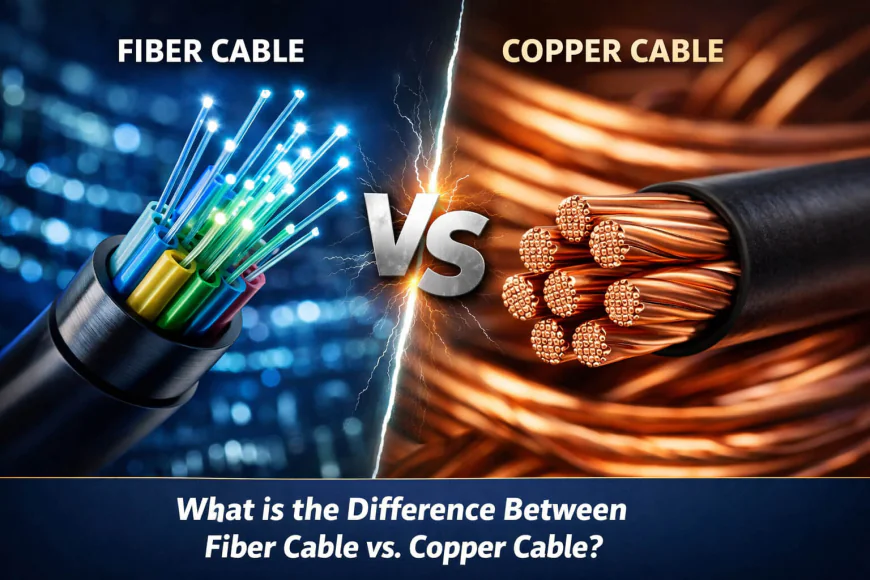
Let’s be honest, most of us don’t think much about cables. We just want the internet to work, videos to load fast, and calls to stay connected. But behind all that smooth browsing and streaming is something very important: the cable.
If you’ve ever heard someone say, “Fiber is faster than copper,” and wondered what that actually means, you’re not alone. Fiber cable and copper cable are the two main types of cables used for the internet and networking today, and they work in very different ways.
So, what’s the real difference between fiber cable vs. copper cable? Which one should you choose? And does it really matter for everyday use?
Let’s break it down.
What Is a Copper Cable?
Copper cables are old school classics. They have been around for a long time and are still widely used today. If you have ever used a landline phone, Ethernet cable, or cable TV connection, chances are you’ve used a copper cable.
Copper cables are made up of copper wire. These wires send data using electrical signals.
You’ll commonly see copper cables as:
- Ethernet cables.
- Telephone wires.
- Coaxial cables for TV.
They’re popular because they’re affordable, easy to install, and get the job done for most basic needs.
What Is a Fiber Cable?
Fiber cable, also called fiber optic cable, is the modern upgrade. Instead of copper wires, fiber cables use very thin strands of glass or plastic.
Here’s the cool part: fiber cables send data using light. Yes, actual light beams! These light signals travel super fast and don’t lose much strength along the way.
Fiber cables are commonly used by internet service providers, large offices, and data centers, as well as in any location where fast, reliable internet is needed.
Which One Is Faster?
Speed is usually the first thing people ask about.
Copper Cable Speed:
Copper cables can be quite fast, especially newer Ethernet cables. They work well for browsing, emails, and even streaming. But there’s a limit to how fast electricity can carry data, especially over longer distances.
Fiber Cable Speed:
Fiber cables are on another level. Since they use light, they can handle much higher speeds and more data at the same time. This is why fiber is perfect for video calls, online gaming, cloud storage, and heavy internet use.
In simple terms: If speed is a race, copper is a bicycle; and fiber is a sports car.
How Far Can the Signal Travel?
Distance matters more than you might think.
Copper Cable Distance:
Copper cables are great for short distances, such as inside a home or a small office. But as the cable gets longer, the signal gets weaker. This can cause slower speeds or connection issues.
Fiber Cable Distance:
Fiber cables can carry data over very long distances without losing signal quality. That’s why they’re used for city-wide internet networks and undersea cables connecting countries.
Bottom line: Copper works best for short distances. Fiber is built for the long haul.
What About Interference and Stability?
Ever noticed that your internet slows down when there are too many devices around? Interference might be the reason.
Copper Cable Interference:
Since copper cables use electricity, they’re affected by: Electrical noise, power lines, and other electronic devices. This can cause signal interference and reduce performance.
Fiber Cable Interference:
Fiber cables don’t have this problem. Light isn’t affected by electrical interference, which means fiber connections stay stable and smooth, even in busy environments.
Is Fiber More Secure Than Copper?
Yes, and this is a big deal, especially for businesses.
Copper Cable Security:
Copper cables can be tapped more easily, enabling data interception without detection.
Fiber Cable Security:
Fiber cables are much harder to tap. If someone tries, it usually causes a signal break that’s easy to detect. Plus, fiber doesn’t carry electricity, making it safer overall.
Installation: Which One Is Easier?
Copper Cable Installation:
Copper cables are simple to install. Many technicians know how to work with them, and they don’t require special tools. Repairs are usually quick and cheap, too.
Fiber Cable Installation:
Fiber installation needs trained professionals and special equipment. It’s more delicate and can cost more upfront.
So yes, copper is easier at first, but fiber offers better performance in the long run.
Which One is Easy On The Budget?
Copper Cable Cost:
Copper cables are usually cheaper. That’s why they’re still widely used in homes and small businesses.
Fiber Cable Cost:
Fiber used to be very expensive, but prices have dropped a lot. While installation can still cost more, many people see fiber as a long-term investment.
Which One Lasts Longer?
Copper Cable:
Copper cables can wear out over time and are affected by heat, moisture, and corrosion.
Fiber Cable:
Fiber cables last longer and don’t rust or corrode. However, they need careful handling because they can break if bent too sharply.
So, Which One Should You Choose?
Choose Copper Cable If:
- You’re on a budget.
- You need a simple setup.
- Your internet use is basic.
- The distance is short.
Choose Fiber Cable If:
- You want fast and stable internet.
- You stream, game, or work online a lot.
- You need long-distance connections.
- You want future-ready technology.
Where to Buy Copper Cables?
If you’re looking for high-quality copper cables, Universal Cables is a name you can trust. As a leading copper electric cable manufacturers in Pakistan, they are known for producing cables that meet international quality and safety standards.
Their copper cables are widely used in homes, offices, industries, and large infrastructure projects across the country. With years of experience and a strong reputation, Universal Cables ensures durability, reliability, and consistent performance across its products.
Whether you’re setting up a small home network or a large industrial project, their copper cables provide safe and efficient solutions for all your wiring needs.
Wrapping it up
In short,
| Feature | Copper Cable | Fiber Cable |
|---|---|---|
| Signal Type | Electrical | Light |
| Speed | Moderate | Very high |
| Distance | Short | Long |
| Interference | Can be affected | No interference |
| Security | Less secure | Highly secure |
| Installation Cost | Lower | Higher |
| Best For | Basic home use | High-speed, heavy use |
Don’t settle for less! Choose Universal Cables, the best electric cables in Pakistan. High-quality, safe, and reliable; perfect for every project.