From Scrap to Sustainability: How Unwanted Car Removal in Adelaide Supports a Greener Future
 catherinealex
Every year, thousands of vehicles reach the end of their life on Australian roads. Some are damaged in accidents. Some fail safety checks. Others simply become too costly to maintain. When a car can no longer run safely, it does not just disappear. It enters a system that plays a strong role in protecting the environment and supporting the local economy.
In Adelaide, this system is built around salvage yards, dismantlers, and metal recyclers. Many people see these yards as places filled with rust and broken machines. The truth is very different. These yards are important centres of recycling, resource recovery, and responsible waste control.
This article explores how old vehicles move from driveway to dismantling yard, how materials are recovered, and why this process matters for the future.
Learn more: https://www.carremovaladelaide.com.au/
Why End of Life Vehicles Matter
Australia has more than 20 million registered vehicles. Each year, a large number of them are retired. According to environmental reports, up to 90 percent of a vehicle can be recycled or reused when handled properly.
If abandoned or left untreated, old cars can cause serious harm. Fluids such as engine oil, brake fluid, and coolant can leak into soil and water. Batteries contain lead and acid. Tyres take many years to break down in landfill.
Proper removal and recycling prevents these problems. It also reduces the demand for raw materials such as iron ore and aluminium, which require energy intensive mining and processing.
The First Step: Collection and Assessment
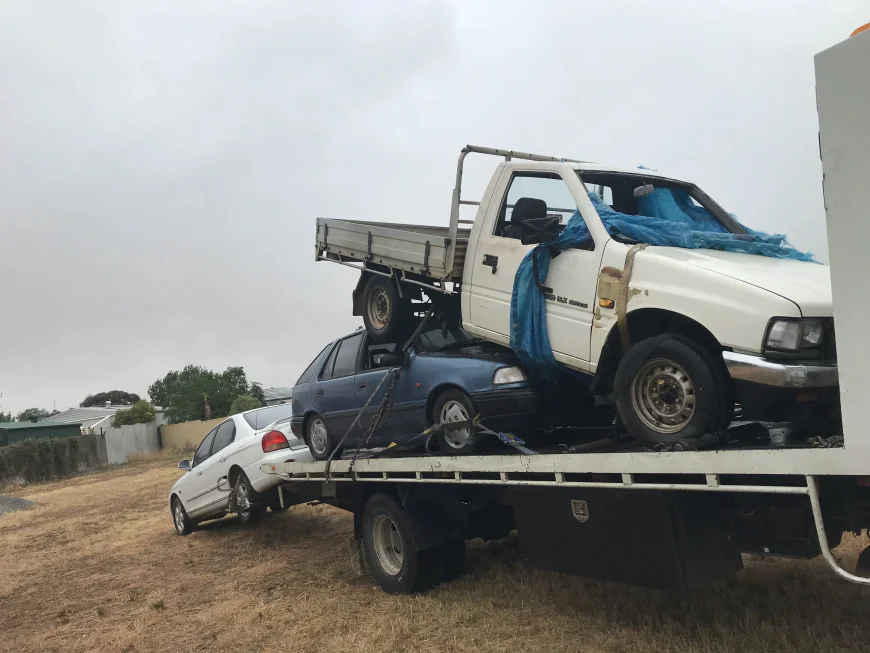
When a vehicle is no longer wanted, it is collected and transported to a salvage yard. At the yard, workers inspect the vehicle. They check which parts can be reused and which materials can be recycled.
Reusable parts often include:
-
Engines and gearboxes
-
Alternators and starters
-
Doors and mirrors
-
Radiators
-
Electronic modules
Parts that are still in working condition are cleaned and tested. These parts are then sold to repair other vehicles. This practice reduces the need to manufacture new parts, which saves energy and lowers emissions.
Safe Removal of Hazardous Materials
Before dismantling begins, all harmful fluids and components must be removed. This stage is critical for environmental protection.
Fluids drained from vehicles include:
-
Engine oil
-
Transmission fluid
-
Brake fluid
-
Coolant
-
Fuel
These fluids are stored in sealed containers and sent for treatment or recycling. Car batteries are removed and sent to specialist recycling plants. Lead from batteries can be reused many times without losing quality.
Air conditioning gases are also recovered. These gases can damage the atmosphere if released. Proper handling prevents air pollution.
Dismantling and Parts Recovery
After fluids are removed, workers begin dismantling the vehicle. This process requires skill and careful planning. Each part must be removed without damage.
Modern vehicles contain a mix of materials such as steel, aluminium, copper, plastic, and glass. Many of these materials can be reused. Steel is one of the most recycled materials in the world. Recycling steel uses far less energy than producing it from raw ore.
Catalytic converters are another important item. They contain precious metals such as platinum, palladium, and rhodium. These metals are recovered and refined for reuse.
This stage shows how old vehicles still hold economic and environmental importance.
Crushing and Metal Recycling
Once usable parts are removed, the remaining shell is crushed. The crushed metal is transported to recycling facilities where it is shredded and sorted.
Magnets separate steel from other metals. Aluminium and copper are separated using other methods. Each material is processed and prepared for reuse in manufacturing.
Recycled metal can be used to produce new cars, building materials, appliances, and tools. This reduces the need for mining and lowers greenhouse gas emissions linked to raw material extraction.
Environmental Impact of Car Recycling
Vehicle recycling plays a strong role in reducing waste. Studies show that recycling one tonne of steel saves over one tonne of iron ore and significant amounts of coal and limestone.
Recycling aluminium saves up to 95 percent of the energy required to produce it from raw bauxite ore. This results in lower carbon emissions.
Proper tyre recycling also reduces landfill pressure. Many tyres are processed into materials used in road construction and playground surfaces.
From Scrap to Sustainability: How Unwanted Car Removal in Adelaide Supports a Greener Future is not just a slogan. It reflects a real environmental process. Every recycled vehicle reduces pollution, saves energy, and conserves natural resources.
Economic and Community Impact
The automotive recycling industry creates jobs in towing, dismantling, metal processing, and parts sales. It supports mechanics, panel beaters, and vehicle owners who seek lower cost repair options through used parts.
Small workshops depend on recycled components to keep older cars running. This extends vehicle life and reduces the environmental cost of manufacturing new vehicles.
Local metal recycling facilities also rely on scrap supply. This keeps economic activity within the region and reduces reliance on imported materials.
Preserving Automotive History
Salvage yards often contain rare or older vehicles that are no longer in production. Car enthusiasts search these yards for hard to find components. In some cases, a rare part found in a yard can help restore a classic vehicle.
Older models hold historical value. They reflect design trends, engineering changes, and cultural shifts over time. Salvage yards therefore act as informal archives of automotive history.
Restoration projects often begin in these yards. A damaged vehicle may provide the missing piece that brings another car back to life.
A Practical Solution for Vehicle Owners
When a unwanted car removal adelaide becomes unsafe or uneconomical to repair, keeping it parked for years serves no purpose. It takes up space and may leak harmful fluids.
Services such as unwanted car removal adelaide provide a practical path for owners who wish to clear unused vehicles while supporting recycling efforts. When a vehicle enters the recycling chain, its parts and metals return to productive use instead of sitting idle. This connects private decisions with wider environmental goals, as responsible disposal supports cleaner land, reduced waste, and stronger resource recovery within the city.
The Future of Automotive Recycling
Modern vehicles contain more electronics and lighter materials than older models. This creates new challenges for recyclers. Electric vehicles include lithium ion batteries that require special handling.
Recycling methods continue to develop to manage these changes. Research focuses on improving recovery rates for plastics and rare earth metals used in electronic systems.
As vehicle technology evolves, recycling practices must adapt. The goal remains clear: recover as much material as possible while protecting the environment.
Conclusion
Unwanted vehicles are not useless machines. They are collections of reusable parts and recyclable materials. When handled through proper removal and dismantling systems, they support environmental protection, conserve natural resources, and sustain local industry.
Adelaide’s automotive recycling network plays an important role in this process. From fluid removal to metal recovery, each step contributes to cleaner land, lower emissions, and responsible resource use.
The journey from wreck to reuse shows that even at the end of the road, a vehicle still has purpose.