Glass Partition Wall: The Modern Office Upgrade That Makes Spaces Look 2x Bigger
Discover how glass partition walls make offices look bigger and brighter. Compare types, costs, soundproofing options, and expert buying tips.
 alisonsummit1990
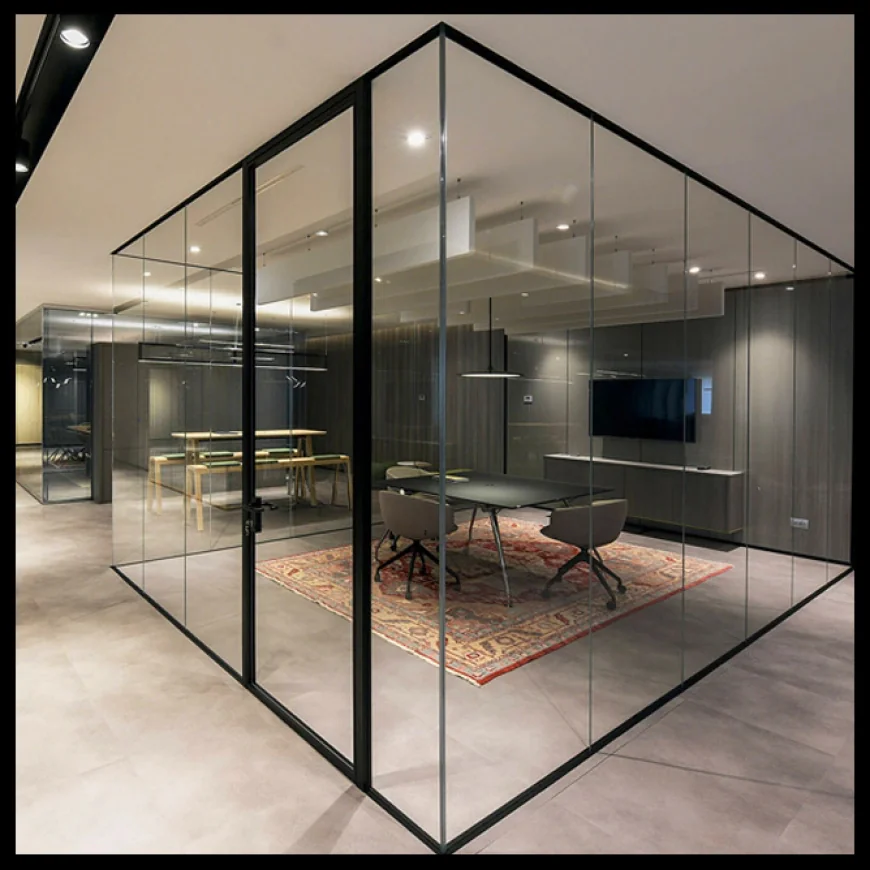
In 2026, commercial interiors are leaning hard into natural light, acoustic control, flexible layouts, and human-centered design. That is a big reason glass systems keep showing up in modern fit-outs and renovations. Recent office design reports also point to quiet zones, adaptable work areas, and better daylight flow as top priorities this year.
What Is a Glass Partition Wall?
A glass partition wall is an interior wall system made with glass panels that divides space without making it feel closed off. It is different from a temporary divider or a low cubicle because it creates a more defined boundary and usually looks far more polished.
We install and specify these systems in offices, conference rooms, clinics, salons, showrooms, reception areas, and even modern homes. Some are fixed in place. Others slide, fold, or include doors.
The big appeal is simple: you still get separation, but you keep the light, openness, and clean visual lines people want in modern interiors. That mix of brightness and flexibility is a major reason glass partitions will continue to trend in 2026 commercial designs.
Top Benefits and When Glass Is a Bad Idea
A well-planned glass partition wall solves more than one design problem at once. In real projects, we usually see these benefits first:
More natural light across the floor plan
A brighter, more open feel without removing room boundaries
A clean, modern look that feels premium to clients and staff
Better zoning for teams, meeting rooms, receptions, and private cabins
Easier cleaning than fabric panels or bulky cubicle systems
Strong durability when the right safety glass and hardware are used
A space that often feels larger because sightlines stay open
That said, glass is not magic. There are times when it is the wrong choice.
It may not be ideal if you need total visual privacy, unless you add frosted film, blinds, or switchable smart glass. It can also disappoint you if you expect library-level silence from a basic single-glazed setup.
In 2026, acoustic planning is one of the biggest issues in office design because people want quiet rooms for calls and focused work. Glass can help, but only when the spec is right. Poor planning around sun glare, heat gain, or room placement can also make a beautiful installation less comfortable than expected.
Types of Glass Partition Walls
This is the section most buyers care about because the “best” option depends on how you use the room.
A) Frameless Glass Partition Wall
This style gives you the cleanest, most high-end look. The panels have minimal visible structure, so the wall feels light and nearly invisible.
C) Sliding Glass Partition Wall
This is the move when floor space is tight. Sliding systems save swing space and let one room change function quickly.
Best for: multipurpose rooms, training rooms, compact offices, adaptable layouts
A sliding setup works especially well when a room needs to open up for a meeting, workshop, or event and then close again for privacy.
D) Frosted, Etched, or Film Glass Partitions
These give privacy without blocking daylight. Frosted film is usually the most budget-friendly. Etched glass feels more custom. Decorative film can also add branding.
Best for: clinics, HR rooms, meeting rooms, consultation spaces
If budget matters, film is often the smartest way to get the look without paying for fully customized glass.
E) Acoustic Glass Partitions
Not all “acoustic” claims mean the same thing. In real terms, acoustic glass is about reducing distraction, limiting sound transfer, and making speech inside the room clearer. Single-glazed systems can help a little. Double-glazed systems with good seals help much more.
Best for: conference rooms, call zones, focused work areas
This is where specification matters. The glass alone is not enough. Perimeter seals, door seals, and installation quality all affect the result.
F) Smart Glass Partitions
These switch from clear to opaque in seconds. They are premium, sleek, and attention-grabbing.
Best for: boardrooms, luxury offices, executive suites, modern clinics
Smart glass is not the cheapest route, but for some brands it creates a serious wow factor and instant privacy. Recent 2025–2026 trend coverage also shows rising interest in smart glass and privacy film for commercial interiors.
Industry guides published in 2025 and 2026 also note that custom shapes, tall panels, and specialty hardware quickly push costs up.
Cost-saving tip: Keep sizes standard, reduce custom angles, and use quality film instead of etched or switchable glass if the budget is tight. In our experience, those three choices protect the look without wrecking the budget.

Privacy + Soundproofing: How to Get the Result You Actually Want
The right glass partition wall should match your privacy goal, not just your design taste.
For visual privacy, your best options are
Frosted film
Partial frosting or horizontal banding
Integrated blinds or curtains
Smart glass for instant clear-to-opaque switching
For sound control, look at:
Laminated glass
Double-glazed systems
Proper perimeter seals
Quality doors with drop seals
This is where many buyers get caught out. They choose a beautiful wall, then expect strong sound isolation from a basic system.
That rarely happens. Acoustic performance comes from the full assembly, not just the panel itself. Safety and performance guidance published recently also highlights laminated glass, double-glazing, and proper seals as key decisions for better real-world results.
FAQs
1) Is a glass partition wall good for offices?
Yes. A glass partition wall for office layouts helps create meeting rooms, cabins, and zones without making the office feel dark or boxed in. It is especially useful when you want openness and a polished look.
2) How much does an office glass partition wall cost?
The price of an office glass partition wall depends on size, framing, door type, privacy features, glass thickness, and installation complexity. Frameless and acoustic systems usually cost more than simple framed options.
3) Are glass partitions safe?
Yes, when the right safety glass is specified. Most commercial interiors use tempered, laminated, or combined safety glazing depending on traffic, height, and risk level.