How Cloud IT Solutions Can Drive Scalability and Cost Efficiency
 jamesthomas
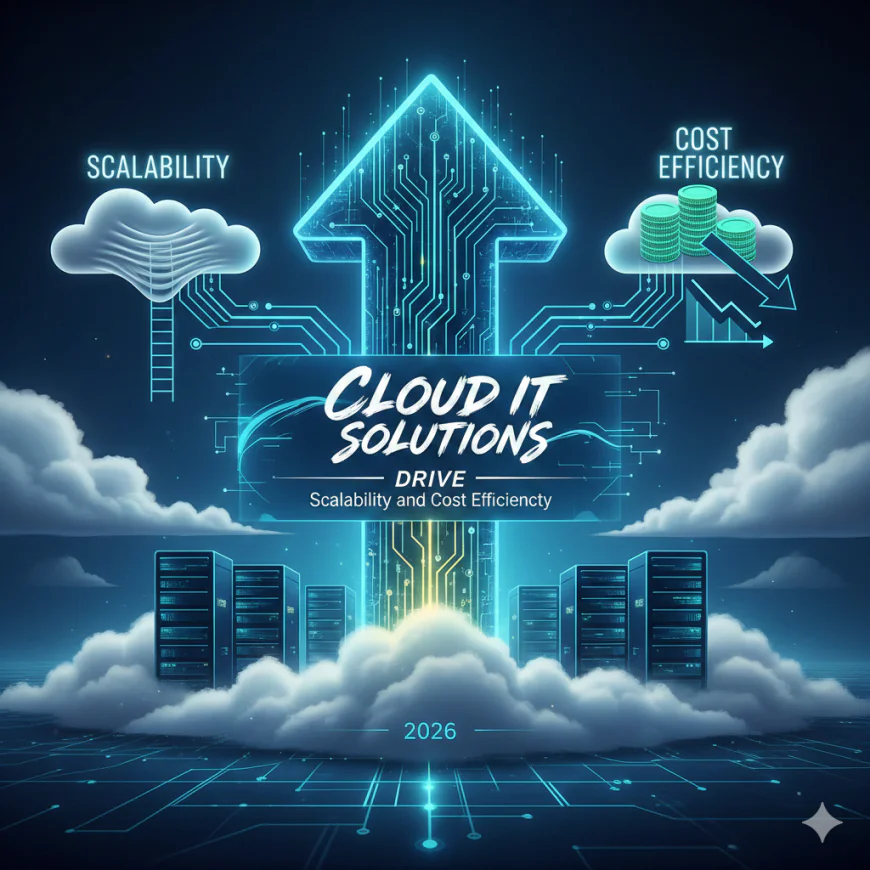
In today’s fast-paced business environment, organizations are constantly seeking ways to scale their operations while keeping costs under control. The need for flexibility, efficiency, and innovation is greater than ever. This is where Cloud IT Solutions come into play. By leveraging cloud technology, businesses can not only scale more easily but also achieve significant cost savings. In this article, we’ll explore how Cloud IT Solutions can drive scalability and cost efficiency, enabling businesses to stay competitive and future-proof their operations.
What Are Cloud IT Solutions?
Cloud IT Solutions refer to a wide range of computing services provided over the internet, allowing businesses to access and manage IT resources without having to rely on on-premises hardware and infrastructure. These solutions include everything from cloud storage and computing power to software-as-a-service (SaaS) applications and cloud-based networking.
Rather than investing in physical infrastructure, companies can use cloud services to run their operations more efficiently. This reduces the need for large capital expenditures and offers businesses the flexibility to scale their resources as needed.
In fact, according to a Flexera report, 94% of businesses already use some form of cloud services, with 79% of companies reporting that the cloud helps them reduce IT costs. Cloud IT solutions offer businesses the agility to respond to changing demands, making them a cornerstone of modern IT strategies.
How Cloud IT Solutions Drive Scalability
Scalability is one of the key benefits of Cloud IT Solutions, allowing businesses to expand their IT infrastructure quickly without the need for large upfront investments. Here’s how cloud services enable businesses to scale efficiently:
1. On-Demand Resources
One of the most significant advantages of the cloud is the ability to scale resources on-demand. Unlike traditional IT infrastructure, which requires businesses to buy hardware and software in advance, the cloud allows businesses to scale up or down based on their needs in real time.
For example, if a company experiences a surge in website traffic or needs additional computing power during peak periods, they can easily add resources such as virtual machines or additional storage without having to purchase new hardware. Similarly, if demand drops, they can scale down to save costs.
According to Gartner, by 2026, 75% of enterprises will use cloud platforms as their primary means of expanding their infrastructure, further demonstrating the growing trend toward cloud-based scalability.
2. Global Reach and Remote Access
Cloud IT solutions also provide businesses with the ability to expand their reach globally without the need for physical infrastructure in each location. With cloud computing, teams can collaborate from anywhere in the world, accessing the same data, applications, and services in real time. This flexibility allows companies to hire talent across borders and expand their operations into new regions without the overhead of managing multiple data centers.
In addition, cloud providers typically have a global network of data centers, ensuring that businesses can offer their services with minimal latency and high performance to customers worldwide. For example, a company based in the United States can use cloud services to serve customers in Europe, Asia, and beyond, all while maintaining consistent service levels.
3. Flexibility to Meet Changing Business Needs
Business environments are dynamic, and companies need the flexibility to adapt quickly to changing market conditions. Cloud IT solutions provide the agility required to meet these demands. Whether it’s launching new products, entering new markets, or adjusting to fluctuating demand, the cloud enables businesses to respond with speed and efficiency.
By adopting cloud-based infrastructure, companies can scale their operations seamlessly. For example, during seasonal spikes, businesses can increase storage or processing power without the risk of underutilizing resources during off-peak periods. This level of flexibility helps businesses stay nimble and resilient in a rapidly changing environment.
How Cloud IT Solutions Drive Cost Efficiency
Along with scalability, Cloud IT Solutions also offer significant cost savings, making them a highly attractive option for businesses. Here’s how:
1. Reduced Capital Expenditures
Traditionally, businesses had to invest heavily in IT infrastructure, including servers, data storage devices, and network equipment. These capital expenditures can be a significant burden, especially for small and medium-sized businesses (SMBs). However, with cloud services, businesses only pay for the resources they use, converting large upfront costs into manageable operational expenses.
By moving to the cloud, businesses can reduce the need for purchasing and maintaining on-premises hardware. This helps businesses avoid the costs associated with equipment depreciation, maintenance, and upgrades. Additionally, cloud providers handle the maintenance and updates, further reducing the burden on internal IT teams.
2. Pay-As-You-Go Pricing Model
One of the most attractive features of Cloud IT Solutions is the pay-as-you-go pricing model. Instead of paying for fixed hardware and software, businesses only pay for the services they use, based on their consumption. This pricing model ensures that businesses only incur costs when they need additional resources, and they can scale back during quieter periods.
For example, companies can choose to scale their computing power or storage capacity based on actual demand, rather than committing to expensive infrastructure that may sit idle for long periods. This model provides a level of cost predictability, allowing businesses to better manage their IT budgets and avoid unnecessary expenses.
A Forbes study found that businesses that adopted cloud solutions reduced their IT costs by 30-50%, making it a compelling option for businesses looking to cut costs while maintaining flexibility.
3. Increased Operational Efficiency
By leveraging cloud services, businesses can streamline their IT operations and reduce the time spent on routine tasks. Cloud providers handle many of the complex tasks associated with managing IT infrastructure, such as patching, updates, and security monitoring. This allows businesses to focus on their core operations, improving overall productivity.
For example, businesses using cloud-based software solutions like Salesforce or Microsoft 365 can integrate their sales, marketing, and customer support functions into a single platform, reducing redundancies and improving workflow efficiency. Additionally, automated backup and disaster recovery services in the cloud can help businesses reduce the time and resources spent on data management and recovery.
Conclusion:
In 2026 and beyond, Cloud IT Solutions will continue to play a pivotal role in helping businesses drive scalability and cost efficiency. By offering on-demand resources, global reach, flexibility, and cost-effective pricing models, the cloud empowers businesses to scale their operations quickly and respond to changing market conditions. The move to the cloud is not just a trend; it’s a strategic decision that enables businesses to grow, innovate, and stay competitive.
For businesses looking to reduce their IT costs, improve operational efficiency, and expand their reach, adopting Cloud IT Solutions is an investment that will pay off in both the short and long term. Whether you’re a small startup or a large enterprise, the cloud provides the tools and flexibility you need to succeed in an increasingly digital world.