
How Digitizing Designs for Machine Embroidery Improves Stitch Accuracy
Learn how digitizing designs for machine embroidery improves stitch accuracy, controls stitch placement, and reduces production errors.
 digitizing
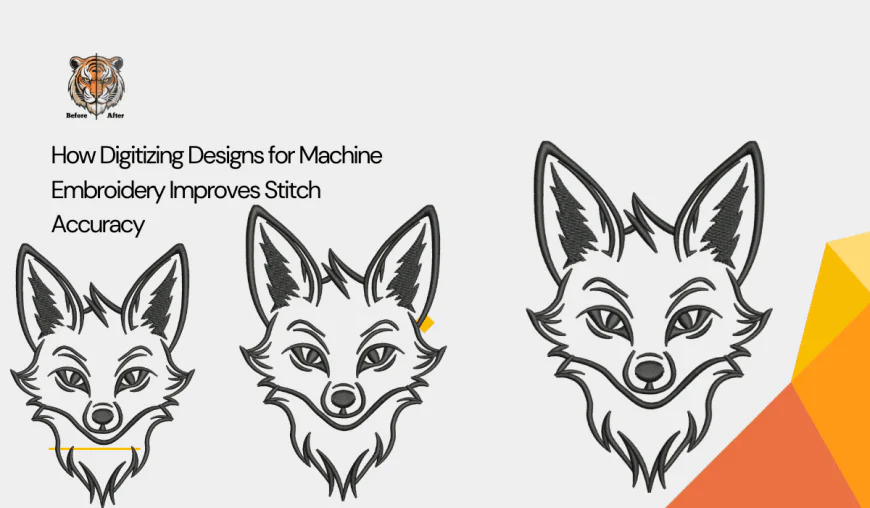
Digitizing designs for machine embroidery plays a critical role in controlling stitch accuracy during embroidery production. Embroidery machines rely entirely on digital stitch files, which means the precision of digitizing designs for machine embroidery directly determines how accurately stitches are placed, aligned, and executed on fabric.
When stitch accuracy is improved, embroidery becomes cleaner, more consistent, and easier to reproduce across multiple garments and production runs.
What Stitch Accuracy Means in Embroidery
Stitch accuracy refers to how closely stitched embroidery matches the intended design. This includes correct stitch placement, consistent spacing, clean edges, and proper alignment of design elements.
Inaccurate stitches can cause uneven borders, misaligned text, and poor overall design appearance, even if high-quality machines are used.
Role of Digitizing in Stitch Placement
Digitizing controls the exact position of every stitch. During digitizing, stitch paths are planned so that stitches follow design outlines and fill areas evenly.
Accurate stitch placement ensures logos and text remain sharp and readable, especially in small or detailed designs.
Stitch Direction and Alignment Control
Stitch direction affects how embroidery looks and behaves on fabric. Poorly aligned stitches can cause irregular texture and uneven surfaces.
Digitizing designs for machine embroidery improves stitch accuracy by planning stitch direction carefully, ensuring stitches align consistently and reduce fabric distortion during stitching.
Density Planning for Balanced Coverage
Stitch density directly affects how evenly stitches cover fabric. Excessive density can lead to overlapping stitches and thread breaks, while low density can leave gaps.
Proper digitizing balances density to achieve full coverage without compromising stitch precision or fabric integrity.
Underlay Stitches and Stability
Underlay stitches support top stitches and stabilize fabric. Without proper underlay, stitches may shift, sink into fabric, or lose alignment.
Digitizing ensures underlay stitches are correctly placed to improve stitch stability and maintain consistent stitch positioning throughout the design.
Fabric-Specific Adjustments for Accuracy
Different fabrics respond differently to stitching. Stretchy fabrics, thick materials, and structured garments all affect stitch behavior.
Digitizing designs for machine embroidery includes fabric-based adjustments such as pull compensation and density changes, helping stitches stay aligned and accurate during production.
Sequencing and Stitch Order
Stitch sequencing determines the order in which stitches are applied. Poor sequencing can cause overlaps, misalignment, or unnecessary trims.
Technical digitizing plans stitch order logically, improving stitch accuracy and reducing disruptions during embroidery runs.
Machine Control and Error Reduction
Accurate digitizing helps machines operate smoothly. Clean stitch paths and proper sequencing reduce thread breaks, tension issues, and machine stoppages.
This leads to more predictable stitching results and fewer production errors.
Consistency Across Multiple Runs
One of the main benefits of accurate digitizing is repeatability. Once a design is digitized correctly, it can be stitched consistently across multiple garments and production batches.
This consistency is especially important for branded apparel and logos where uniform appearance matters.
Quality Review and Testing
Professional digitizing includes reviewing stitch files for accuracy before production use. Visual checks and technical evaluations help confirm stitch alignment and spacing.
Testing ensures that digitized designs perform accurately under real embroidery conditions.
Conclusion
Digitizing designs for machine embroidery improves stitch accuracy by controlling stitch placement, direction, density, and sequencing. Each technical decision made during digitizing affects how precisely stitches are executed on fabric.
Businesses that invest in accurate digitizing achieve cleaner embroidery, reliable production, and consistent results across all embroidered products.
FAQs About Stitch Accuracy and Digitizing
Does digitizing affect stitch accuracy directly?
Yes. Stitch accuracy depends entirely on the digitized file.
Can embroidery machines correct inaccurate digitizing?
No. Machines follow stitch files without adjustment.
Is stitch accuracy important for simple designs?
Yes. Even simple designs require precise stitch placement.
Does accurate digitizing reduce revisions?
Yes. Better stitch accuracy leads to fewer corrections and rework.