
How Has Pink Salt Price in International Market Evolved Recently?
The pink salt price in the international market trade is determined by a complex network of supply capacity, consumer demand, freight charges, quality standards, and currency movements.
 navicoads
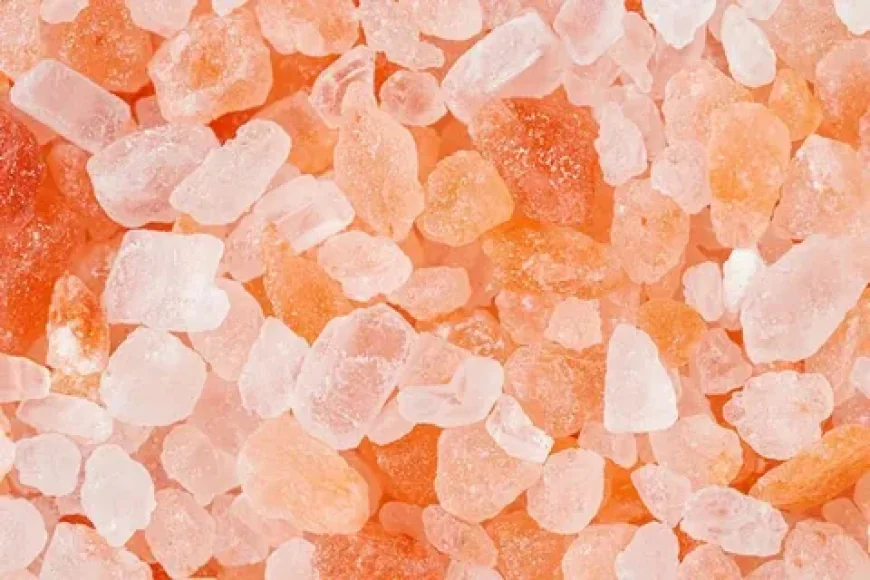
Pink salt has transformed from a regional mineral product into a globally traded specialty commodity. Its natural blush color, trace mineral content, and association with wellness trends have contributed to rising global demand. As a result, the pink salt price in international market environments has become an important topic for exporters, importers, retailers, and food manufacturers. Pricing is influenced by supply chains, trade policies, consumer demand, and logistical considerations that extend far beyond the mining sites.
Global Supply and Export Foundations
The majority of the world’s pink salt originates from large deposits in Pakistan. One of the most significant production sites is the Khewra Salt Mine, which has been operational for centuries and supplies substantial quantities annually. The scale of these reserves provides a strong production base that supports consistent exports to multiple continents.
International pricing begins with extraction and processing costs in the exporting country. Mining operations require labor, machinery, and energy resources, all of which contribute to the base export rate. While production costs remain relatively stable due to abundant reserves, fluctuations in fuel prices and operational expenses can cause slight adjustments in export pricing.
Demand Patterns Across Continents
Consumer trends play a significant role in shaping global prices. In North America and Europe, pink salt is often marketed as a natural alternative to refined table salt. Health-conscious consumers and gourmet chefs prefer it for its perceived purity and visual appeal. This steady demand supports premium pricing in supermarkets and specialty food stores.
In parts of the Middle East and Asia, pink salt is used not only for cooking but also for decorative items and wellness products. Salt lamps, bath salts, and spa-related products have expanded the international customer base beyond the food industry. As these segments grow, the pink salt price in the international market reflects broader commercial applications.
Economic stability in importing countries also influences demand levels. When disposable income rises, consumers are more likely to purchase premium food products and decorative items, strengthening global sales and sustaining price levels.
Freight Charges and Logistics
Transportation is one of the most influential components of international pricing. Shipping pink salt from South Asia to North America, Europe, or other regions involves sea freight, port handling charges, and inland distribution expenses. Fluctuations in global fuel prices and container availability directly affect landed costs for importers.
During periods of global supply chain disruptions, freight rates can increase sharply, pushing up overall costs. In such cases, even if the base export price remains stable, the pink salt price in international market retail settings may rise due to higher shipping expenses. When logistics conditions improve, pricing tends to stabilize.
Import duties and customs clearance requirements vary by country. Some nations impose tariffs on mineral products, while others have trade agreements that reduce import taxes. These regulatory differences can create noticeable price variations between markets.
Product Grades and Value Addition
International buyers request different grades of pink salt depending on intended use. Fine food-grade salt with consistent grain size and vibrant color typically commands higher prices. Industrial-grade salt, which may have a less uniform appearance, is generally more affordable in bulk transactions.
Value-added products significantly influence global pricing structures. Cooking slabs, salt blocks, bath salts, and decorative lamps often sell at much higher prices than raw crystals. The additional craftsmanship, packaging, and branding involved in these products elevate their market value.
Premium packaging also affects international pricing. Products designed for high-end supermarkets often come in grinders, glass jars, or resealable pouches with detailed labeling. These packaging enhancements increase production costs but allow retailers to position the product at a higher price point.
Currency Exchange and Market Dynamics
Exchange rate movements play a vital role in international trade. Since most export contracts are conducted in major currencies like the US dollar, changes in currency value can influence both exporter revenue and importer expenses. A favorable exchange rate for exporters can make pink salt more competitively priced abroad, potentially increasing global demand.
Inflation and economic shifts in importing countries may also affect purchasing patterns. During periods of economic growth, demand for specialty food items often rises. In contrast, during economic slowdowns, consumers may prioritize essential goods, slightly impacting premium product sales.
Competitive pressure from alternative specialty salts can further shape pricing strategies. While Pakistan remains the leading source of Himalayan pink salt, other mineral salts from different regions compete for shelf space in international markets. This competition encourages exporters to maintain consistent quality and reasonable pricing.
Long-Term Outlook in Global Trade
The future of pink salt in global markets appears steady and promising. Increasing awareness about natural and minimally processed ingredients supports sustained consumer interest. E-commerce growth has also expanded international access, allowing smaller retailers to source directly from exporters.
Advancements in mining technology and packaging innovation may help manage production costs efficiently. Improved shipping infrastructure and stabilized freight rates could further contribute to predictable pricing trends. However, global economic conditions and energy prices will continue to influence transportation expenses and overall market dynamics.
In conclusion, the pink salt price in the international market trade is determined by a complex network of supply capacity, consumer demand, freight charges, quality standards, and currency movements. While short-term fluctuations may occur, the strong global appeal of this mineral product supports its long-term value. As health and wellness trends continue to shape consumer preferences, pink salt is likely to maintain its prominent position in international specialty food and lifestyle markets.