Instagram Ads Agency: How to Choose the Right Partner (Plus Costs & Red Flags)
Looking for an Instagram Ads Agency that delivers real growth? Learn about what agencies do, pricing models, expected results, red flags, and a hiring checklist to pick the right partner.
 alisonsummit1990
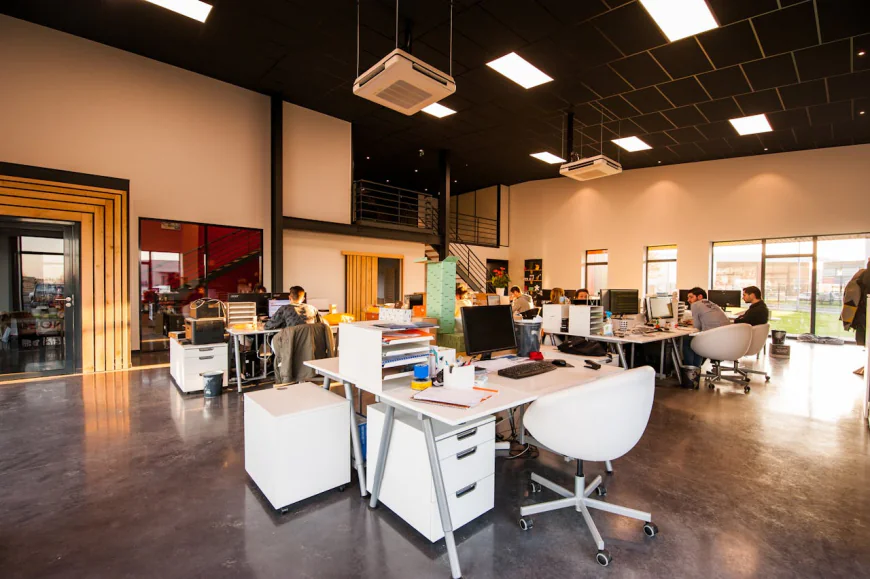
Instagram still has the “shopping mindset.” People scroll to discover, compare, and buy. That’s why paid campaigns can work fast for eCommerce brands, shopping malls, local services, and almost any website that needs attention and action.
The problem is simple: many brands burn budget on weak creatives, messy tracking, and set-and-forget optimizations. When that happens, they don’t just lose money—they lose time, momentum, and confidence.
This guide breaks down what an Instagram ads agency does, what it costs, what results look like in 2026, and how to spot warning signs before signing a contract.
What Is an Instagram Ads Agency?
An Instagram Ads agency is a team that plans, builds, and improves paid campaigns across Instagram placements (Feed, Stories, Reels, and Explore) using Meta’s ad platform. It’s a fit for brands that want predictable lead flow, sales, or store visits without guessing what to test next.
This kind of partner usually blends strategy, creative direction, media buying, and measurement. The best teams don’t just “run ads.” They build a repeatable system.
Agency vs freelancer vs in-house (quick comparison)
-
Agency: Wider skill set (strategy, creative, media buying, tracking) and more testing capacity.
-
Freelancer: Can be strong for execution, but usually limited creative volume and bandwidth.
-
In-house: Best when a brand can fund talent and has enough spend and creative needs to keep the team busy.
A quick rule of thumb: if a brand needs speed, volume, and cross-skill execution, an agency route is often the smoother path—especially when paid spend is meaningful.
What an Instagram Ads Agency Actually Does (Core Services)
These Instagram ads agency services typically fall into six practical buckets: Businesses should expect clear deliverables inside each bucket, not vague promises.
Strategy & account setup
A strong Instagram Ads agency starts with business goals (sales, leads, foot traffic, and app installs) and maps a simple funnel:
cold prospecting → retargeting → conversion
Then it sets campaign structure, naming rules, and measurement basics. This is where many accounts get fixed. If the structure is messy, testing becomes slow, and results become hard to explain.
In 2026, clean tracking matters even more as Meta continues to evolve attribution and reporting. The best partners build a measurement plan early, so everyone knows what “good” looks like.
Audience targeting
Modern meta delivery leans heavily on algorithmic matching, but targeting still needs structure. A good Instagram ads agency won’t overcomplicate it—they’ll keep it organized and testable.
Common buckets include:
-
Cold: broad and interest stacks, plus look-alikes when enough data exists
-
Warm: video viewers, page engagers, and website visitors
-
Hot: cart, checkout, lead form openers, and customer lists
Retargeting windows should match real buying cycles (7, 14, 30 days). A shopping mall campaign may need shorter windows for events. A B2B pipeline may need longer windows.
Creative production
Most wins come from creative, not “secret targeting.” This is where a true performance marketing agency earns its keep.
High-performing teams build a content engine that produces fresh ideas fast:
-
UGC-style video ads that feel native
-
Reels-first vertical formats (9:16)
-
Story frames with one message per screen
-
Carousels for collections, offers, and proof
Angles should be tested like offers: price, convenience, quality, social proof, urgency, bundles, seasonal drops, and “why now.”
For shopping malls, creatives often work best when they highlight:
-
events and experiences
-
store openings
-
limited-time promotions
-
family-focused weekends or seasonal themes
This is where a smart Reels ads strategy can outperform polished studio ads—because it blends in, grabs attention, and feels real.
Campaign management & optimization
A reliable Instagram Ads agency runs weekly testing sprints instead of making random changes. The process stays simple and disciplined:
-
test 3–8 new creatives per week (depending on spend)
-
isolate variables (hook, offer, format) so learnings are clear
-
scale budgets in steps, not spikes, to protect performance
In 2026, many advertisers lean into Advantage+ style automation. That can help, but experienced managers still monitor creative settings and placements to avoid brand-risky outputs or misleading “wins” that don’t hold.
This is what strong Instagram campaign management looks like: steady experimentation, clean notes, and smart scaling—not panic moves.
Landing page & conversion rate support
If the click lands on a slow, confusing page, ad performance dies. A good partner doesn’t need to fully rebuild a website, but they should fix obvious friction.
A capable Instagram Ads agency usually checks the following:
-
headline match (ad promise matches page promise)
-
mobile speed and layout
-
fewer form fields for leads
-
cleaner checkout steps for eCommerce
-
trust signals (reviews, returns, delivery info, guarantees)
Many brands are surprised by how often the “ad problem” is actually a landing page problem.
Reporting & attribution
Reporting should answer, "What happened, why, and what’s next?” Not just a spreadsheet.
Common KPIs include:
-
CAC / CPA
-
ROAS
-
MER (overall marketing efficiency)
-
LTV:CAC (great for subscriptions and repeat purchase brands)
For tracking, brands increasingly combine Pixels with the Conversions API to reduce data loss. A strong Meta ads agency will also use UTMs and compare platform data with analytics and backend sales to keep performance honest.
Instagram Ads Agency Pricing (What It Costs in Real Terms)
Pricing depends on spend, creative workload, funnel complexity, and how much strategy is included. A professional Instagram Ads agency will be transparent about what’s included and what’s not.
Common pricing models
-
Percentage of ad spend (often paired with a minimum)
-
Flat monthly retainer
-
Performance-based (rarely pure; usually hybrid)
-
Hybrid retainer + % of spend
Typical ranges (ballpark)
-
Small budgets: a lower retainer is common to cover time and creative coordination.
-
Mid- to high spend: A percentage model can make sense when testing volume rises.
What “cheap” often misses:
-
enough creative production
-
a real testing cadence
-
proper tracking setup
-
clear reporting tied to business outcomes
If reporting feels vague, it’s often because measurement foundations are weak—or because the partner doesn’t want to be held accountable.
What Results Should You Expect? (Benchmarks That Matter)
Results depend on offer quality, pricing, creativity, and conversion rate. Still, the best Instagram ads agency sets expectations clearly by goal and explains what can realistically improve first.
Leads
Strong lead gen usually comes from tight offers and fast follow-up. Metrics to watch:
-
cost per lead
-
lead quality
-
booked calls or sales (not just form fills)
E-commerce
For eCommerce, ROAS alone can lie. A better stack is:
-
blended MER
-
contribution margin
-
new customer rate
-
repeat purchase signals
Apps/SaaS
For apps, the installation cost is only the start. Post-install events and retention matter more than vanity volume.
Timeline expectations
-
First 7–14 days: testing and learning, creative validation, tracking checks
-
30 days: clearer winners, early scaling, audience saturation signals
-
90 days: stable system, repeatable creative production, stronger forecasting
A good paid social program is built, not wished into existence.
How to Choose the Best Instagram Ads Agency (Step-by-Step)
Many brands search for the best Instagram ads agency and end up picking the one with the nicest pitch deck. That’s risky. The smarter move is to pick the partner with the clearest process.
The 7 must-have criteria
A trustworthy Instagram Ads agency should show the following:
-
Proof that matches the business model (not just screenshots)
-
A documented process for testing and scaling
-
A creative system (briefs, scripts, UGC pipeline, iteration rules)
-
Clear testing cadence and decision rules
-
Solid tracking knowledge (Pixel, CAPI, UTMs, CRM if needed)
-
Communication rhythm (weekly notes + monthly deep dives)
-
Industry fit, or a clear plan to learn the market fast
Red flags
Watch out for:
-
“Guaranteed ROAS” without seeing margins, AOV, or conversion rates
-
no creative plan (or asking the brand to “just send some assets ”)
-
vague reporting that avoids business outcomes
-
one-size-fits-all campaign templates
-
refusing account ownership or insisting on using the agency’s ad account
A real Instagram advertising agency won’t fear transparency. They’ll welcome it.
The best questions to ask (copy/paste)
-
What is the testing framework in the first 30 days?
-
How many new creatives ship each month, and who produces them?
-
How is performance reported (KPI definitions, dashboards, notes)?
-
Who owns the ad account, pixel, and data?
-
What happens if performance drops—what’s the recovery plan?
Good partners answer fast, clearly, and without dodging.
Instagram Ads Agency Checklist (Before You Hire)
Before onboarding an Instagram Ads agency, brands should lock down ownership, access, and assets. This prevents confusion later.
Access & ownership
-
The brand owns the ad account, pixel/dataset, catalog, and domain verification
-
Proper permissions for Page/IG account, Business Manager, and billing
Assets needed
-
brand kit (logos, fonts, colors)
-
product shots and offer details
-
reviews, testimonials, and proof points
-
UGC usage rights if creators are involved
Tracking basics
-
pixel events set correctly
-
UTMs on every ad link
-
CRM integration for lead gen
-
Conversions API where possible for stronger measurement
This checklist protects performance and keeps reporting clean.
Best Instagram Ads Agency for Your Business Type
Different businesses need different strengths. A best Instagram ads agency for one category may not be the best fit for another.
E-commerce / DTC
A best Instagram ads agency for e-commerce usually wins through creative volume, offer testing, and landing page alignment. Look for catalog experience, product feeds, and margin-aware reporting.
Local service businesses
Service brands often need lead quality more than lead volume. The right partner asks about service areas, scheduling capacity, and call handling.
Coaches/consultants/info products
Look for funnel clarity: lead magnet → nurture → call booking. Messaging and proof matter most here.
B2B lead gen
B2B needs tighter qualification and longer retargeting windows. Look for experience with CRM pipelines and offline conversions.
Apps/SaaS
App growth requires event tracking beyond installs. Look for life cycle reporting and creative iterations that speak to real use cases.
DIY vs Hiring an Agency (When Each Makes Sense)
DIY can work when the budget is small and the brand has time to learn testing. It also helps when a business wants internal skill-building.
Hiring makes sense when:
-
the business can fund consistent creative production
-
quick iteration is needed
-
tracking and attribution are messy
-
internal teams are stretched
In many cases, a hybrid approach works well: the brand owns content and product insights, while a paid social agency handles structure, testing, and scaling.
FAQs About Instagram Ads Agencies
1) How long should a business commit?
A 90-day window is common because it allows testing, iteration, and scaling without panic decisions.
2) What ad spend is needed?
Smaller budgets can work, but testing is slower. The right number depends on goals and margins, not a generic minimum.
3) Do agencies create content?
Many do. The strongest teams either produce creatives or run a clear UGC/production pipeline.
4) Can ads run without a website?
Yes—lead forms, DMs, and profile traffic can work. For eCommerce, a website usually converts best.
5) How does attribution get checked?
A good setup compares platform data with analytics, UTMs, and backend sales data. This reduces “false wins” and makes scaling safer.