Mistakes to Avoid in Waterproofing: Tips from Industry Professionals
Learn the most common waterproofing mistakes, why they happen, and how professional waterproofing prevents leaks, mould, and costly water damage.
 waterproof
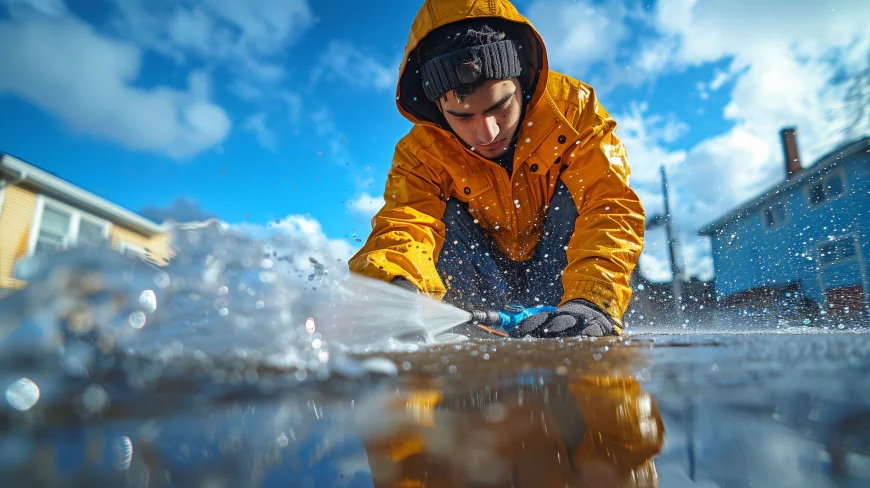
Good waterproofing keeps your home dry and safe from rot. When the work is done poorly, mold and water damage follow fast. Even a tiny gap leads to leaks and huge repair bills. Experts often see these same basic errors on almost every job site they visit. Knowing how to spot these common slips helps you stay on the right track during your build. This simple step keeps your house strong and saves you a lot of money.
Treating Waterproofing as an Afterthought
Many people wait until a build is almost finished to keep water out. You should plan for waterproofing right when you start the design. It works better when you connect it to the drains and the frame. If you wait, you might not be able to reach the best spots. Waiting too long often makes the final seal much less strong. This rule applies to both big office projects and small home builds.
Using Incorrect Waterproofing Materials
Not every seal works for every surface. Choosing a product based on price often fails. Buildings shift and the hot sun beats down. Some items cannot handle that pressure. A pro can check your site to pick the best fix. This ensures the work lasts and follows the rules.
Inadequate Surface Preparation
Waterproofing materials require clean, dry, and stable surfaces to bond correctly. Dust, moisture, oil, or uneven substrates can cause membranes and sealants to peel or crack.
This is a common issue in rushed renovations and poorly managed projects, including residential waterproofing services where preparation is overlooked.
Ignoring Building Movement
Buildings shift a lot as the weather gets hot or cold. This movement puts a lot of stress on walls. You need a seal that can stretch and bend. Hard coatings often crack on window frames or balconies. When the stuff you use is too stiff, it breaks. Experts pick layers that move along with the house. This keeps water out even when the joints wiggle. A smart system stays tight and strong without snapping.
Overlooking Drainage Design
Waterproofing alone does not control water flow. Poor drainage causes water to pool and place constant pressure on membranes, increasing the risk of leaks.
This is especially important in commercial waterproofing service projects where large roof areas and balconies collect higher volumes of water.
Relying on Temporary or DIY Repairs
Surface-level fixes may stop visible leaks temporarily but often fail to address the underlying issue. Delaying professional repairs allows moisture to spread into wall cavities and structural elements.
Remedial waterproofing focuses on identifying the true source of water entry and repairing it at a system level rather than masking symptoms.
Using Unqualified Contractors
Waterproofing is a complex task that needs a high level of skill. You must follow the rules set by the Australian Standards. Unskilled workers often skip steps or use the wrong tools. Poor work leads to leaks that can ruin your home very fast. Hiring a licensed pro ensures that the work meets every safety rule and keeps you safe. They keep your house or shop dry for a long time. High quality work saves you money and avoids a huge mess.
Professional Waterproofing Approach
Keeping water out starts with a close look at the entire building. After we pick the best products, we prep every surface very well. This smart plan saves you plenty of money on all your future repairs. It also keeps your home or office safe from heavy rain damage.
At Waterproof Co., we fix small leaks and handle all types of big business repairs. Our team handles full waterproofing for both private houses and large store sites. We look at the local weather to build a custom plan just for you. Every job meets the exact rules and needs of your building structure.