Parchment Paper Baking Tips for Professional Bakers
Discover expert baking tips using parchment paper. Learn how professional bakers improve baking results, efficiency, and food presentation.
 parchmentpaper
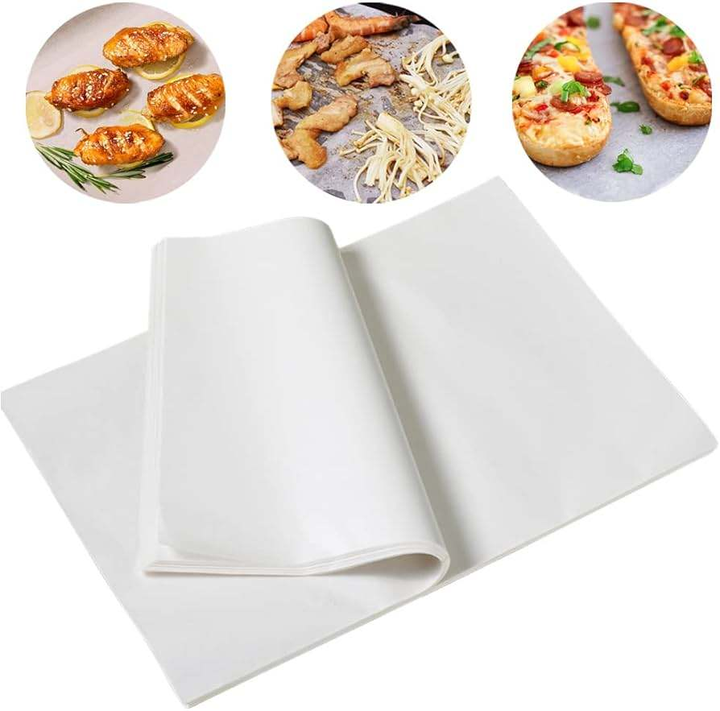
Professional baking requires precision, consistency, and efficiency. From pastries and cookies to artisan bread, every detail affects the final result. One of the simplest tools that helps bakers achieve consistent outcomes is parchment paper. This specialized baking paper plays an essential role in commercial bakeries and professional kitchens.
Using parchment paper allows bakers to create a non-stick surface that prevents delicate baked goods from sticking to trays or pans. It also protects baking equipment from grease and residue, making cleanup faster and easier. In busy bakeries, this efficiency can save valuable preparation time.
Modern bakeries rely on commercial baking parchment to improve both baking quality and workflow. Whether preparing cookies, pastries, or cakes, professional bakers use parchment paper to maintain consistent results while protecting their baking equipment.
Why Professional Bakers Use Parchment Paper
Professional bakers choose parchment paper because it improves baking performance and simplifies kitchen operations. The paper forms a barrier between dough or batter and the baking surface, which prevents sticking and helps maintain the shape of baked goods.
Most bakeries use silicone coated parchment paper because the silicone layer provides excellent non-stick properties. This coating allows baked items to release easily after baking without damaging their structure.
Another advantage is hygiene. Food grade parchment paper ensures safe food contact and helps maintain cleanliness during baking. When used properly, it also reduces the need for excess oil or butter on baking trays.
Key Benefits of Using Parchment Paper in Baking
- Prevents sticking: Keeps cookies, pastries, and bread from sticking to trays.
- Even baking surface: Promotes consistent heat distribution.
- Easy cleanup: Reduces grease and residue on baking trays.
- Improves presentation: Helps maintain the shape of baked goods.
- Saves preparation time: Eliminates the need for tray greasing.
These advantages explain why non-stick baking paper is widely used in professional bakeries around the world.
Understanding Different Types of Parchment Paper
Different types of parchment paper are available depending on baking needs. Professional bakers often select specific varieties based on the type of product they are preparing.
Silicone-Coated Parchment Paper
Most bakeries rely on silicone coated parchment paper because it provides superior non-stick performance. The silicone layer allows baked goods to release easily without tearing.
This type of parchment paper also withstands high temperatures used in commercial ovens. It remains stable during long baking cycles.
Bleached and Unbleached Parchment Paper
Bleached parchment paper has a white appearance and is often used for professional presentation. It creates a clean look for baking trays and pastry displays.
Unbleached parchment paper has a natural brown color. Some bakeries prefer this option for its natural appearance and environmentally friendly appeal.
Pre-Cut Sheets vs Rolls
Professional bakeries frequently use pre-cut baking tray liners designed to fit standard trays. These sheets save time during preparation because bakers do not need to measure or cut paper.
Rolls provide flexibility for different tray sizes. They allow bakers to cut parchment paper according to specific baking needs.
Choosing the Right Parchment Paper for Baking
Selecting the correct parchment paper is important for professional baking results. The quality of the paper directly affects how baked goods release from trays and how evenly they bake.
High-quality commercial baking parchment should withstand high temperatures and resist grease absorption. Durable parchment sheets remain intact even when baking multiple batches.
Professional bakers also consider thickness when choosing parchment paper. Thicker sheets offer better durability and can sometimes be reused during baking cycles.
Baking Tips for Using Parchment Paper Efficiently
- Cut sheets to fit trays properly: Correct sizing prevents curling or movement during baking.
- Place parchment flat on trays: Smooth surfaces ensure even baking.
- Avoid excessive folding: Wrinkles can affect heat distribution.
- Replace heavily used sheets: Damaged parchment may affect baking quality.
- Store parchment paper correctly: Keep sheets in dry conditions.
Following these practices helps bakers maintain consistent results when using non-stick baking paper.
How Parchment Paper Improves Baking Results
Consistent baking results depend on stable heat distribution and proper tray preparation. Parchment paper helps create a uniform surface that prevents direct contact between dough and metal trays.
This barrier improves airflow and heat circulation. Cookies and pastries bake more evenly when placed on baking tray liners instead of directly on metal surfaces.
Another advantage is moisture control. Food grade parchment paper prevents excess grease from accumulating on trays while protecting delicate baked goods during removal.
Common Baking Applications for Parchment Paper
|
Baking Application |
How Parchment Paper Helps |
|
Cookies |
Prevents sticking and keeps cookie shape intact |
|
Cakes |
Allows easy removal from pans |
|
Pastries |
Maintains flaky texture during baking |
|
Bread |
Prevents dough from sticking to trays |
|
Macarons |
Provides a smooth surface for delicate baking |
This table highlights why parchment paper is widely used in different types of professional baking.
Avoiding Common Mistakes When Using Parchment Paper
Many baking problems occur when parchment paper is used incorrectly. One common mistake is using paper that cannot tolerate high oven temperatures. Professional bakers should always choose silicone coated parchment paper designed for baking.
Another mistake is reusing parchment sheets excessively. Although parchment paper can sometimes be reused, damaged sheets may affect baking quality or cause sticking.
Incorrect sizing can also create problems. Baking tray liners should fit trays properly to avoid curling edges that interfere with heat circulation.
Proper Storage and Handling of Parchment Paper
Maintaining the quality of parchment paper requires proper storage. Professional kitchens should keep parchment paper in a dry and clean environment away from moisture.
Moisture can weaken the structure of food grade parchment paper and reduce its effectiveness during baking. Keeping the paper sealed in its original packaging helps maintain quality.
Organizing parchment sheets by size can also improve efficiency. Bakers can quickly access the correct commercial baking parchment during busy production periods.
Improving Efficiency in Commercial Bakeries
Efficiency is essential for professional bakeries producing large volumes of baked goods. Using parchment paper helps streamline the baking process by reducing preparation time and simplifying cleanup.
Instead of greasing trays repeatedly, bakers can simply place non-stick baking parchment paper on trays and start baking immediately. This saves time during production cycles.
Additionally, clean trays allow bakers to focus more on baking quality rather than equipment maintenance. Baking tray liners help keep trays cleaner throughout the baking process.
Conclusion
Professional baking requires tools that support efficiency, consistency, and food safety. Parchment paper is one of the most valuable materials in commercial baking because it prevents sticking, improves baking results, and simplifies cleanup.
From cookies and pastries to bread and cakes, commercial baking parchment helps bakers maintain consistent quality while protecting baking equipment. High-quality food grade parchment paper ensures safe food contact and reliable baking performance.
By selecting the right parchment paper and following proper baking techniques, professional bakers can improve both productivity and product quality.
Frequently Asked Questions
Why do professional bakers use parchment paper?
Professional bakers use parchment paper to prevent sticking, improve baking consistency, and simplify tray cleanup.
Can parchment paper be reused for baking?
Some non-stick baking paper sheets can be reused for multiple batches if they remain clean and undamaged.
Is parchment paper safe for high oven temperatures?
Yes. Silicone coated parchment paper is designed to tolerate the high temperatures used in commercial baking.
Does parchment paper affect baking results?
Yes. Baking tray liners help distribute heat evenly and prevent baked goods from sticking to trays.
Is parchment paper better than greasing baking trays?
In many cases, food grade parchment paper works better because it prevents sticking while reducing the need for oils or butter.