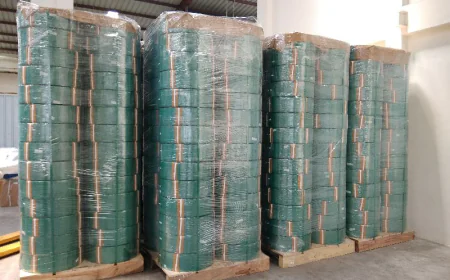
Pet Food Packaging Solutions for Dry and Wet Foods
Explore innovative pet food packaging solutions for both dry and wet foods, ensuring freshness, durability, and attractive designs that boost brand appeal.
 siagray
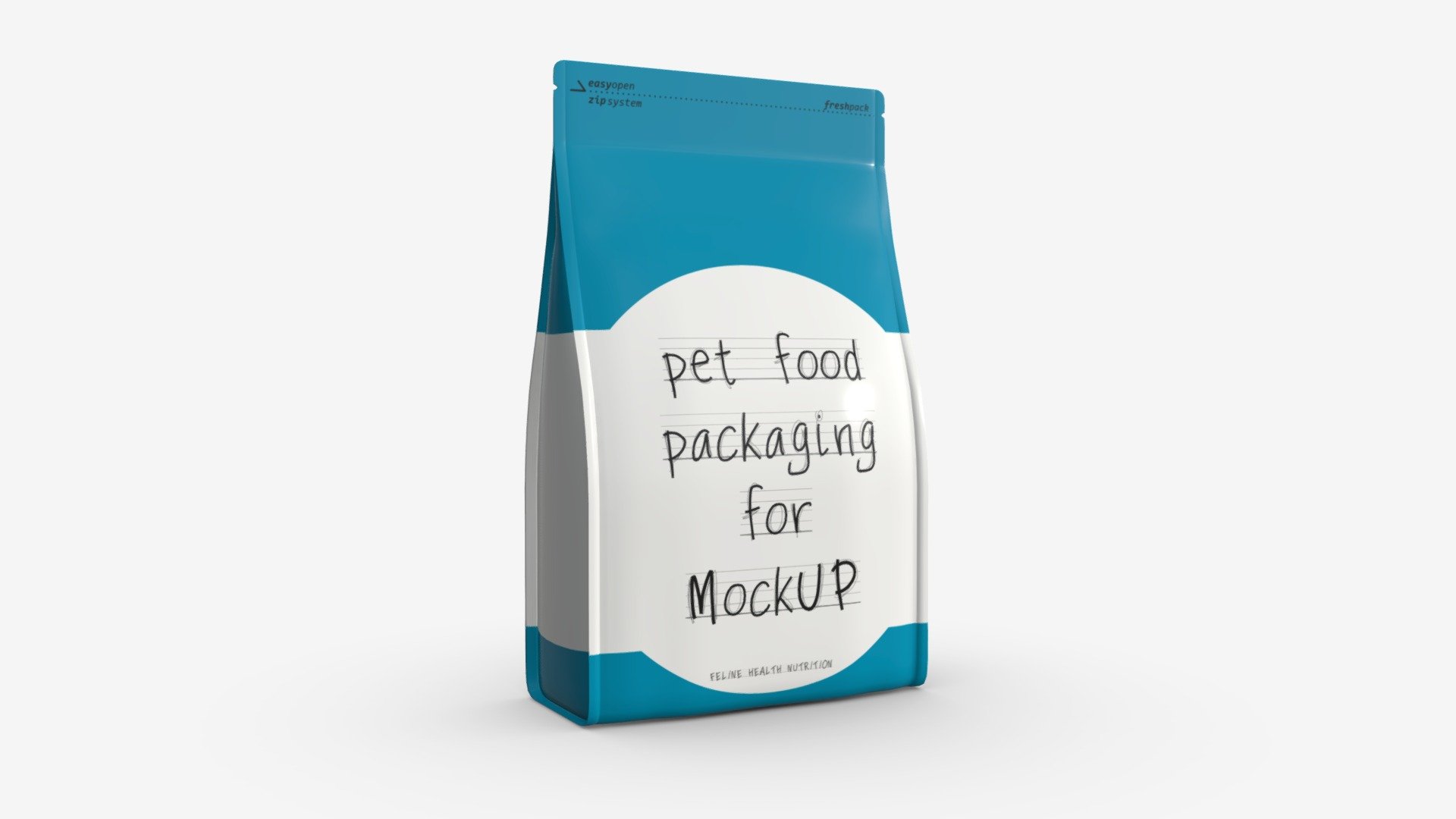
Pet nutrition products demand packaging systems that adapt to very different physical properties. Dry kibble, semi-moist treats, and wet meals each react differently to air, humidity, pressure, and temperature. Because of this variation, brands cannot rely on a single packaging approach for their entire range. Effective Pet Food Packaging is designed around product behavior, shelf-life expectations, and consumer handling habits. When packaging is tailored to the specific food type, it safeguards quality while also supporting brand positioning in a highly regulated market.
Understanding the Needs of Dry Pet Foods
Dry pet food requires protection primarily from moisture and oxygen. Even minimal exposure can lead to loss of crunch, flavor degradation, and nutrient breakdown. Packaging solutions for dry formulas often focus on internal barriers, layered materials, and secure closures that limit air exchange. Boxes used for outer protection must also maintain shape to prevent inner bags from puncturing or tearing during transit.
Structural consistency is essential because dry food is frequently sold in larger quantities. Packaging must support weight without compromising stability. Smart custom packaging designs ensure that boxes remain rigid while still being easy to stack, store, and display. This improves both supply chain efficiency and customer experience at the retail level.
Packaging Challenges for Wet and Moist Foods
Wet pet food presents a different set of challenges. These products are more sensitive to bacterial growth, temperature changes, and leakage. Packaging solutions must prioritize containment, hygiene, and long-term sealing. External packaging plays a supporting role by providing added protection against punctures, dents, and contamination during shipping and storage.
Wet food packaging often includes cans, pouches, or trays that require secondary boxing for branding and transport. High-quality Pet Food Packaging ensures that these primary containers are shielded from external damage while also presenting clear labeling and product information. A strong outer package reassures buyers that the product inside remains safe and untouched.
Material Selection and Performance Balance
Choosing the right materials is critical when managing both dry and wet food categories. Cardboard strength, coating finishes, and internal linings must align with the product’s storage environment. Moisture-resistant surfaces are especially valuable for mixed product lines that may be stored together in warehouses or retail spaces.
Brands that invest in custom packaging can adjust thickness, finish, and internal structure based on product type. This flexibility prevents over-packaging while still delivering reliable performance. Material optimization also reduces waste and supports cost control without sacrificing product protection.
Branding Consistency Across Product Types
Maintaining a unified brand image across dry and wet food lines is a common challenge. Different packaging formats can easily lead to inconsistent presentation if not planned strategically. Coordinated color palettes, typography, and layout systems help create a recognizable identity regardless of product form.
Well-executed Pet Food Packaging bridges the gap between functional needs and marketing goals. Clear branding on outer boxes reinforces trust and professionalism, even when primary containers differ in size or shape. This consistency strengthens shelf impact and reinforces brand recognition across multiple purchasing occasions.
Storage Transportation and Shelf Readiness
Packaging must perform well long before it reaches the consumer. From manufacturing floors to distribution centers and retail shelves, products encounter numerous handling stages. Dry food packaging must resist compression, while wet food packaging must tolerate vibration and movement without leakage.
Efficient custom packaging solutions are designed with logistics in mind. Accurate sizing minimizes empty space, reduces movement during transit, and lowers shipping costs. Packaging that supports organized stacking also simplifies inventory management and reduces the likelihood of damage or product returns.
Regulatory Compliance and Consumer Assurance
Pet food packaging is subject to strict standards related to safety, labeling, and material use. Packaging must not interact negatively with food contents or introduce contaminants. Clear communication of ingredients, feeding instructions, and expiration details is equally important.
High-quality Pet Food Packaging supports compliance by providing clean printing surfaces and reliable structural integrity. When packaging meets regulatory expectations, brands reduce risk while demonstrating accountability to consumers who demand transparency and reliability.
Adapting Packaging to Market Trends
Consumer preferences continue to evolve, influencing how pet food is packaged and presented. Demand for portion control, easy storage, and eco-friendly solutions is increasing across both dry and wet food segments. Packaging that responds to these trends gains a competitive edge.
Through custom packaging, brands can introduce innovations such as resealable features, modular box designs, or recyclable materials. These enhancements improve usability and align packaging with modern consumer values, creating added differentiation in crowded markets.
Conclusion
Effective packaging solutions for dry and wet pet foods require a thoughtful balance of protection, presentation, and performance. Each product type brings unique challenges that demand tailored strategies rather than one-size-fits-all solutions. By investing in adaptable Pet Food Packaging and leveraging well-planned custom packaging, brands can preserve quality, meet regulatory demands, and deliver a consistent brand experience. Strategic packaging decisions not only protect products but also support operational efficiency and long-term market success.