Risk Management in Trading: The Key to Long-Term Success
Learn risk management in trading with simple tips on stop-loss, position sizing, and discipline to protect capital and achieve long-term success.
 Tradingxone
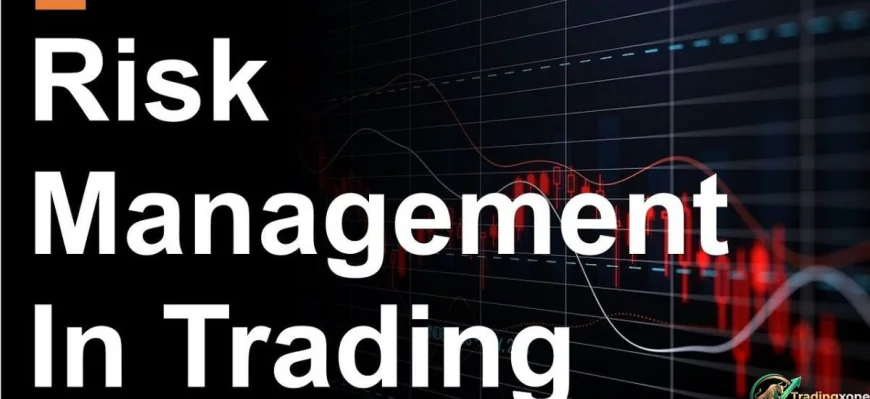
Many people enter the world of trading with the goal of making profits quickly. While earning money is important, one of the most critical skills a trader can learn is risk management. Without proper control over losses, even the best trading strategies can fail. Risk management is what protects your capital and keeps you in the market long enough to grow.
Successful traders do not focus only on how much they can make. They focus on how much they can protect. Understanding how to manage risk helps reduce emotional decisions and creates a strong foundation for consistent performance.
What Is Risk Management in Trading?
Risk management in trading means controlling how much money you are willing to lose on a single trade. It involves setting clear limits, planning your trades, and making smart decisions to protect your account.
Every trade carries risk. Prices can move in unexpected ways due to news, market conditions, or sudden changes in demand. Risk management helps you stay prepared for these situations.
Many traders who learn through Trading Xone understand early that protecting capital is more important than chasing quick profits. This mindset helps them stay disciplined and focused.
Why Risk Management Is So Important
Without risk management, even a few bad trades can damage your account. Beginners often make the mistake of risking too much on one trade, hoping for big returns. When the trade goes wrong, the loss becomes difficult to recover.
Proper risk management keeps losses small and manageable. It allows traders to continue trading, learning, and improving over time. Consistency in trading does not come from winning every trade. It comes from managing losses and letting profits grow slowly.
When risk is controlled, traders feel less stress and make better decisions. This helps create a more stable and confident trading experience.
The One Trade Risk Rule
One of the most common guidelines in trading is to risk only a small percentage of your account on each trade. Many professional traders risk only a tiny portion of their capital per trade.
This approach ensures that even if several trades go wrong, your account will not suffer major damage. It also helps you stay in the market longer and gives you more chances to recover from losses.
Trading Xone often emphasizes the importance of small, controlled risks. This simple habit can make a big difference in your long-term trading journey.
Using Stop-Loss Orders
A stop-loss is one of the most important tools in risk management. It is a pre-set level where your trade will automatically close if the price moves against you. This helps limit losses and protects your capital.
Without a stop-loss, a small loss can quickly turn into a large one. Setting a stop-loss before entering a trade ensures that you already know your maximum risk.
This removes emotional decision-making and helps you stay disciplined. Even experienced traders use stop-loss orders regularly to manage their risk.
Position Sizing Matters
Position sizing means deciding how much to invest in each trade. If you invest too much in one trade, even a small price movement can lead to a large loss.
Keeping your position size balanced helps reduce pressure and allows you to manage trades more calmly. It also helps protect your account during losing streaks.
Good traders always plan their position size based on their total account balance and the level of risk they are comfortable taking.
Avoiding Overtrading
Overtrading is a common mistake, especially among beginners. It happens when traders take too many trades without proper planning. This often leads to unnecessary losses and emotional stress.
Sometimes, the best decision is not to trade at all. Waiting for clear opportunities is a key part of strong risk management. Trading less but with better setups can improve overall results.
At Trading Xone, traders are often encouraged to focus on quality trades rather than quantity. This helps build discipline and prevents careless decisions.
Controlling Emotions and Staying Calm
Emotions play a big role in trading. Fear can cause traders to close trades too early, while greed can push them to take bigger risks. After a loss, some traders try to recover quickly by placing random trades. This usually leads to more losses.
Risk management helps control these emotional reactions. When you know your risk is limited, you feel more relaxed and confident. You can focus on following your strategy instead of reacting emotionally.
Learning to stay calm during both wins and losses is an important part of becoming a successful trader.
Thinking Long-Term
Trading is not about making money in one day or one week. It is a long-term journey. Risk management helps you stay in the market long enough to grow your skills and improve your performance.
Even the best traders face losses. What makes them successful is their ability to protect their capital and stay consistent over time.
Small, controlled risks combined with steady progress can lead to strong results in the long run.
Final Thoughts
Risk management is the backbone of successful trading. It protects your account, reduces stress, and helps you stay disciplined. Without it, even the best strategies can lead to failure.
By using stop-loss orders, controlling position sizes, and avoiding overtrading, you can build a strong foundation for your trading journey. Focus on protecting your capital first, and profits will follow over time.
Remember, trading is not about winning every trade. It is about managing losses, staying patient, and improving step by step. With proper risk management, you can create a safer and more confident path toward long-term success.