
The Difference Between Decorative and Functional Machetes
 blackskullblades
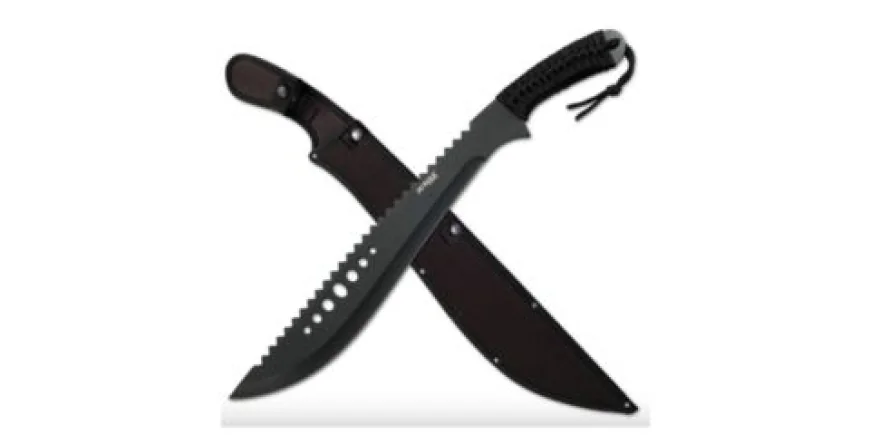
Buying a large blade often feels like a choice between an art piece and a rugged tool for the backyard. The main difference between decorative and functional machetes lies in the steel quality, the tang construction, and the heat treatment of the metal. Decorative blades prioritize aesthetics and are often made from low-grade stainless steel that can shatter upon impact. Functional tools, such as a Jungle Master machete, feature high-carbon steel and a full tang to handle the vibration and force of hacking through brush. Using a decorative piece for yard work is a major safety risk, as these "wall hangers" lack the structural integrity to survive even a single swing against a thick branch.
Identifying a "Wall Hanger" by Its Build
Visual appeal often masks a blade's true capabilities when you see it displayed on a shelf. Decorative machetes usually feature flashy engravings, mirror-polished finishes, and intricate handle designs that look impressive under the glow of pillar candles in Canada. These blades are almost always "rat-tail" tangs, meaning a thin threaded rod connects the blade to the handle. A rod like that will snap instantly if the blade meets resistance, turning the metal into a dangerous projectile.
Stainless steel is a common choice for these display pieces because it resists rust without needing regular oiling. While that sounds convenient, most stainless steel used for cheap decorative items is too brittle for impact. Hardening metal for display is different from tempering it for work. You want a blade that can flex slightly without snapping, but decorative models are often "dead" metal that lacks any spring or resilience.
Essential Features of a Work-Ready Blade
Comfort becomes your top priority after about ten minutes of clearing buckthorn or invasive vines. Functional machetes prioritize ergonomics over fancy aesthetics. Handles are usually made from shock-absorbing materials like textured rubber, micarta, or polypropylene. These materials prevent the "stinging" sensation that travels up your arm when the blade hits something solid.
-
Full Tang Construction: The steel of the blade should run the entire length and width of the handle, secured by heavy-duty rivets.
-
Balance Point: A good tool feels "weight forward" to help with the swinging momentum, whereas decorative blades often feel awkwardly balanced.
-
Sheath Quality: Functional tools come with rugged nylon or Kydex sheaths designed for belt carry and safety, not just display.
-
Blade Thickness: Most working machetes are between 2mm and 3mm thick, providing enough weight for a chop without being too heavy to carry.
How to Spot a Fake Online
Shopping for blades on the internet requires a keen eye for technical specifications rather than just photos. Most reputable manufacturers will list the specific type of steel used, such as 1095 carbon or 420HC. If the description simply says "surgical steel" or "high-quality metal," you are likely looking at a decorative item. Price is another huge indicator of quality. A legitimate Jungle Master machete is affordable but still carries the weight and build quality associated with a real tool.
Avoid anything that features "fantasy" spikes or serrations that don't serve a clear purpose. Large, jagged teeth on the spine of a machete often look cool but actually make the blade get stuck in wood during a deep cut. Real saws on the back of a machete have offset teeth designed for clearing a kerf. If the teeth are just flat and sharp, they are decorative and will only hinder your work.
Maintaining a Functional Tool vs. a Display Piece
Display blades require almost no effort beyond a quick dusting every few months. They sit on a rack and look sharp, which is exactly what they were designed to do. Functional machetes require a relationship with the owner. You need to learn how to use a file or a puck sharpener to maintain the edge after a long day in the field.
-
Oiling: Apply a thin layer of mineral oil or specialized knife wax to carbon steel after every use to prevent oxidation.
-
Sharpening: Real machetes don't need a razor-sharp "hair-shaving" edge; they need a "working edge" that is durable and easy to touch up.
-
Handle Check: Periodically check the rivets or screws on the handle to ensure nothing has rattled loose from the vibrations of chopping.
-
Storage: Never store a functional carbon steel blade in a leather sheath for long periods, as leather holds moisture and will cause pitting.
Choosing the Right Tool for Your Needs
Knowing your environment helps you decide which machete style fits the bill. A heavy "panga" or "bolo" style is great for the thick, woody stems found in many parts of the country. A thinner, longer "Latin" style machete works best for tall grass and leafy vegetation. If you just want something that looks aggressive and sits on a shelf in your man cave, a decorative blade is a fine choice. Just make sure you never take it out to the woodpile.
Collectors often enjoy both types for different reasons. There is a place for the artistry of a well-forged display piece, just as there is a place for the raw utility of a blackened carbon steel blade. Recognizing which is which keeps you safe and ensures you don't waste money on a tool that falls apart on its first day of work.
Final Thoughts on Machete Quality
The foundation of a superior gear setup lies in distinguishing authentic outdoor tools from mere ornaments. While decorative models offer visual appeal, only functional machetes provide the reliability required for rigorous use. At Black Skull Blades, the focus is on physical safety and long-term value through superior construction. Serving the Canadian market via a seamless online experience, they provide a sophisticated range of machetes and utility knives for every requirement.