The Perfect Exterior Painting Contractor for Your House : 2026
In 3 easy, actionable tips, our article teaches you how to pick the right exterior painting contractor for lasting curb appeal, better protection of your home, and a fair price with no stress in 2026.
 alisonsummit1990
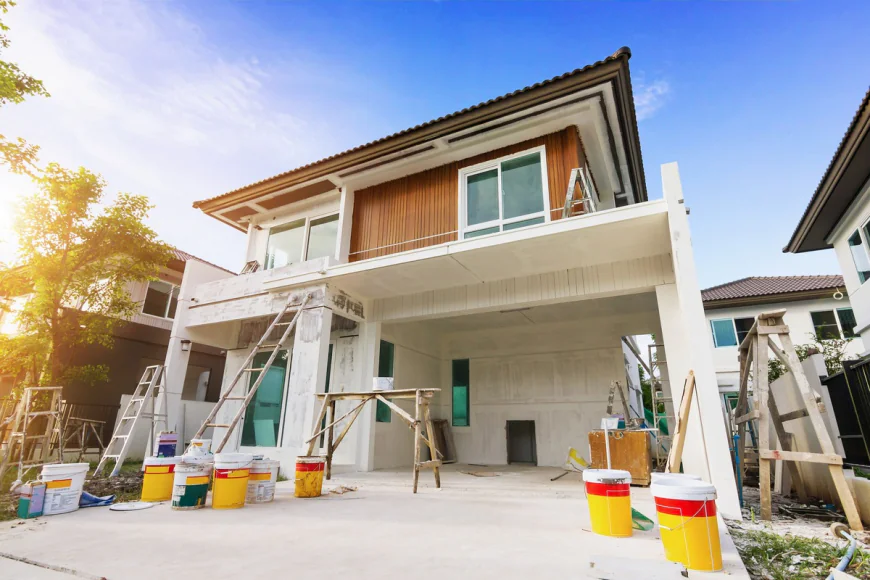
A new coat of paint can transform the look and feel of a home. It can increase curb appeal, preserve exterior surfaces, and help a property maintain its value over time. That is why selecting the right exterior painting contractor is one of the most important decisions every homeowner has to make.
Dimming paint colors are a clear sign of poor paintwork. A great contractor prevents those problems from happening in the first place. The ideal team properly prepares the work area, uses quality materials, and provides solutions that withstand changing weather patterns.
Before hiring an exterior painting contractor, there are a few things every homeowner needs to know. This includes understanding the contractor's role, potential signs that your home needs a paint job, how to compare estimates, and what questions to ask before making a decision.
The Role of an Exterior Painting Contractor
An exterior painting contractor does far more than just paint walls. The job typically starts with a complete inspection of the outside surfaces, including the siding, trim, windows, doors, caulking lines, and any areas showing wear. The real prep work begins after this inspection.
Typical prep includes power washing, scraping off loose paint, sanding rough areas, patching small surface imperfections, sealing gaps, and priming raw spots. This step is one of the biggest features of the project, as paint works best on a clean, dry, and stable surface.
In some cases, the contractor may also repair exterior paint issues before applying new coats. Small cracks, damaged trim, and signs of rot need repair before painting. While painting over these issues may temporarily cover them, it won't address the underlying problem.
The contractor also helps with selecting the right products. Different homes require different coatings. Wood, stucco, brick, and fiber cement all react differently to paint. An experienced contractor knows which primer, finish, and weather-resistant exterior paint are best for the local climate and surface type.
Why You Should Hire a Professional Exterior Painting Contractor
For most homeowners, the biggest concern about exterior painting is color. But it's also about protection, security, and long-term value. A professional exterior painting contractor will enhance your results by meticulously completing the job from beginning to end.
Exterior painting typically involves ladders, temperature fluctuations, and moisture issues that may not be obvious. A trained contractor knows how to handle these specifics, minimizing the risk of inconsistent coverage, poor adhesion, or premature paint failure.
Professional crews also provide the necessary tools for prep and application. These include ladders, sprayers, sanding tools, caulking equipment, and cleaning materials, which help to save time and avoid unnecessary delays.
Quality control is another key aspect of professional work. Crisp, clean edges, even coverage, and a durable finish are essential. These details are vital because they affect the product's street view and long-term performance.
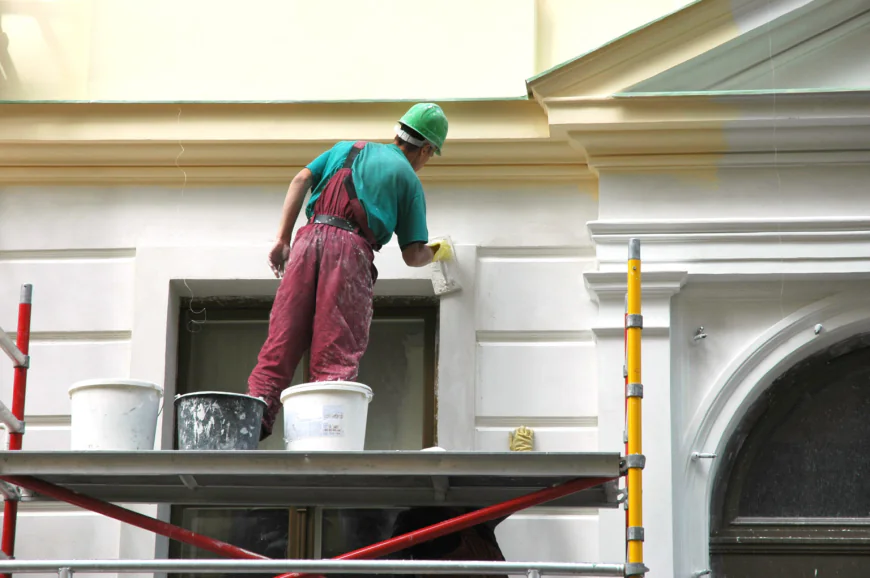
Warning Signs You Should Call an Exterior Painting Contractor
While a home may not necessitate an immediate full repaint, it's crucial to pay attention to certain warning signs. If you notice visible wear on your surfaces, call in an exterior painting contractor before the damage worsens.
Some of the most common signs include peeling paint, which indicates that the old coating no longer adheres to the surface. Fading, especially in areas exposed to the sun, is another clue.
If the color appears dull or streaky, it’s time for a refresh, as the finish is no longer protecting your surfaces.
Other red flags include signs of mold, cracked caulking, bubbling paint, and soft wood. These may indicate trapped moisture or aging surfaces that need treatment.
Sometimes, the problem is purely cosmetic, but delaying treatment can make repairs more expensive, leading to potential structural damage or further deterioration of the home's exterior.
Homeowners may also simply observe that their home appears worn out.
Useful Questions to Ask an Exterior Painting Contractor
How many years of experience do you have in residential exterior painting?
Does the estimate include washing, scraping, sanding, and priming?
What type of paint products do you use?
How many coats of paint are included in the bid?
Will minor repairs be made before painting?
Do you offer a written warranty on labor and materials?
Who will be in charge of the crew every day?
These questions help homeowners compare one contractor to another in a practical way. A knowledgeable exterior painting contractor will answer clearly and confidently. Good communication early in the process often results in less friction throughout the project, leading to a smoother workflow and potentially lower overall costs for the homeowner.
How Much Does it Cost to Hire an Exterior Painting Contractor?
The cost of hiring an exterior painting contractor can vary depending on several factors. The size of the home is major; larger homes require more labor, prep time, and paint. Surface condition also plays a role. If the home needs extensive repairs such as scraping, patching, sanding, or more, the cost will likely rise.
Your zip code matters, too, as labor rates can differ from one location to another.
Beware of estimates that seem too low. A cheap quote might indicate the contractor is skipping essential prep work or using lower-quality materials.
Frequent painting can increase property value. A well-maintained and painted exterior indicates proper care for the rest of the property. Such an outcome can be valuable for resale and provides a sense of pride for homeowners.
FAQs
Why is prep work so important in exterior painting?
Prep work is crucial because it directly impacts how long the paint job will last. Cleaning, sanding, scraping, priming, and sealing are all necessary steps to create a durable finish.
What is the ideal season for painting exteriors?
Mild, dry weather is ideal for painting because it ensures proper drying and better paint adhesion.
Does an older home need special treatment before painting?
Yes. Before painting begins, one should address any hidden moisture issues, surface damage, or lead-based paint concerns in older homes.