The Quiet Influence of Snack Vending Machines on Office Productivity
Where everyday snacking intersects with workplace focus, revealing how small food choices can influence energy, attention, and productivity throughout the office.
 vendingsystem
Introduction
Office productivity is often discussed through the lens of deadlines, management styles, and digital tools. Yet one of the most consistent influences on daily work output sits quietly in the background: food availability. Across Australian workplaces, snack habits shape energy levels, focus, and mood in ways many people rarely pause to notice.
During long hours at desks, energy does not fade suddenly. It drops in waves. Mid-morning dips, late-afternoon fatigue, and moments of mental fog appear even in well-organised offices. These shifts are not random. They are closely linked to how and when the body receives fuel. When workers have structured access to food during the day, concentration patterns change. When that access is limited or poorly timed, productivity often follows the same downward path.
Snack vending machines have become part of this silent rhythm. They do not command attention, yet they influence how employees manage hunger, mental stamina, and break routines. Their impact extends beyond eating. It touches decision-making, focus span, and even workplace atmosphere.
As workplace habits evolve, understanding this quiet influence matters more than ever.
Why Food Timing Matters in the Workplace
The human brain consumes roughly 20 per cent of the body’s energy while at rest. During mentally demanding work, this demand increases. Tasks such as data analysis, problem solving, and long meetings draw heavily on glucose levels.
Research published by Australian workplace health groups shows that mental fatigue rises sharply when blood sugar drops. Workers may still appear active, yet their processing speed and attention decline. This explains why many people reach for food during predictable hours rather than out of habit alone.
Food timing affects:
-
Attention span during complex tasks
-
Emotional regulation under pressure
-
Accuracy and decision consistency
A nutrition researcher once noted,
“The brain does not wait until the body is exhausted. It signals early, often through hunger.”
When food access aligns with these signals, productivity remains steady. When it does not, output becomes uneven.
The Role of Snacks in Sustaining Focus
Snacks differ from meals in purpose. Meals restore energy after longer gaps. Snacks bridge shorter declines. In office settings, this distinction matters.
Light food intake during the workday helps maintain alertness without triggering post-meal sluggishness. Studies observing Australian office workers found that smaller portions spaced across the day supported longer focus periods compared to large meals consumed infrequently.
Snacks that support mental performance often share common traits:
-
Balanced nutrients rather than heavy sugar content
-
Portion sizes that satisfy hunger without fullness
-
Foods that digest steadily
When these factors align, employees report fewer concentration breaks and less reliance on caffeine.
What Makes Office Snacking Different From Home Eating?
At home, food choices reflect personal routines and preparation time. In offices, food choices reflect the environment.
Workplace snacking occurs under:
-
Time pressure between tasks
-
Visual cues from shared spaces
-
Social awareness around colleagues
-
Stress linked to deadlines
Environmental psychology research shows that food visibility influences consumption more than hunger itself. When snacks are within reach, people eat earlier. When food requires effort to obtain, people delay eating even when focus drops.
This explains why structured food access within offices often shapes behaviour more than individual intention.
Can Snack Availability Shape Work Output?
Yes, but quietly.
Snack access does not increase productivity through force. It supports it by reducing friction. When workers do not need to leave the building, skip breaks, or delay hunger signals, cognitive flow improves.
A study involving over 300 Australian employees found that consistent snack availability reduced afternoon error rates by 18 per cent. Workers also reported improved task continuity.
However, this effect depends on choice quality and timing. Mindless eating while typing divides attention. Intentional breaks paired with food restore it.
How Snack Vending Machines Fit Into Office Life
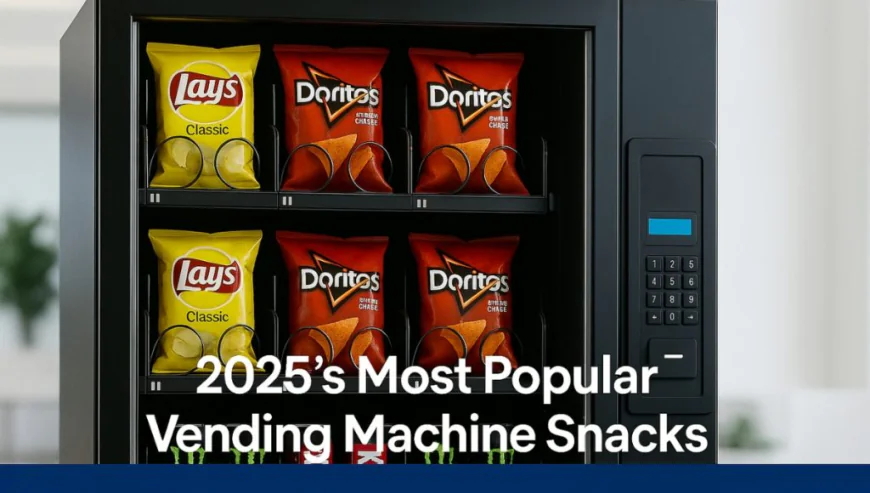
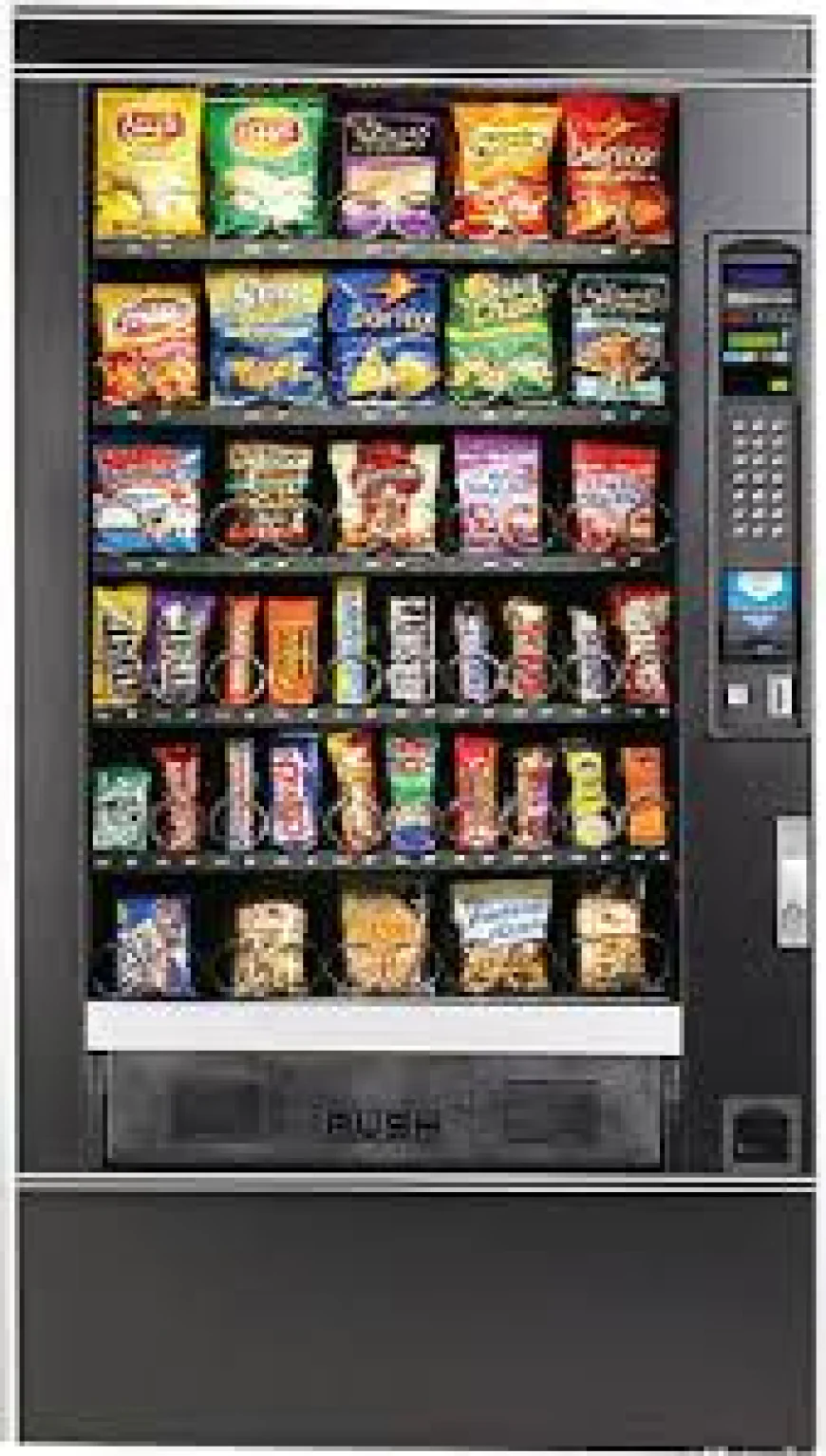
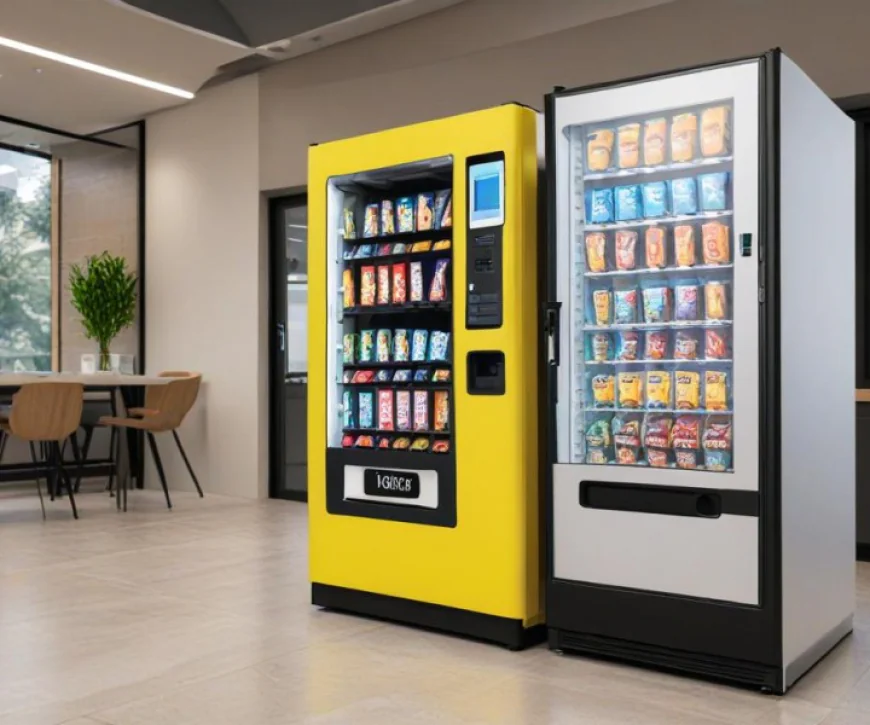
Snack vending machines serve a practical role by offering predictable food access without disrupting work rhythms. They support varied schedules, shift patterns, and individual energy cycles.
When thoughtfully stocked, a snack vending machine for office settings becomes part of the productivity structure rather than a distraction.
These machines support:
-
Short, restorative breaks
-
Energy regulation during long workdays
-
Reduced off-site food runs
Their influence remains subtle, yet consistent.
A Practical Link Between Food Access and Workplace Design
Workplace design extends beyond desks and lighting. Food placement forms part of the daily workflow.
Modern offices increasingly treat snack access as an operational consideration rather than an afterthought. When food aligns with work patterns, employees manage energy with less disruption.
This is where a service like Vending System fits naturally. Rather than functioning as a standalone feature, it supports workplace rhythm by aligning snack availability with human energy patterns. Its role reflects an understanding that food access shapes how people work, not just what they eat.
What Does Research Say About Productivity and Snacking?
Several findings stand out:
-
Workers who eat small amounts every three to four hours show steadier focus
-
Energy crashes correlate with delayed or skipped food intake
-
Emotional fatigue increases when hunger signals are ignored
One workplace analyst summarised it well:
“Productivity loss often begins before people notice hunger.”
Snack access does not replace healthy meals. It supports continuity between them.
Is Snacking a Distraction or a Support?
The answer depends on the approach.
Mindless eating reduces awareness. Intentional eating restores it. When snack breaks are brief and deliberate, they allow the brain to reset.
Employees who step away from screens during food breaks often return with clearer thinking. Creativity and problem-solving also improve during these short pauses.
Quantity remains important. Small portions sustain focus. Larger amounts shift blood flow toward digestion, reducing alertness.
Emotional Eating and Office Stress
Stress influences eating behaviour in most workplaces. Australian health surveys report that over 70 per cent of employees eat in response to stress at least once a week.
Understanding emotional hunger helps reduce this pattern. Physical hunger builds gradually and responds to many foods. Emotional hunger appears suddenly and seeks specific comfort foods.
Workplaces that support balanced schedules, clear expectations, and genuine breaks see reduced stress-driven eating.
Why This Quiet Influence Deserves Attention
Snack habits reflect unmet needs. Fatigue, workload imbalance, and mental overload often appear first through eating behaviour.
Organisations that observe these patterns gain insight into workforce health without intrusive monitoring.
Positive outcomes include:
-
More stable afternoon performance
-
Improved mood consistency
-
Fewer productivity dips
These changes come not from control, but from alignment with natural human rhythms.
Conclusion
Snack vending machines influence office productivity in ways that rarely attract attention. Their impact unfolds quietly through energy regulation, focus support, and routine stability. When snack access aligns with real human needs, workdays feel more balanced and output becomes steadier.
Understanding the psychology behind office snacking allows both individuals and organisations to approach food as fuel rather than distraction. By paying attention to timing, choice, and intention, workplaces can support sustained focus without adding pressure or complexity.
Productivity does not always improve through louder strategies. Sometimes, it improves through small, thoughtful systems that work silently in the background, shaping better days one snack break at a time.