
The Role of Freight Forwarders in Modern Shipping
In the modern world of the global market, the transportation of goods between countries cannot be reduced to the use of trucks and ships only.
 olivianaylor
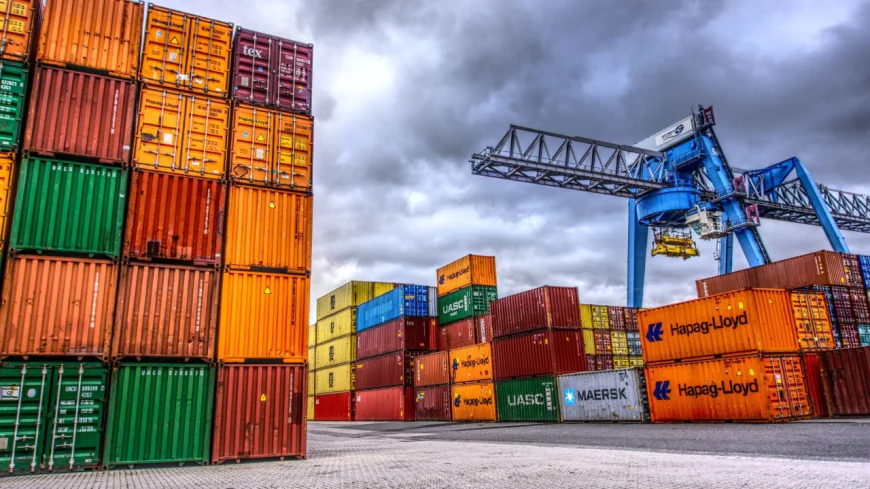
In the modern world of the global market, the transportation of goods between countries cannot be reduced to the use of trucks and ships only. Businesses must comply with complex regulations and their transportation methods, and their operational timetables.
The international shipments handled by freight forwarders require them to manage all aspects of transportation and documentation, and compliance with regulations. Their services are highly advantageous to the companies that depend on international commerce. Shipping companies in Pakistan are common partners of businesses that seek the help of other companies that can guarantee timely and safe transportation. Inadequate freight forwarders can result in damaged goods, extra expenses, and lost time for businesses.
How International Shipping Is Made Simple by Freight Forwarders
Movement of goods between nations may be complicated and demanding. A good freight forwarder in Pakistan makes it easy through the freight logistics, documentation, and customs. Their experience makes the shipments efficient and also makes the shipments to their destinations safe.
Streamlining Logistics
The freight forwarders assist businesses by facilitating logistics. They consider the most optimal shipping methods, the methods and carriers of transport, and shipment. They can consolidate smaller shipments, thereby cutting down the costs and making shipping a more efficient process. Organizing every step individually is not something that companies need to be concerned about.
Technology is a modern application in the freight forwarding industry to track deliveries and plan routes. This feature enhances the accuracy in delivery and minimizes errors. Instead of hours of coordination of transportation, businesses can specialize in production and sales.
Dealing with Documentation and Compliance
International shipping involves a lot of paperwork. Some of them include bills of lading, commercial invoices, packing lists, and certificates of origin. The preparation and management of these documents is carried out by freight forwarders in order to comply with the legal requirements.
They also assist companies to meet the customs laws within individual countries. This minimizes the chances of delays and border holds of shipments. Proper documentation means that there is ease in customs clearance and that fines or penalties are avoided.
Managing Customs and Duties
Clearance of customs may be tedious and time-consuming. Freight forwarders are involved as the middlemen between the businesses and the government agencies. They file statements, compute income taxes, and make sure that all the duties are paid.
Freight forwarders help businesses to avoid unnecessary delays by dealing with customs effectively. They also recommend the regulations, which vary in frequency, that keep the shipments in line with the law.
Reducing Risks in Shipping
Shipment involves risks of cargo damage, theft, and delays. Freight forwarders also reduce these risks by offering insurance facilities. They also have other paths that they would use in case of weather conditions, port congestion,n and political instability.
The forwarders help companies to overcome them and deliver their shipments safely. This is a risk management that gives confidence to companies operating in more than one country.
Negotiating with Carriers
Strong relationships with shipping carriers exist with freight forwarders. Thecanto strike superior rates and service conditions with businesses.
This enables the companies to avoid spending on transportation but still receive quality service. Booking and scheduling are also arranged by forwarders, eliminating business anxieties that require accurate delivery schedules.
Tracking Shipments
Contemporary shipping requires visibility. Freight forwarders are also offering tracking services to ensure that a business is aware of the exact location of its cargo. Live tracking of the position, approximate delivery time, and possible delays assists companies in planning their business operations in a better way.
Forwarders also provide regular updates and notifications, helping businesses respond quickly to any issues. By using forwarders, communication with several carriers is not necessary, and it serves as a single point of contact.
Favouring E-Commerce Development.
The advent of e-commerce has magnified the need to have the most effective international shipping. Freight forwarders also support online retailers in making shipments of products across borders in a fast and reliable manner.
They handle small parcels, combine cargo, and streamline routes. Their knowledge will make sure that the customer gets the orders on time,e and this increases their satisfaction and reputation of the business.
The Advancement of Sustainable Shipping
The concept of sustainability is an emerging issue in logistics. Freight forwarders assist companies in selecting environmentally friendly shipping options. They also optimize routes, consolidate shipments, and choose carriers with reduced carbon footprints. They track energy-efficient practices and recommend greener alternatives whenever possible.
This minimizes the impact on the environment and makes the costs of shipping affordable. By integrating sustainable practices, forwarders help businesses meet environmental goals while maintaining reliable delivery schedules.
Integrating Supply Chains
Freight forwarders are not just in the business of transporting goods. They bring together suppliers, manufacturers, and distributors, making a global supply chain.
They minimize inefficiencies and delays by synchronizing each step. The companies are able to sustain a stable production plan and satisfy the needs of customers without disruption.
Why Businesses Need Freight Forwarders
Freight forwarders provide services that cannot be found in most organizations. They reduce expenses, manage risks, ensure compliance, and improve efficiency. They also deal with complicated paperwork and manage various carriers. They design routes and consolidate shipments to reduce time and expenses.
Without freight forwarders, organizations will have increased paperwork, increased shipping costs, and increased delivery times. Freight forwarders give organizations an edge over their competitors in a competitive global market. They also provide information on regulations, deal with customs, and deliver products safely and on time.
Conclusion
In contemporary shipping, freight forwarders are on the centre stage. They organise logistics, documentation, clearance, and mitigate risks. Their services assist businesses in saving money, time, and expansion throughout the world.
They also enable international shipping to be smoother and more reliable as they combine technology, negotiate with the carrier, and optimize the supply chains. Freight forwarders in the global world have become inevitable companions of every business that needs to transport goods in a safe and fast manner.