Trauma Surgery After Injury: From Accident Scene to Operating Room
Trauma surgery after injury represents a highly coordinated continuum of care that begins at the accident scene and culminates in definitive surgical and rehabilitative management.
 concisemedico
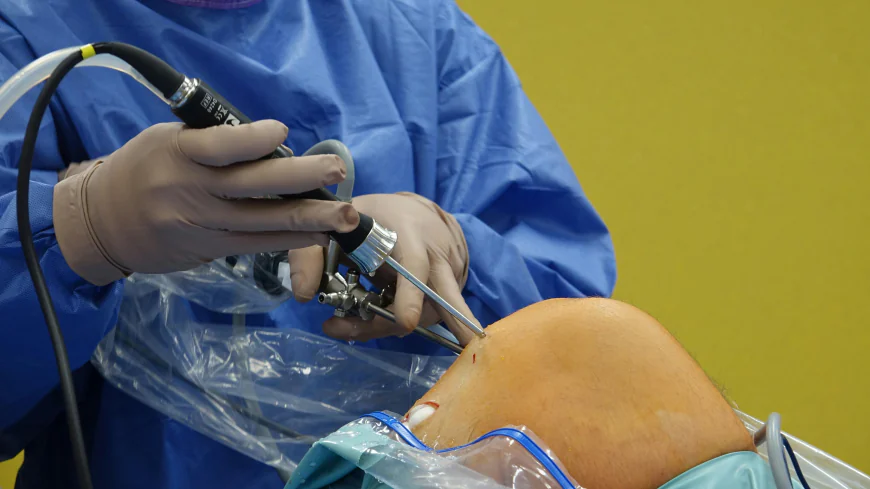
Trauma surgery after injury is a time-critical, protocol-driven medical response designed to preserve life, prevent irreversible organ damage, and restore function following severe physical harm. Whether caused by road traffic collisions, falls from height, industrial accidents, violence, or penetrating wounds, traumatic injuries demand a seamless transition from pre-hospital care to definitive surgical intervention.
This comprehensive guide explores the full clinical pathway from the accident scene to the operating theatre detailing the structured decision-making, surgical priorities, and medico-legal standards that define modern trauma care.
Immediate Response at the Accident Scene: Advanced Trauma Life Support in Action
The success of trauma surgery after injury begins before the patient reaches the hospital. Emergency medical teams implement internationally recognized protocols such as Advanced Trauma Life Support (ATLS), focusing on rapid assessment and stabilization.
Primary Survey: The ABCDE Framework
The first critical intervention follows a structured sequence:
- A – Airway with cervical spine protection
- B – Breathing and ventilation
- C – Circulation with hemorrhage control
- D – Disability (neurological assessment)
- E – Exposure and environmental control
Airway compromise, tension pneumothorax, and massive hemorrhage are treated immediately. Cervical spine immobilization is maintained to prevent secondary spinal cord injury. Hemorrhage control via tourniquets, direct pressure, or hemostatic agents remains the single most decisive life-saving action in the field.
Rapid Transport and Trauma Team Activation
Once stabilized, the patient is transported to a designated trauma center. Pre-arrival notification activates a multidisciplinary trauma team consisting of trauma surgeons, anesthetists, emergency physicians, radiologists, and critical care specialists.
Hospitals operate under tiered trauma activation protocols based on injury severity. Early mobilization of surgical resources significantly reduces mortality in high-energy blunt and penetrating trauma cases.
Emergency Department Assessment: Precision and Speed
Upon arrival, the trauma team performs a secondary survey, a head-to-toe examination supplemented by imaging and laboratory testing.
Diagnostic Tools in Early Trauma Evaluation
- Focused Assessment with Sonography for Trauma (FAST)
- Whole-body CT scan (trauma protocol)
- Portable X-rays
- Arterial blood gas analysis
- Coagulation profile and cross-matching
Time is critical. Internal bleeding, organ rupture, and intracranial hemorrhage must be identified within minutes to determine whether immediate trauma surgery after injury is required.
Decision for Surgery: Indications and Urgency
Not all trauma patients require surgery. However, immediate operative intervention becomes mandatory in cases such as:
- Hemodynamic instability with internal bleeding
- Penetrating abdominal or thoracic injuries
- Open fractures with vascular compromise
- Expanding intracranial hematomas
- Perforated hollow viscera
The surgical decision is guided by clinical presentation, imaging findings, and physiological parameters. Delay increases mortality exponentially in exsanguinating trauma.
Damage Control Surgery: Saving Life Before Restoring Anatomy
In critically unstable patients, trauma surgeons adopt a strategy known as damage control surgery (DCS).
Objectives of Damage Control Surgery
- Control hemorrhage
- Limit contamination
- Temporarily close wounds
- Transfer to intensive care for physiological stabilization
Definitive repair is deferred until the patient’s temperature, acid-base balance, and coagulation profile normalize. This staged approach has revolutionized survival in major trauma.
Operative Techniques in Trauma Surgery After Injury
Trauma surgery is not confined to one specialty. It encompasses multiple anatomical regions depending on the mechanism of injury.
Abdominal Trauma Surgery
- Splenectomy for ruptured spleen
- Liver packing for hepatic lacerations
- Bowel resection for perforations
Thoracic Trauma Surgery
- Thoracotomy for cardiac tamponade
- Lung repair for penetrating chest wounds
- Rib fixation for flail chest
Vascular Trauma Repair
- End-to-end arterial anastomosis
- Bypass grafting
- Temporary intravascular shunting
Orthopedic Trauma Intervention
- External fixation for unstable fractures
- Intramedullary nailing
- Debridement of open fractures
Each procedure prioritizes hemorrhage control and preservation of organ function.
The Golden Hour: Why Time Determines Survival
The first sixty minutes following severe trauma often called the “Golden Hour” represent the most critical window for intervention. Rapid diagnosis, timely surgical access, and aggressive resuscitation dramatically reduce mortality rates.
Delays in definitive trauma surgery after injury increase the risk of:
- Multi-organ failure
- Sepsis
- Traumatic brain deterioration
- Irreversible shock
Intensive Care Management After Trauma Surgery
Post-operative management is equally decisive. Patients are transferred to the Intensive Care Unit (ICU) for:
- Mechanical ventilation
- Vasopressor support
- Continuous hemodynamic monitoring
- Correction of coagulopathy
- Nutritional optimization
Complications such as acute respiratory distress syndrome (ARDS), renal failure, and systemic inflammatory response syndrome (SIRS) require vigilant monitoring.
Rehabilitation and Functional Recovery
Survival is only the first milestone. Comprehensive rehabilitation ensures functional recovery.
Rehabilitation programs include:
- Physiotherapy for mobility restoration
- Occupational therapy
- Neurological rehabilitation
- Psychological counseling for post-traumatic stress
Long-term outcomes depend on early mobilization and coordinated multidisciplinary follow-up.
Medico-Legal Considerations: The Role of the Bolam Test
In trauma care litigation, clinical decisions are evaluated under the bolam test, a legal standard determining whether a medical professional acted in accordance with a responsible body of medical opinion.
In cases involving trauma surgery after injury, courts assess:
- Whether treatment met accepted trauma protocols
- Whether timely surgical decisions were made
- Whether deviations from standard practice were justified
Adherence to established trauma guidelines and documentation of clinical reasoning are critical in medico-legal scrutiny.
Innovations Transforming Trauma Surgery After Injury
Modern trauma systems integrate:
- Hybrid operating rooms with angiography
- Endovascular hemorrhage control techniques
- Point-of-care coagulation testing
- Massive transfusion protocols
- Artificial intelligence-assisted triage
These advancements reduce time to intervention and improve precision in complex polytrauma cases.
Conclusion
Trauma surgery after injury represents a highly coordinated continuum of care that begins at the accident scene and culminates in definitive surgical and rehabilitative management. Every second matters. Structured assessment, rapid decision-making, expert surgical execution, and intensive post-operative care collectively determine survival and long-term recovery.
Precision, protocol adherence, and multidisciplinary coordination remain the foundation of modern trauma surgery saving lives when seconds define the outcome.