How Trusted Digitizing Services Improve Embroidery Quality
Learn how trusted embroidery digitizing in USA improves embroidery quality, stitch accuracy, and production efficiency for professional embroidery businesses.
 digitizing
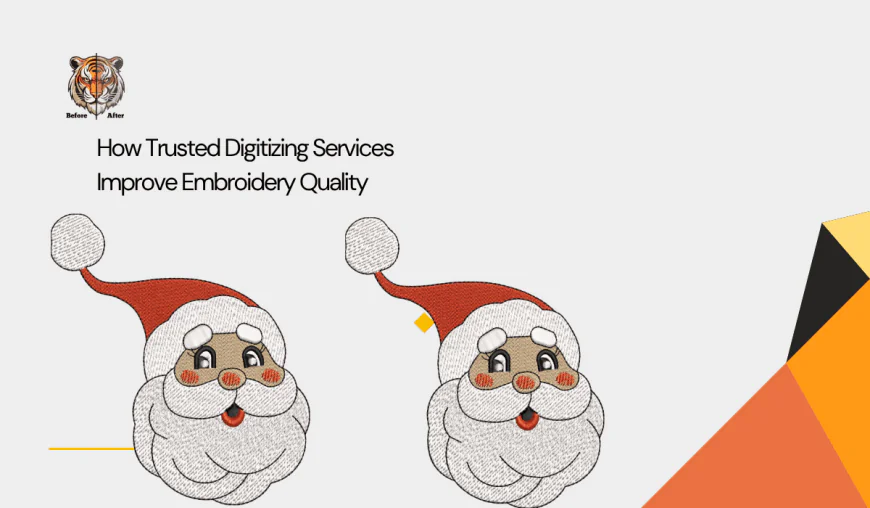
Embroidery quality depends on more than just the machine or thread being used. The real foundation of clean and professional embroidery is the digitizing process behind the design. Even expensive embroidery machines cannot produce good results if the stitch file is poorly prepared. This is why embroidery businesses and apparel brands often rely on Trusted Embroidery Digitizing In USA services to ensure their designs stitch correctly.
Trusted digitizing providers focus on stitch structure, density balance, fabric behavior, and machine efficiency rather than just converting images into embroidery files. This technical approach improves the overall embroidery result and reduces production problems.
This guide explains how professional digitizing services improve embroidery quality, what technical factors they control, and why businesses rely on experienced digitizers.
The Connection Between Digitizing and Embroidery Quality
Digitizing determines how a design will stitch before the embroidery process even begins. Every stitch path, angle, and density setting is planned during this stage.
Professional digitizing affects:
• Stitch smoothness
• Design clarity
• Fabric stability
• Thread performance
• Machine efficiency
Poor digitizing usually results in:
• Uneven stitching
• Thread breaks
• Misaligned elements
• Poor design readability
• Fabric distortion
Because digitizing controls these technical elements, embroidery businesses consider it one of the most important quality factors.
How Trusted Digitizing Services Optimize Stitch Structure
Professional digitizers carefully plan stitch paths to improve embroidery results.
Key improvements include:
Proper stitch sequencing
Experts arrange stitch order to reduce unnecessary trims and thread jumps.
Balanced stitch direction
Changing stitch angles improves design texture and prevents gaps.
Logical design layering
Digitizers plan how layers build on each other to maintain clean edges.
These technical adjustments help improve final embroidery appearance.
How Professional Digitizing Improves Stitch Density Control
Density control is one of the most important technical elements.
Trusted digitizing services adjust density based on:
• Fabric type
• Thread thickness
• Design size
• Machine speed
Proper density prevents:
• Thread breaks
• Fabric puckering
• Needle stress
• Overstitching
This technical balance is a major reason businesses rely on Trusted Embroidery Digitizing In USA providers rather than automatic digitizing tools.
How Underlay Stitches Improve Embroidery Results
Underlay stitches act as a foundation layer beneath visible stitches.
Professional digitizers use underlay to:
• Stabilize fabric
• Improve design shape
• Prevent sinking stitches
• Improve durability
Without proper underlay, embroidery may look uneven or unstable.
Trusted digitizers choose underlay types based on design requirements and fabric behavior.
How Trusted Digitizing Services Improve Lettering Quality
Small text is one of the most difficult elements in embroidery.
Professional digitizers improve lettering by:
• Adjusting stitch width
• Increasing readability
• Improving spacing
• Using proper stitch types
Clear lettering is essential for branding, which is why businesses often depend on reliable digitizing providers.
How Fabric Knowledge Improves Embroidery Quality
Different fabrics behave differently during embroidery.
Trusted digitizers adjust files based on fabric type.
Examples include:
Knits:
Require stretch compensation.
Caps:
Require center-out stitching strategy.
Jackets:
Require density adjustments.
Towels:
Require special underlay for stability.
Professional digitizers prepare files that match fabric behavior rather than using generic settings.
How Machine Efficiency Improves With Trusted Digitizing
Well-digitized files run more smoothly on embroidery machines.
Benefits include:
Reduced thread breaks
Optimized stitch paths reduce stress.
Faster production speed
Balanced density improves stitching efficiency.
Reduced machine wear
Proper stitch planning protects equipment.
Fewer operator adjustments
Stable designs reduce manual corrections.
This is why production-focused companies often partner with experienced providers like idigitize to ensure machine-friendly digitizing.
How Trusted Digitizing Services Improve Design Accuracy
Professional digitizing improves how closely embroidery matches the original design.
Digitizers achieve this by:
• Adjusting stitch angles
• Using proper color sequencing
• Applying pull compensation
• Reinforcing edges
These adjustments help maintain design accuracy after stitching.
Common Quality Problems Caused by Poor Digitizing
Understanding these problems shows why trusted services matter.
Common issues include:
Design distortion
Caused by incorrect density.
Thread looping
Caused by poor stitch paths.
Gaps in fills
Caused by incorrect stitch spacing.
Uneven outlines
Caused by poor layering.
Production delays
Caused by machine interruptions.
Reliable digitizing services focus on preventing these issues before production begins.
Why Embroidery Businesses Invest in Trusted Digitizing Services
Businesses often see digitizing as a quality investment rather than just a design cost.
Benefits include:
• Better product appearance
• Fewer production issues
• Improved customer satisfaction
• Stronger brand presentation
• Reduced operational costs
For commercial embroidery operations, consistent quality is often more valuable than saving a small amount on digitizing costs.
Professional Tips for Improving Embroidery Quality Through Digitizing
Industry professionals often recommend these practices.
Use clean artwork
Clear images produce better stitch files.
Test stitch designs
Testing identifies issues early.
Choose experienced digitizers
Experience improves technical accuracy.
Prioritize quality over speed
Rushed digitizing often reduces quality.
Maintain consistent digitizing partners
Consistency improves long-term results.
Conclusion
Embroidery quality is directly influenced by the quality of the digitizing process. Professional digitizing improves stitch structure, fabric compatibility, machine efficiency, and overall design accuracy. Businesses that rely on embroidery production usually prioritize Trusted Embroidery Digitizing In USA because it helps maintain consistent quality and reduces production risks.
Investing in reliable digitizing services helps embroidery businesses produce cleaner designs, reduce errors, and maintain professional standards that support long-term growth.
FAQ Section
How does digitizing affect embroidery quality?
Digitizing controls stitch placement, density, and structure, which directly affect final embroidery results.
Can poor digitizing damage embroidery machines?
Poor files can increase thread breaks and machine strain but usually do not cause permanent damage.
Do trusted digitizing services improve production speed?
Yes. Well-digitized files run more efficiently and reduce machine stops.
Why is stitch density important?
Proper density prevents gaps and fabric distortion while maintaining design clarity.
Should embroidery businesses outsource digitizing?
Many businesses outsource digitizing because experienced providers often produce more reliable results.