
Scrap Yards Through the Decades: A Mirror of Automotive History
Explore how scrap yards have changed over the decades and how their growth reflects the history of vehicles, materials, and recycling practices.
 johnnyswift
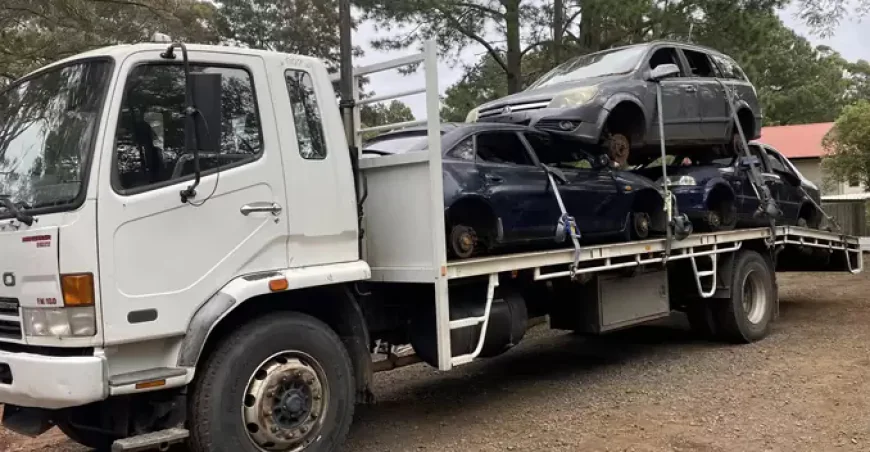
Scrap yards tell a story that often goes unnoticed. Behind stacks of metal and rows of retired vehicles sits a clear record of how the automotive world has changed over time. Each decade left its mark through vehicle design, materials used, and the way cars reached the end of their road life. From basic metal collections to organised vehicle dismantling sites, scrap yards reflect shifts in transport habits, technology, and public thinking.
In Australia and across the world, scrap yards developed alongside the motor industry. As cars became part of everyday life, the need to manage worn-out vehicles grew. This article explores how scrap yards evolved through the decades and how they mirror the history of automobiles themselves.
Early Scrap Yards and the Rise of Motor Vehicles
In the early 1900s, cars were still new to many people. Vehicles were built with basic mechanical parts and heavy steel frames. When these early cars broke down, they were often repaired many times before finally being left behind on private land. Learn more
Scrap yards during this period were informal spaces. Many were family-run operations where owners collected metal, engines, and parts for reuse. There were few rules, and most work was done by hand. Scrap was sorted by sight and experience rather than formal systems.
A key fact from this era is that steel made up most of a vehicle’s weight. Steel was already valuable for reuse, which gave scrap yards an early role in material recovery, even without structured recycling methods.
Post-War Growth and Expansion of Scrap Yards
After World War Two, car production increased rapidly. Factories produced vehicles at a higher rate, and ownership became common among working families. Roads expanded, suburbs grew, and more cars entered daily use.
With this growth came a rise in vehicle disposal. Scrap yards expanded in size and number. Many were located near industrial zones or transport routes. These yards handled large volumes of cars and began to sort parts more carefully.
During the 1950s and 1960s, vehicles often lasted longer due to solid build quality. Scrap yards focused on part reuse. Engines, gearboxes, and panels were removed and sold to keep other cars running. This practice reduced the need for new manufacturing and supported local mechanics.
Design Changes and Their Impact on Scrap Yards
As vehicle design evolved, scrap yards adapted. Cars became lighter and included more materials such as aluminium, plastic, and rubber. By the 1970s and 1980s, fuel efficiency became a stronger focus, leading to thinner metal panels and more complex components.
These changes affected how scrap yards operated. Sorting materials became more important. Aluminium parts gained attention due to their reuse potential. Plastics, once ignored, became part of sorting processes as recycling options developed.
A clear fact is that aluminium recycling uses far less energy than producing new aluminium from raw materials. This made aluminium recovery an important task within scrap yards.
Environmental Awareness and Regulation
The late 20th century brought a shift in public thinking about waste and pollution. Research showed that vehicle fluids such as oil, coolant, and brake fluid could damage soil and water if released untreated. Tyres and batteries also raised health concerns.
Governments responded with laws that shaped scrap yard operations. Vehicles needed proper fluid removal. Storage areas required drainage systems. Hazardous materials needed safe handling.
Scrap yards changed from open dumping areas to managed sites. Training became part of daily work. These changes marked a major step in aligning scrap yards with environmental care.
The Digital Age and Modern Scrap Yards
Modern scrap yards reflect the digital age of vehicles. Today’s cars include sensors, electronic systems, and onboard computers. This requires more careful dismantling methods.
Many yards now record vehicle details digitally. Parts are logged and tracked. This helps reduce waste and supports reuse. Modern equipment assists with cutting, lifting, and sorting heavy materials.
A fact worth noting is that around seventy-five percent of a vehicle can be reused or recycled by weight. Steel, aluminium, copper, and rubber all find second uses when processed correctly.
Scrap Yards as Records of Vehicle Trends
Walking through a scrap yard often feels like stepping through time. Older sections show boxy designs and heavy frames. Newer arrivals reflect curved bodies, plastic panels, and compact engines.
These visual changes mirror shifts in safety rules, fuel standards, and consumer taste. Larger engines gave way to smaller ones. Manual systems were replaced by electronic controls.
Scrap yards quietly preserve this history. Each vehicle shows how design priorities changed across decades.
The Australian Context and Vehicle Disposal
Australia’s car history follows many global trends but also reflects local needs. Long travel distances, harsh weather, and regional driving conditions shaped vehicle choices. As a result, many vehicles remained in use longer than in some other countries.
Scrap yards in Australia often handle vehicles that have seen years of use in demanding conditions. This makes material recovery even more important.
In cities and regional areas, services connected to Car Removal Sydney show how vehicle end-of-life handling fits into urban growth and waste planning. These services link directly to the long-standing role of scrap yards in managing vehicle disposal responsibly.
Linking Scrap Yard History to Modern Vehicle Removal
The evolution of scrap yards also explains the rise of organised vehicle removal services. As cities expanded, leaving old cars on land became less practical. Structured removal helped move vehicles from homes to dismantling sites safely.
Sydney Car Removal fits naturally into this history by acting as a bridge between vehicle owners and scrap yards. By collecting unwanted vehicles and ensuring they reach proper dismantling locations, such services support the modern phase of scrap yard operations while reflecting how the industry has adapted over time.
Looking Ahead: The Future Reflected in Scrap Yards
Scrap yards will continue to change as vehicles change. Electric vehicles introduce new materials and systems, especially batteries that require careful handling. Research continues into better ways to recycle these components.
Manufacturers are also starting to think about end-of-life handling during design stages. This may lead to vehicles that are easier to dismantle and sort.
Scrap yards will remain places where automotive history becomes visible, even as technology advances.
Conclusion
Scrap yards offer more than piles of metal. They reflect how cars evolved, how society used them, and how disposal practices changed over time. From early hand-sorted yards to modern material recovery sites, each decade left its mark.
By understanding scrap yards through history, it becomes clear that vehicle disposal is not an afterthought. It is part of the automotive story itself. As cars continue to shape daily life, scrap yards will remain a mirror of that journey, recording each chapter through the vehicles they receive.