The Evolution of Auto Salvage: From Backyard Junk Piles to High-Tech Recycling Hubs
Learn how auto salvage has changed over time, moving from backyard junk piles to advanced recycling hubs, with real facts and an Australian view.
 johnnyswift
Auto salvage has come a long way over the past century. What once looked like a messy pile of rusted vehicles behind a shed has grown into a well-organised industry with clear systems and modern tools. This change did not happen overnight. It came through shifts in transport needs, safety rules, environmental care, and public awareness.
In Australia, the story of auto salvage reflects how people view waste and reuse. Cars today are more complex than ever before. At the same time, there is a stronger focus on reducing landfill and reusing materials. This article explores how auto salvage developed, why it changed, and where it stands today. Visit Website
Early Days of Auto Salvage
During the early 1900s, cars were built with basic parts and simple designs. When a vehicle stopped working, owners often left it in their backyard or sold it to someone who needed spare parts. There were no set rules for car disposal. Most salvage work happened at home or on small rural properties.
People removed parts like engines, doors, and tyres by hand. Metal that could not be reused often stayed on the land. Oils and fluids leaked into the soil, though very few people understood the long-term harm at the time. Salvage yards were not planned spaces. They grew as vehicles piled up over the years.
At this stage, auto salvage was about reuse only. Environmental care was not part of the conversation. Still, this early period set the base for what came later.
Growth of the Motor Industry and Salvage Yards
As car ownership increased after World War Two, more vehicles reached the end of their life. Cities expanded, and demand for spare parts grew. This led to the rise of small salvage yards near towns and industrial areas.
These yards collected damaged or worn-out cars and stripped them for parts. Mechanics relied on these places to find engines, gearboxes, and panels. This helped keep many vehicles on the road for longer.
Facts from this period show that reused car parts helped reduce manufacturing demand. Producing a new steel part requires far more energy than reusing an existing one. Even without formal systems, salvage yards played a role in saving resources.
Still, many yards lacked proper drainage and storage systems. Waste fluids were often released into the ground. This created pollution problems that later needed attention.
Environmental Awareness and Legal Changes
By the late 1980s and 1990s, governments and communities began to focus on environmental protection. Research showed that car fluids such as oil, brake fluid, and coolant could damage soil and waterways. Old batteries were also found to contain lead and acid that posed health risks.
As a result, rules around vehicle disposal became stricter. Salvage operators had to follow guidelines for fluid removal, waste handling, and storage. Vehicles now needed to be drained and dismantled in a controlled way.
One important fact is that around 75 percent of a vehicle can be recycled by weight. Steel, which makes up much of a car body, can be reused many times without losing strength. Recycling steel uses about 74 percent less energy than making it from raw materials. These figures helped push policy changes.
This period marked a turning point. Auto salvage started to move away from open yards toward organised recycling spaces.
Technology Changes the Salvage Process
Modern vehicles contain electronics, sensors, and complex materials. This forced salvage yards to change their methods. Manual stripping alone was no longer enough.
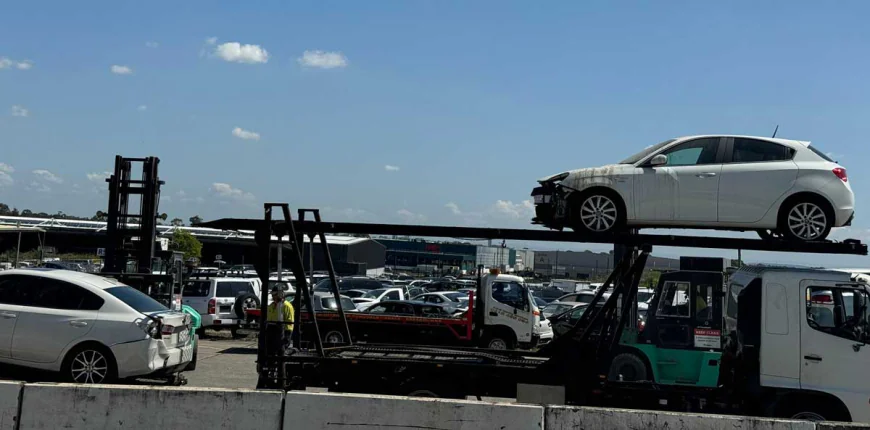
Today, many recycling centres use machinery to safely remove parts and process metals. Fluids are collected and treated. Plastics are sorted by type. Even glass from windscreens can be reused.
Digital systems now track parts from removal to resale. This improves stock control and reduces waste. It also helps buyers find the right part without delay.
In regions like North Queensland, terms such as Auto Wreckers Townsville reflect how local salvage services have adapted to meet modern vehicle needs while following environmental rules.
The Role of Recycling in Modern Auto Salvage
Recycling is now at the core of auto salvage. Cars contain valuable materials such as steel, aluminium, copper, and rubber. When recovered properly, these materials return to manufacturing cycles.
Aluminium is a strong example. Recycling aluminium uses about 95 percent less energy than producing new aluminium from raw ore. Many car parts, including wheels and engine components, contain aluminium.
Tyres also play a role. Old tyres can be processed into road base material or playground surfaces. This reduces landfill use and supports other industries.
These facts show that auto salvage now supports both industry and the environment.
Community Impact and Responsible Practices
Modern salvage centres also affect local communities. Clean sites reduce fire risks and pest problems. Proper fencing and layout improve safety for workers and visitors.
Training has also changed. Staff now learn how to handle hazardous materials and dismantle vehicles without causing harm. This creates safer work conditions and better outcomes.
In many areas, responsible operators work with councils and waste programs to meet local needs. This cooperation helps manage vehicle waste in growing regions.
A Real-World Example of Modern Salvage
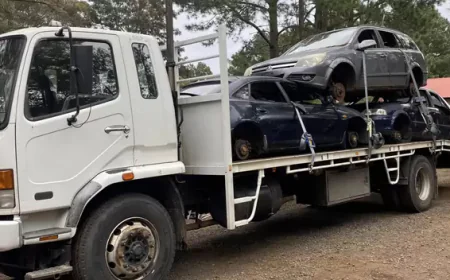
In places where vehicles are essential for daily travel, responsible vehicle recycling supports both drivers and the environment. Services like North Coast Wreckers show how modern salvage fits into this system. By collecting unwanted vehicles and handling dismantling with care, such operations help reduce waste while keeping useful materials in circulation. This approach links directly to the broader shift from backyard piles to organised recycling centres, where each vehicle is treated as a source of materials rather than rubbish.
Looking Ahead: The Future of Auto Salvage
Electric vehicles and hybrid cars are changing the salvage landscape once again. These vehicles include battery systems that require special handling. Lithium-ion batteries, for example, must be removed and stored under strict conditions.
Research continues into better battery recycling methods. As these vehicles become more common, salvage yards will adapt their tools and training.
Another trend is design for recycling. Car makers are starting to think about end-of-life handling during the design stage. This may lead to vehicles that are easier to dismantle and reuse.
Conclusion
The journey of auto salvage reflects wider changes in society. What began as informal backyard work has grown into an organised industry shaped by rules, research, and responsibility. Facts about energy savings and material reuse show why this change matters.
Auto salvage today is not only about parts. It is about resource care, safety, and long-term planning. As vehicles continue to change, salvage practices will continue to evolve, keeping their role important in Australia’s transport and recycling story.