Innovative Office Design and Planning Ideas with Aesthetic Enhancements for Modern Teams
The traditional office—rigid cubicles, plain desks, and monotone walls—is a relic of the past. Today’s workplaces are living, breathing environments designed to inspire creativity, collaboration, and well-being.
 DanielaLJones
The traditional office—rigid cubicles, plain desks, and monotone walls—is a relic of the past. Today’s workplaces are living, breathing environments designed to inspire creativity, collaboration, and well-being. As organizations embrace hybrid work structures, diverse team dynamics, and digital-first operations, the need for innovative office design and planning has never been greater. Modern teams want more than a place to work—they want an environment that stimulates performance, reflects brand identity, and feels like an extension of their personality.
This evolution has led to a surge in designs that merge functionality with aesthetic appeal. The modern office isn’t just built to accommodate work processes; it’s crafted to enhance them. From smart layouts to sensory-driven spaces and visually captivating decor, thoughtful design choices transform office spaces into strategic assets that influence productivity, engagement, and employee satisfaction.
Why Modern Office Design Matters
Workplace design is no longer a cosmetic exercise—it’s a business investment. Research consistently shows that well-designed workspaces improve:
- Employee engagement and motivation
- Collaboration and communication
- Talent retention and employer branding
- Innovation and decision-making speed
- Mental health and overall well-being
Aesthetics, style, and environment are crucial elements of organizational culture. When people enjoy the space they work in, they feel more connected, creative, and purposeful. This emotional impact gives organizations a measurable edge.
Key Innovative Office Design Ideas for Modern Teams
1. Agile and Activity-Based Layouts
Modern teams need flexibility. Rather than assigning static desks, activity-based workspaces allow employees to choose zones based on their tasks.
Common zones include:
- Focus pods for uninterrupted deep work
- Collaboration hubs for brainstorming
- Casual lounges for informal discussions
- Tech-enabled meeting rooms for hybrid calls
- Touchdown desks for remote team members visiting onsite
This eliminates monotony and makes the office a dynamic ecosystem that matches the fluidity of today’s workstyles.
2. Biophilic Design for Emotional Wellness
Nature-inspired design is no longer a trend—it is a necessity. Biophilic elements reduce stress, improve cognitive function, and boost creativity.
Designers integrate:
- Indoor green walls and potted plants
- Natural materials like bamboo, stone, and wood
- Large windows for daylight access
- Water-inspired art or textures
Biophilia transforms workspaces from sterile environments into refreshing sanctuaries that support well-being.
3. Smart and Connected Workspaces
Technology isn’t just an add-on—it’s a core design element. Modern offices incorporate tech-driven enhancements that improve efficiency and experience:
- IoT-powered occupancy sensors
- Smart height-adjustable desks
- Wireless charging points built into tables
- AI-enabled meeting room booking systems
- Integrated AV furniture for seamless conferencing
When technology blends invisibly with the design, teams experience smooth workflows without clutter.
4. Aesthetic Enhancements That Make an Impact
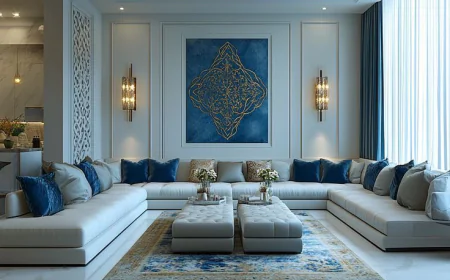
Visual appeal influences emotions, brand perception, and energy levels. Modern offices embrace aesthetics as strategically as functionality.
Popular enhancements include:
- Bold color palettes aligned with corporate values
- Accent walls featuring brand slogans or artwork
- Architectural lighting that highlights textures and mood
- Signature furniture pieces that reflect leadership personality
- Curved lines and fluid forms replacing rigid edges
These elements turn ordinary offices into experiential environments.
5. Multi-Sensory Design Experiences
Sensory-driven offices engage employees beyond sight alone. Designers now enhance:
- Sound through acoustic panels and noise zoning
- Touch via textured materials and ergonomic furniture
- Scent with subtle aroma diffusers for calmness
- Temperature through intelligent HVAC zones
Such environments reduce cognitive overload and create atmospheres that support focused work and relaxation.
6. Hybrid Work Accommodation
Future-proof offices embrace hybrid teams. Flexible furniture, shared docking stations, and socially distanced layouts ensure in-office and remote work coexist seamlessly.
Elements include:
- Reconfigurable seating
- Mobile whiteboards for impromptu ideation
- Digital collaboration suites
- Private huddle rooms for virtual communication
This adaptability ensures relevance regardless of workforce trends.
Design Aesthetics That Define Modern Workspaces
Aesthetic clarity is powerful—people think better in clean, inspired spaces. Current aesthetic directions include:
- Minimalist Scandinavian themes with soft palettes
- Industrial chic using exposed brick and metals
- Luxury corporate style with marble and polished veneers
- Futuristic neon-enhanced zones for creative industries
- Wellness lounges inspired by hospitality design
Each style conveys personality and shapes brand identity.
Conclusion: The Office Is Now an Experience
Modern office design has transcended function—it has become a narrative. Every color, chair, texture, and workspace zone tells a story about how an organization values its people and how it sees its future. By merging innovative planning concepts with thoughtful aesthetic enhancements, companies create environments that invigorate teams, fuel innovation, and strengthen emotional belonging.
Office interior design in Vadodara creates modern, functional workspaces that enhance productivity and reflect your brand’s identity. Expert designers blend style and efficiency to deliver inspiring environments tailored to your business needs.