
Guilt-Free Snacking at Work: A Complete Guide to Healthy Vending Machine Options for Modern Offices
 vendingsystem
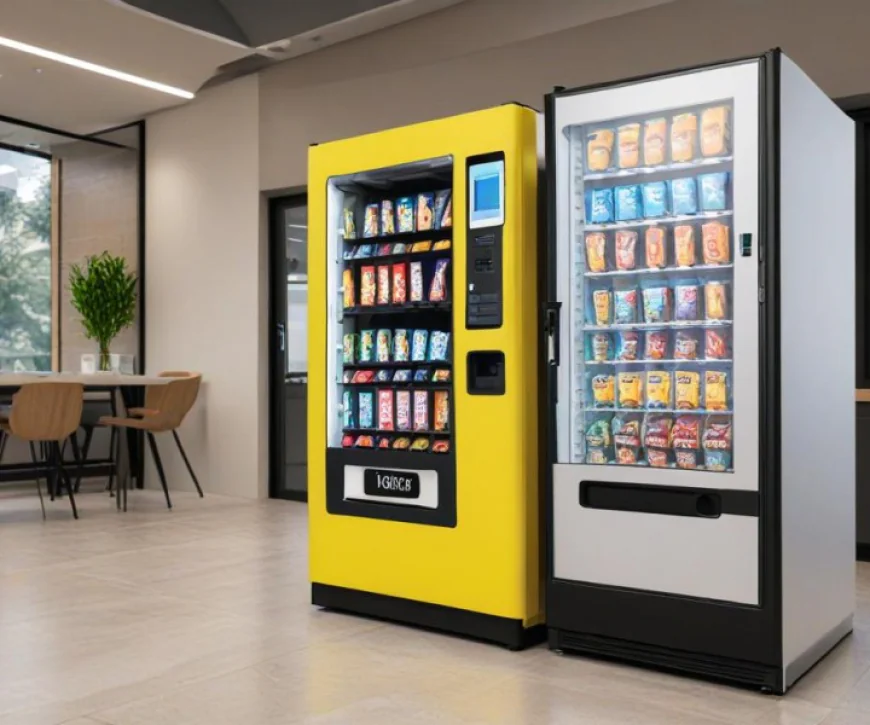
Snacking at work has changed over the years. It is no longer about grabbing whatever is closest when hunger strikes. Office employees today spend long hours at desks, attend back-to-back meetings, and manage deadlines that demand focus and steady energy. What people eat between meals can affect concentration, mood, and daily output. This has placed new attention on the role of healthy snack machines. Healthy snack access inside the workplace supports better food choices without disrupting work routines. When options are chosen carefully, vending machines can help staff avoid skipped meals, energy crashes, and reliance on sugary products. This guide explains how healthy vending options work, what to stock, and why modern offices across Australia are paying attention to this shift.
“Food choices during the workday shape how the rest of the day feels.”
We have all been there. The clock strikes 3 PM, energy levels plummet, and suddenly that vending machine in the break room starts calling your name. You walk over, scan the rows of chips, chocolate bars, and sugary drinks, and make a choice you know you will regret later. The temporary energy boost fades within an hour, leaving you more tired than before and carrying a heavy dose of guilt.
But what if your office vending system offered something different? What if instead of processed snacks loaded with sugar and empty calories, you could grab something that actually fuelled your body and brain? The landscape of workplace nutrition is changing across Australia, and modern offices are discovering that guilt-free snacking is not just possible but incredibly practical. This guide will walk you through everything you need to know about Nutritious vending options that keep employees satisfied, energised, and genuinely happy with their food choices.
Understanding this idea helps employers plan office snacking solutions that suit real office needs rather than habits from the past.
Why Does Workplace Snacking Matter So Much?
Before diving into specific snack options, let us examine why this topic deserves serious attention. The average Australian employee spends roughly 38 hours per week at work, according to the Australian Bureau of Statistics. That represents a significant portion of waking hours where food choices directly impact health, mood, and productivity.
Research from the CSIRO shows that Australians consume approximately 35% of their daily calories during work hours. When those calories come from nutrient-poor sources, the consequences extend far beyond waistlines. Poor nutrition during work hours correlates with decreased concentration, reduced problem-solving ability, and increased irritability.
A study published in the British Journal of Health Psychology found that employees who ate more fruits and vegetables during their workday reported feeling more engaged, creative, and happier compared to days when they consumed less nutritious options. The connection between what we eat and how we perform is not subtle. It is direct, measurable, and significant.
What Makes a Snack Actually Healthy?
The term "healthy snack" gets thrown around constantly, but what does it genuinely mean? Many products marketed as wholesome options contain hidden sugars, excessive sodium, or highly processed ingredients that undermine their nutritional value.
Truly nourishing snacks share several common characteristics:
- Whole food ingredients: The ingredient list should contain recognisable items you could find in nature
- Balanced macronutrients: Look for combinations of protein, healthy fats, and complex carbohydrates
- Minimal added sugars: Ideally under 8 grams per serving
- Adequate fibre: At least 3 grams helps maintain stable blood sugar levels
- Reasonable portion sizes: Even healthy foods need appropriate serving sizes
The goal centres on choosing snacks that provide sustained energy rather than quick spikes followed by crashes. Foods rich in protein, fibre, and healthy fats digest slowly, keeping you satisfied longer and maintaining steady glucose levels throughout the afternoon.
"The best workplace snacks combine protein, fibre, and healthy fats to provide lasting energy without the sugar crash." — Nutritionist Dr Sarah Brewer
What Should Your Office Vending Machine Actually Contain?
Popular Categories for Health-Focused Vending
A balanced vending mix usually includes:
-
Nuts and seed packs
-
Protein bars with minimal added sugar
-
Dried fruit in controlled portions
-
Wholegrain snack items
-
Still and sparkling water
This range supports varied tastes without overcrowding the machine.
Let us get specific. Here are the categories and actual products that transform a traditional Nutritious vending options into a nutrition powerhouse.
Nuts and Seeds
Raw or roasted almonds, cashews, walnuts, and mixed nuts provide excellent protein and healthy fats. A 30-gram serving delivers approximately 6 grams of protein and keeps hunger at bay for hours. Pumpkin seeds and sunflower seeds offer similar benefits with added minerals like magnesium and zinc.
Look for options without added oils or excessive salt. Dry roasted varieties work brilliantly and maintain their crunch without the extra calories from frying.
Protein-Rich Options
Hard-boiled eggs represent one of the most complete protein sources available, containing all nine essential amino acids. Greek yoghurt cups with 15-20 grams of protein per serving offer another excellent choice, particularly when paired with fresh berries or a small amount of granola.
Protein balls made from dates, nuts, and seeds have gained massive popularity in Australian offices. These bite-sized snacks typically contain 5-8 grams of protein per serving and satisfy sweet cravings without refined sugars.
Whole Grain Choices
Popcorn might surprise you, but when air-popped and lightly seasoned, it provides whole grains and fibre at only 30 calories per cup. Rice crackers paired with individual hummus portions create a satisfying combination of complex carbohydrates and plant-based protein.
Oat-based snack bars with minimal ingredients also fit this category. Check labels carefully, as many brands disguise candy bars as health food with clever marketing.
Fresh Produce
Refrigerated Organic vending selections can stock pre-cut fruit cups, baby carrots, cherry tomatoes, and apple slices. Fresh fruit contains natural sugars, but the fibre content slows absorption, preventing the blood sugar spikes associated with processed sweets.
Dried fruit works when fresh options are not practical, but watch portion sizes since the concentrated sugars add up rapidly.
Smart Packaged Snacks
Roasted chickpeas deliver crunch and satisfaction with added protein and fibre. Seaweed snacks provide minerals and umami flavour at minimal calories. Nut butter packets paired with whole grain crackers or apple slices create a balanced mini-meal.
Dark chocolate with 70% cocoa or higher offers antioxidants and satisfies chocolate cravings with less sugar than milk chocolate varieties. A small 20-gram square provides enough indulgence without derailing healthy eating patterns.
How Do You Get Employees Actually Eating These Options?
Here lies the challenge many offices face. You can stock the world's most nutritious snacks, but if nobody buys them, the initiative fails. Success requires more than good intentions.
Pricing plays a crucial role. When healthy options cost significantly more than junk food alternatives, many employees default to the cheaper choice regardless of health implications. Subsidising nutritious snacks or pricing them competitively with less healthy options removes this barrier.
Variety matters tremendously. People have different taste preferences, dietary restrictions, and cultural food backgrounds. A vending machine stocked entirely with protein bars and almonds will not appeal to everyone. Rotate selections regularly and gather feedback about what actually gets consumed.
Education makes a difference too. Many employees genuinely want to make better choices but feel confused by nutrition information. Simple signage highlighting which snacks provide sustained energy versus quick sugar hits helps people make informed decisions without feeling lectured.
One company revolutionising workplace nutrition across Australia has cracked the code on this challenge. By combining careful product curation with modern vending technology, they help offices create snacking environments where the healthy choice becomes the obvious choice. Their approach focuses on understanding actual consumption patterns rather than imposing theoretical ideals. The machines track which items sell and which sit untouched, allowing real-time adjustments that keep employees engaged and satisfied. This data-driven method has helped hundreds of Australian workplaces transition from traditional vending to Automated snack dispensers that people actually use.
What About Dietary Restrictions and Allergies?
Modern workplaces embrace diversity, and that includes dietary needs. Your vending selection should accommodate various requirements without making anyone feel excluded or forcing them to bring all their food from home.
Gluten-free options have become widely available, from rice crackers to specialised protein bars. Vegan snacks including fruit, vegetables, nuts, seeds, and many packaged options cater to plant-based eaters. Dairy-free alternatives like coconut yoghurt or almond-based products serve those with lactose intolerance.
Clear labelling is not negotiable. Every product should display allergen information prominently. Some companies use colour-coded tags to help employees identify safe options at a glance.
How Much Does This Actually Cost?
Budget concerns often derail healthy vending initiatives before they start. The perception that nutritious snacks cost dramatically more than junk food holds some truth but also contains misconceptions.
Bulk purchasing reduces per-unit costs significantly. Buying cases of products directly from wholesalers rather than retail channels cuts expenses by 30-40%. Some suppliers offer discounts for long-term contracts or high-volume orders.
The total cost analysis should include hidden expenses of unhealthy snacking. When employees feel sluggish, unwell, or guilty about their food choices, productivity suffers. The Australian Institute of Health and Welfare estimates that poor nutrition costs Australian businesses billions annually through reduced output and increased sick leave.
Investing $50-100 weekly to stock a healthy vending machine for offices becomes negligible when weighed against the productivity gains and improved workplace morale.
What Results Can You Actually Expect?
Numbers tell compelling stories. A workplace wellness study conducted across multiple Australian companies found that offices with healthy snacking options saw a 23% reduction in afternoon energy slumps reported by employees. The same study documented a 15% decrease in vending machine-related purchases of sugary drinks when better alternatives existed.
Employee satisfaction surveys consistently show that workplace nutrition matters to people. The 2023 Workplace Wellness Report found that 68% of Australian workers consider healthy food options an important workplace perk, ranking it above free parking in some metropolitan areas.
The guilt factor deserves mention too. When employees make food choices they feel good about, it positively impacts their entire day. The psychological boost from eating well should not be underestimated.
Making the Transition Happen
Switching from traditional vending to healthier options need not happen overnight. A gradual transition often works better than abrupt changes that might alienate emp
loyees who favour familiar choices.
Start by introducing a few nutritious options alongside existing products. Gather feedback about what people actually buy and enjoy. Phase out the least healthy items gradually while expanding the nutritious selections based on demonstrated preferences. Communication matters during this transition. Explain why the changes are happening, emphasise that employee wellbeing drives the decision, and remain open to suggestions. People support changes they help shape.
The Final Word on Guilt-Free Workplace Snacking
Creating a work environment where snacking becomes a source of energy rather than regret requires thought, planning, and genuine commitment to employee wellbeing. But the rewards—improved health, better productivity, and happier teams—make every effort worthwhile.
Australian offices are waking up to the reality that what employees eat matters just as much as where they work or what equipment they use. Healthy vending options represent more than a wellness trend. They signal that companies care about their people beyond the hours they clock and the tasks they complete.
Your office vending machine can become a source of nourishment, energy, and satisfaction rather than a repository of guilty pleasures and regrettable choices. The question is not whether this change is possible but how soon you will make it happen. Your employees are ready. The options exist. The benefits are clear. Now comes the action.