How Delivery Apps Changed Customer Behavior
Explore how delivery apps transformed consumer habits. From the end of patience to the demand for personalization, learn how the on-demand economy rewired us.
 kubricks
The doorbell rings. It’s dinner. Or groceries. Or maybe even a new phone charger. We don’t think twice about it anymore. Just a decade ago, the idea of having nearly anything delivered to your doorstep in under an hour felt like a luxury reserved for the wealthy or a scene from a sci-fi movie. Today, it is simply how the world works.
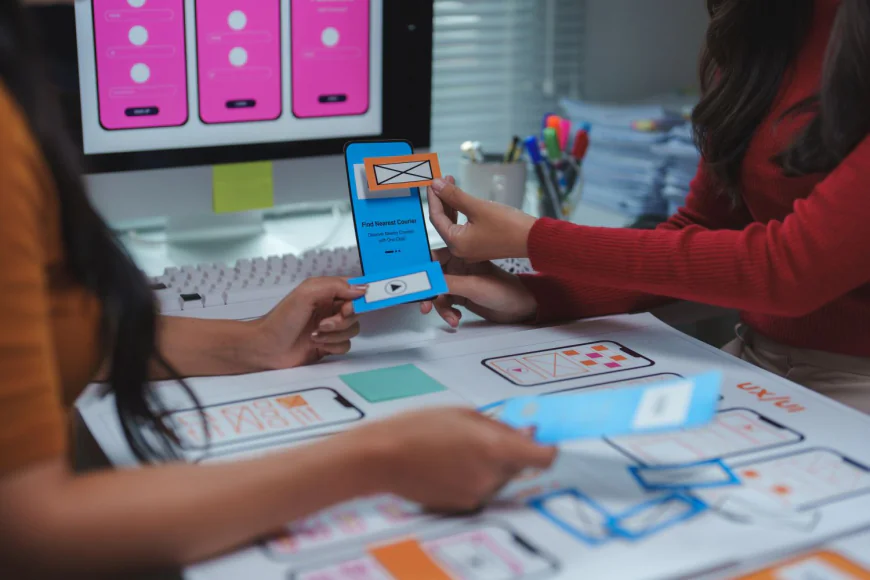
This is where the role of mobile application development becomes critical. It is the bridge between a business idea and customer satisfaction. The user interface must be intuitive enough for a child to use, yet the backend must handle thousands of simultaneous requests without crashing.
Delivery apps have done more than just streamline logistics; they have fundamentally rewired human psychology and consumer habits. The shift wasn't gradual. It was an aggressive overhaul of expectations that transformed patience into a relic of the past. From the way we eat to how we shop for essentials, the digital convenience economy has set a new standard for customer interaction.
This article explores the profound impact delivery platforms have had on modern behavior, examining the rise of the "now" economy, the demand for hyper-personalization, and how our reliance on screens has reshaped the traditional marketplace.
The Era of Instant Gratification
The most significant change delivery apps introduced is the collapse of patience. In the past, waiting three to five business days for a package was standard. Ordering food meant calling a restaurant, reading credit card numbers over the phone, and hoping the order arrived correct.
Now, friction is the enemy. Customers expect frictionless interfaces where a few taps result in immediate action. This shift has birthed the "on-demand" mindset.
Redefining "Fast"
Speed is no longer a perk; it is the baseline requirement. When a user opens a delivery app, they aren't just looking for a product; they are buying time. Whether it is a 15-minute grocery delivery promise or real-time tracking of a pizza, the ability to see progress builds a psychological need for speed.
If an app loads slowly or the delivery estimate exceeds 45 minutes, users often abandon the cart and switch to a competitor. This behavior signals a massive shift in loyalty. Brand allegiance now takes a backseat to logistical efficiency. The best product doesn't always win; the fastest one often does.
The Death of the Weekly Shop
The concept of the "big weekly grocery shop" is fading. Delivery apps allow consumers to buy what they need, exactly when they need it. This has led to fragmented purchasing patterns. Instead of one large transaction, customers now make multiple micro-transactions throughout the week.
This behavior alters inventory management for businesses and changes how households budget. We are less likely to meal plan for seven days and more likely to decide what we want to eat at 5:00 PM on a Tuesday. Spontaneity has replaced structure.
The Expectation of Total Transparency
Before the app revolution, once an order was placed, it entered a "black box." You didn't know where it was until it arrived. Today, customers demand total visibility.
Real-Time Tracking
The little map showing a driver’s route isn't just a fun feature; it’s a psychological comfort. It provides a sense of control. If a driver takes a wrong turn, the customer knows immediately. This transparency has increased trust in digital transactions but also heightened anxiety.
When the tracking feature glitches, customers often feel a disproportionate sense of panic or frustration. The expectation is that technology should work perfectly, every time. This puts immense pressure on the backend systems that power these platforms.
Accountability and Reviews
Delivery apps democratized feedback. The review system forces businesses to maintain high standards because a drop in star rating can be catastrophic. Customers now rely heavily on social proof. A restaurant with amazing food but poor delivery packaging will suffer because the delivery experience is now inextricably linked to the product quality.
Consumers are quicker to voice dissatisfaction. The barrier to complaining is lower—usually just a few taps in a support chat—which forces companies to resolve issues instantly to prevent churn.
Personalization: The Algorithm Knows Best
We like to think we make our own choices, but delivery apps play a massive role in decision-making. Through data analysis, these platforms curate options tailored to individual tastes.
The Paradox of Choice
Having access to hundreds of restaurants or stores can be overwhelming. This is known as the paradox of choice—too many options lead to anxiety and indecision. Apps solve this by filtering choices based on past behavior.
"Order again" buttons and "Recommended for you" sections reduce cognitive load. Over time, this trains customers to stay within their comfort zones. We become creatures of habit, guided by algorithms that reinforce our existing preferences rather than encouraging us to try something new.
Predictive Ordering
The most advanced apps are moving toward predictive ordering. By analyzing time of day, weather, and past orders, apps can suggest comfort food when it’s raining or healthy options on a Monday morning. Customers have grown accustomed to this level of intuition. When an app suggests exactly what you were craving before you even searched for it, it strengthens the bond between user and platform.
The Invisible Tech Behind the Change
None of this behavioral shifting happens by magic. It is the result of sophisticated engineering and design. The seamless experience of browsing a menu, paying via digital wallet, and tracking a driver requires complex infrastructure.
Behind every smooth transaction are teams of app developers constantly refining code, optimizing GPS integration, and ensuring payment security. Their work effectively renders the technology invisible. When the tech works well, the customer focuses solely on the convenience. It is only when the tech fails that the user realizes how dependent they have become on the software.
The Decline of Human Interaction
A subtle but profound change is the preference for contactless interaction. Delivery apps allow users to complete entire transactions without speaking to a single human being.
The "Leave at Door" Default
The "contactless delivery" option, popularized during the pandemic, has stuck. Many customers prefer to have food dropped off without the need for small talk or face-to-face interaction. This signals a shift toward prioritizing privacy and solitude.
For introverted consumers or tired parents, this is a major selling point. However, it also removes the human element of service. The smile from a cashier or the recommendation from a waiter is replaced by cold, efficient UI. We are trading social friction for digital efficiency.
Automation of Support
Even when things go wrong, we rarely talk to people. Chatbots and automated help centers handle refunds and missing items. Customers have learned to navigate these automated trees to get results. While efficient, it further distances the consumer from the business, turning the transaction into a purely utilitarian exchange.
Conclusion
Delivery apps have done far more than move goods from point A to point B. They have retrained us to expect the world at our fingertips. Our patience has dwindled, our demand for transparency has skyrocketed, and our purchasing habits have fragmented into impulsive micro-moments.
As technology continues to evolve, likely integrating drones and AI-driven logistics, these behaviors will only deepen. For businesses, the lesson is clear: the modern customer values time and convenience above almost everything else. To win their loyalty, you must fit seamlessly into their on-demand life, offering speed without sacrificing quality. We are no longer just buying products; we are buying the experience of getting them instantly