
How to Enroll in an Online Darse Nizami Course in Pakistan Effectively
Enroll in an online Darse Nizami course in Pakistan to study Islamic sciences flexibly. Explore Quran, Hadith, Fiqh, and Arabic with certified scholars from anywhere in the country.
 navicoads
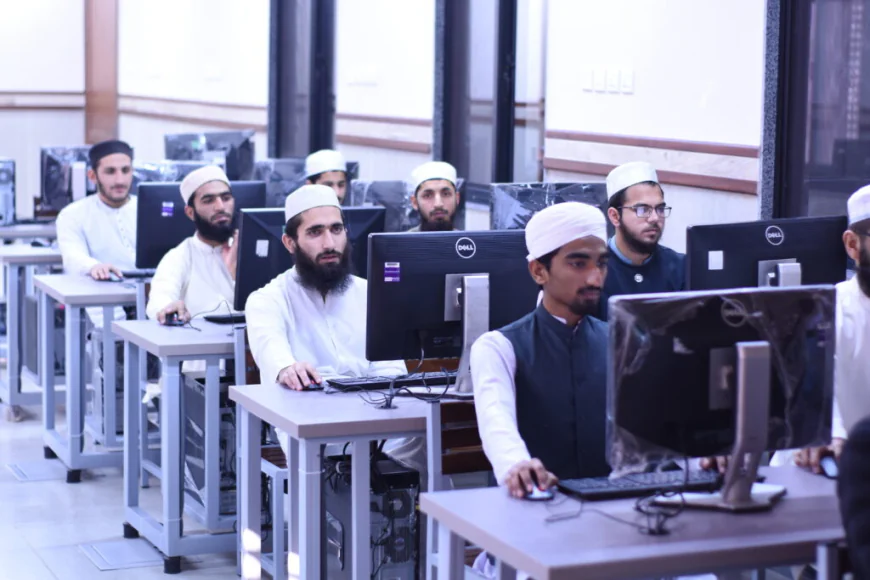
The Darse Nizami curriculum has long been the backbone of traditional Islamic education in South Asia. Rooted in classical scholarship, it equips students with knowledge in Quranic exegesis, Hadith studies, Fiqh, logic, Arabic literature, and other essential Islamic sciences. In Pakistan, the demand for Darse Nizami has grown beyond physical madrasas, and the availability of online courses has made this classical education accessible to students nationwide and internationally. Understanding the structure, benefits, and enrollment process of an online Darse Nizami course in Pakistan is crucial for those seeking structured Islamic learning in a digital format.
The Rise of Online Islamic Education in Pakistan
Over the last decade, Pakistan has witnessed a surge in online education platforms offering traditional Islamic studies. The transition from classroom-based madrasas to virtual learning environments has been accelerated by technological advancements and the increasing need for flexible learning schedules. Students from remote areas, who previously had limited access to recognized Islamic scholars, can now pursue Darse Nizami studies from home.
Online courses in Darse Nizami combine classical syllabi with digital teaching tools, including live lectures, recorded sessions, interactive Q&A, and downloadable resources. These platforms often allow students to study at their own pace, making it easier for those balancing work, family commitments, or higher education alongside religious studies.
Structure of a Digital Darse Nizami Program
An online Darse Nizami course in Pakistan typically mirrors the traditional curriculum while incorporating modern teaching techniques. The program usually spans several years, covering a progressive series of subjects. Early stages focus on Arabic grammar, syntax, and foundational Quranic studies. Intermediate stages introduce Hadith collections, jurisprudence (Fiqh), and principles of Islamic law. Advanced stages often include logic, philosophy, and Tafseer (Quranic exegesis).
Courses are designed to accommodate students at different learning levels. Beginners can start with foundational modules, while advanced learners can directly access higher-level content. Most programs also provide structured assessments and feedback, ensuring students understand the material thoroughly.
Advantages of Online Learning Over Traditional Madrasa Education
The online format offers several advantages for Pakistani students seeking Darse Nizami studies. Firstly, geographic limitations are removed. Students in rural areas or abroad can access lectures from renowned scholars without relocating. Secondly, recorded lessons allow learners to revisit complex topics, which is particularly beneficial for subjects like Arabic grammar and Fiqh, where repetition aids comprehension.
Time flexibility is another major benefit. Students can attend live sessions or watch recorded lectures according to their convenience, allowing them to balance studies with other responsibilities. Furthermore, many online programs provide access to digital libraries and supplementary resources that traditional madrasas may not offer, enhancing the learning experience.
Enrollment Process and Requirements
Enrolling in an online Darse Nizami course in Pakistan generally involves a few straightforward steps. Interested students must first identify a reputable online platform or madrasa offering certified courses. Most platforms require basic academic qualifications, a commitment to regular attendance, and a stable internet connection. Some programs may also conduct a preliminary assessment to gauge the student’s Arabic language skills and prior knowledge of Islamic studies.
Once accepted, students receive login credentials for the online portal. They can access course schedules, lecture recordings, assignments, and reading material. Continuous interaction with instructors is encouraged through live Q&A sessions, discussion forums, or one-on-one mentorship, ensuring a comprehensive learning experience.
Cost Considerations and Scholarships
Tuition fees for online Darse Nizami courses in Pakistan vary depending on the institution and program structure. Some platforms charge monthly or annual subscriptions, while others may offer full-program fees upfront. Scholarships or financial assistance options are increasingly available for deserving students, particularly for those from low-income families or remote regions.
Compared to traditional madrasas, online courses can be cost-effective. Students save on transportation, boarding, and accommodation expenses, making the program more accessible to a wider demographic.
Career and Religious Benefits
Completing an online Darse Nizami course equips students with recognized Islamic scholarship credentials, opening paths to teaching, research, and religious leadership. Graduates may pursue roles as madrasa instructors, Islamic content creators, or scholars contributing to community education.
The course also strengthens personal religious knowledge, providing students with a deeper understanding of Islamic jurisprudence, Quranic interpretation, and Hadith studies. The flexibility of online learning allows students to integrate these skills into their professional or personal lives seamlessly.
Choosing the Right Online Program
Selecting the right online Darse Nizami course in Pakistan requires careful consideration. Students should evaluate the credibility of the institution, qualifications of the instructors, and comprehensiveness of the syllabus. Reviews from alumni and the availability of live sessions or mentorship can also be important deciding factors.
Additionally, verifying whether the course offers recognized certification is crucial. Accredited programs add credibility for future teaching or scholarly pursuits, ensuring that the effort invested translates into professional or academic opportunities.
Future of Online Darse Nizami Learning
The future of Darse Nizami studies in Pakistan is increasingly digital. With improvements in internet infrastructure and growing acceptance of online education, more students are likely to adopt virtual learning platforms. Integration of multimedia tools, interactive quizzes, and live discussions will continue to enhance engagement, making classical Islamic scholarship more approachable and modernized.
In conclusion, enrolling in an online Darse Nizami course in Pakistan offers flexibility, accessibility, and a structured path to mastering traditional Islamic sciences. With careful selection of a reputable program, commitment to studies, and utilization of digital resources, students can gain both religious knowledge and credentials that support personal growth and professional opportunities in the field of Islamic education.