
The Complete Guide to Barcodes for Clothing Brands and Apparel Sellers
Learn how barcodes for clothing help apparel brands manage sizes, colors, inventory, and marketplace compliance efficiently.
 gs1upcbarcodes
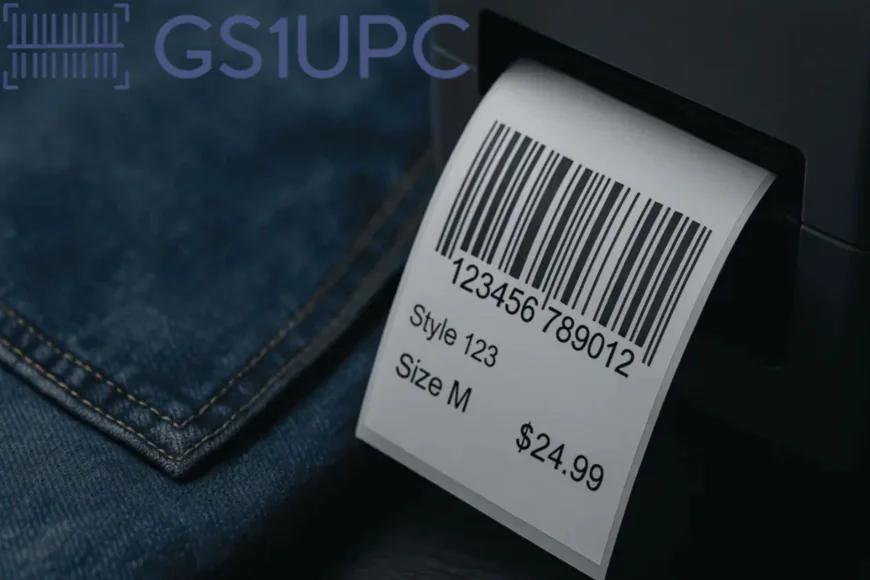
The clothing and apparel industry operates at a scale and speed that few other retail sectors can match. With constant style changes, seasonal launches, and multiple product variations, managing apparel inventory efficiently is both critical and challenging. At the center of this system lies one essential element: barcodes for clothing.
Whether you’re a startup fashion brand, a private-label seller, or an established apparel retailer, understanding how barcodes work and how to use them correctly can directly impact sales, inventory accuracy, and marketplace compliance.
Why Barcodes Are Essential in the Apparel Industry
Clothing products are rarely sold as single, fixed items. Most apparel products come in multiple:
-
Sizes
-
Colors
-
Fits or styles
-
Materials or fabric blends
Each variation must be treated as a unique product unit. Barcodes make this possible by assigning a scannable, machine-readable identifier to every individual variation.
Without proper barcodes, clothing brands face problems such as:
-
Inventory mismatches
-
Overselling popular sizes
-
Incorrect product listings
-
Warehouse picking errors
-
Marketplace listing rejections
Barcodes ensure that every item is accurately tracked from manufacturing to final sale.
What Type of Barcode Is Used for Clothing?
The most widely accepted barcode for clothing products is the UPC (Universal Product Code), which is part of the global GS1 standards system. UPC barcodes are used across:
-
Retail stores and POS systems
-
Warehouses and fulfillment centers
-
Online marketplaces like Amazon and Walmart
-
Inventory and ERP software
GS1-standard UPC barcodes ensure that each product is globally unique and recognized by retailers and marketplaces worldwide.
One Product, Multiple Barcodes: Understanding Apparel Variations
A common mistake among new clothing brands is using one barcode for all variations of a product. In reality, each size and color combination requires its own barcode.
For example:
-
Black T-shirt – Size Small → 1 barcode
-
Black T-shirt – Size Medium → 1 barcode
-
Black T-shirt – Size Large → 1 barcode
-
Blue T-shirt – Size Small → 1 barcode
Even though the product design is similar, each variation represents a separate SKU and must be uniquely identifiable.
This approach allows systems to correctly track which variations are selling, which are out of stock, and which need replenishment.
How Barcodes Improve Clothing Inventory Management
Accurate barcode usage transforms how apparel inventory is managed. With proper UPCs assigned to each variation, brands can:
-
Track stock levels by size and color
-
Reduce human error during packing and shipping
-
Automate warehouse workflows
-
Improve demand forecasting
-
Simplify stock audits
For businesses selling both online and offline, barcodes act as a bridge between physical inventory and digital systems.
Barcodes and Marketplace Compliance for Apparel Sellers
Online marketplaces rely heavily on product identifiers to maintain clean and accurate catalogs. For clothing sellers, UPC barcodes play a critical role in:
-
Creating new product listings
-
Preventing duplicate listings
-
Avoiding listing merges with other sellers
-
Maintaining consistent product data
Marketplaces such as Amazon, Walmart, and Google Shopping actively validate UPC numbers against official databases. If a barcode is duplicated, recycled, or improperly registered, listings may be suppressed or removed entirely.
GS1 Standards and Clothing Barcodes
GS1 is the global organization responsible for setting barcode standards. GS1-compliant UPC barcodes are registered in a centralized system that marketplaces and retailers trust.
Using GS1-standard barcodes helps ensure:
-
Global uniqueness
-
Long-term listing stability
-
Accurate brand association
-
Compatibility with retail scanners
For apparel brands planning to scale or sell across multiple platforms, GS1 compliance is not optional—it’s a requirement.
Barcodes for Clothing in Physical Retail Stores
In brick-and-mortar retail, barcodes are essential for:
-
Fast checkout at POS systems
-
Price accuracy
-
Inventory synchronization across locations
-
Loss prevention and auditing
Retailers expect apparel products to arrive with scannable UPC barcodes already applied. Without them, products may require manual relabeling, increasing costs and delays.
Label Placement and Barcode Readability
For clothing products, barcode placement matters. Barcodes are commonly printed on:
-
Hang tags
-
Care labels
-
Adhesive labels on packaging
To ensure scannability:
-
Use high-contrast printing (black bars on white background)
-
Avoid wrinkled or curved surfaces
-
Keep adequate quiet zones around the barcode
-
Use appropriate label sizes
Poor barcode quality can lead to scanning failures, slowing down operations and frustrating customers.
Scaling an Apparel Brand with Clean Product Data
As clothing brands grow, product data complexity increases. New collections, seasonal colors, and regional variations can quickly overwhelm systems if identifiers are not properly managed.
Unique UPC barcodes help brands:
-
Expand into international markets
-
Sync data across multiple sales channels
-
Improve advertising feed accuracy
-
Support analytics and reporting
Clean data enables smarter decisions and smoother operations at scale.
Choosing a Reliable Source for Clothing Barcodes
To avoid compliance issues, apparel sellers should obtain barcodes that align with GS1 standards and marketplace requirements. Reliable providers such as offer GS1-compliant UPC barcodes suitable for clothing brands, fashion startups, and apparel sellers managing multiple product variations.
Using a trusted source reduces the risk of data conflicts and ensures long-term usability.
Common Barcode Mistakes Clothing Brands Should Avoid
Even experienced sellers make barcode-related mistakes. The most common include:
-
Reusing barcodes across multiple products
-
Assigning one barcode to all variations
-
Using unregistered or duplicated UPCs
-
Ignoring marketplace validation rules
-
Poor barcode printing quality
Avoiding these errors saves time, money, and listing disruptions.
The Future of Barcodes in the Apparel Industry
As retail technology evolves, barcodes remain a foundational element of apparel operations. While technologies like RFID and QR codes are gaining adoption, UPC barcodes continue to be the universal standard for retail and eCommerce.
For the foreseeable future, clothing brands that implement proper barcode systems will remain more agile, compliant, and competitive.
Final Thoughts
In the apparel industry, success depends on precision. From sizing and color variations to inventory and marketplace listings, every detail matters. Barcodes for clothing are not just labels—they are the backbone of retail accuracy and scalability.
By using unique, GS1-compliant UPC barcodes for each apparel variation, clothing brands can streamline operations, avoid costly errors, and build a strong foundation for long-term growth.