The Lifecycle of a Lunch: A Carbon-Footprint Analysis of Food Jars vs. Single-Use
Explore the full lifecycle of lunch containers and understand how material choices, daily habits, and disposal methods affect carbon footprints and environmental impact.
 customfoodjars
Lunch is part of everyday life. Still, the way it is packed shapes the environment more than most people realize. Each container choice leaves a carbon trail that begins long before food is eaten.
Where Containers Begin and Why It Matters
Every lunch container starts its journey food jars as a raw material. This early stage already creates environmental pressure. Resources must be pulled from the earth. Machines dig, drill, and cut. These actions disturb land and wildlife. They also consume fuel, which increases emissions.
Plastic containers often begin with oil extraction. This process uses heavy equipment and large energy inputs. It also risks spills that damage ecosystems. Glass containers start with sand mining. While sand appears harmless, large-scale removal harms river systems and coastlines. Metal containers require ore mining. This produces waste rock and polluted water runoff. Paper-based containers rely on trees, which affects forests and biodiversity.
Energy use differs across materials. Plastic needs less heat to process. Glass and metal require extreme temperatures. This raises their early carbon cost. However, durability also matters. Some materials break or wear out quickly. Others stay useful for years.
Water use is another concern. Mining and refining consume huge amounts of water. In dry regions, this creates shortages. Nearby communities often feel the impact first. Pollution from extraction may linger for decades.
This beginning stage shapes the entire lifecycle. A container designed for long use spreads its early impact over time. A disposable option repeats this cost with every meal. The environmental story of lunch begins here.
Factory Processes and Energy Demand
After extraction, materials move into factories. Here, raw inputs become finished containers. This step requires energy, labor, and chemicals. The source of energy matters. Factories powered by fossil fuels release more emissions. Cleaner energy reduces harm.
Plastic containers are shaped using molds at moderate heat. This limits energy per item. Yet production happens at massive scale. Millions are made each day. Glass production relies on constant high heat. Furnaces stay on at all times. This creates steady emissions. Metal shaping also uses intense heat and pressure. Aluminum production is especially energy heavy.
Factories generate waste during production. Scraps and rejected items are common. Some waste is reused. Much still gets discarded. Air pollution can affect nearby neighborhoods. Health risks may follow. Regulations differ by region, which affects outcomes.
Reusable containers usually need thicker walls and better seals. This adds steps and materials. It increases upfront energy use. However, these products are built to last. Over time, the manufacturing impact per use drops sharply.
Single-use containers never recover this cost. Each one carries its full burden for a single meal. Manufacturing choices decide whether energy use is a one-time investment or a repeated expense.
Moving Containers Across the Globe
Once made, containers must travel. Transportation links factories to stores and homes. Fuel use during shipping adds more emissions. Distance and weight both play key roles.
Glass and metal containers are heavy. Transporting them uses more fuel. Plastic is lighter, which lowers emissions per trip. However, plastic items are often shipped in huge quantities. This offsets some of the advantage.
Global supply chains increase travel distance. Containers may cross oceans by ship. Ships burn heavy fuel that releases pollutants. Trucks then move goods inland. Traffic and idling add inefficiency. Trains are cleaner but not always available.
Reusable containers may travel farther at first. They are often made in specialized plants. Yet one purchase replaces many future shipments of disposable items. Over time, transport emissions fall.
Warehouses also consume energy. Lighting, cooling, and automation add to the footprint. Products stored longer continue to use resources.
Reducing the number of items shipped is key. Durable containers help achieve this. Fewer replacements mean fewer miles traveled.
How Daily Habits Shape Impact
The use phase is where people have the most control. Daily habits influence water, energy, and waste. How often a container is used matters. How it is cleaned matters too.
Reusable containers are washed regularly. Washing uses water and electricity. Hot water increases emissions. Full dishwashers are efficient. Careless hand washing wastes water. Still, these impacts are shared across many uses.
Single-use containers avoid washing. This feels convenient. Yet each meal needs a new item. The environmental cost repeats every day.
Behavior affects lifespan. Gentle handling prevents damage. Proper storage reduces wear. Neglect shortens usefulness. A well-cared-for container may last years.
Access also shapes behavior. Workplaces with washing areas support reuse. Schools without facilities push disposables. Social norms matter. Seeing others reuse builds acceptance.
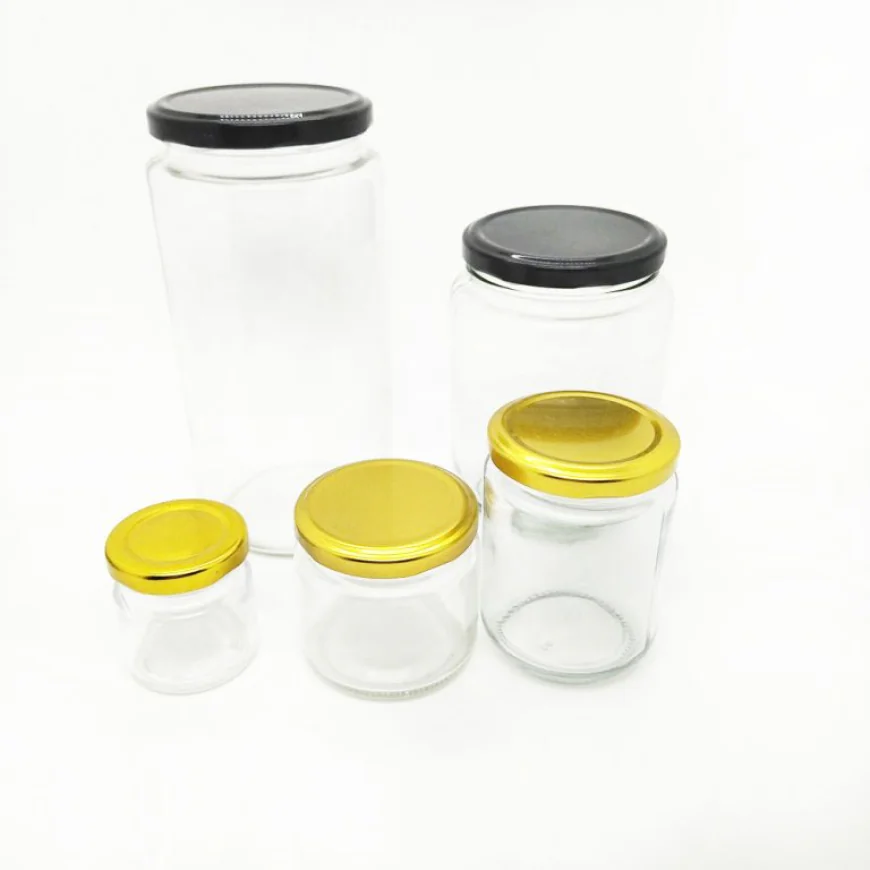
One durable option like Food Jars can replace hundreds of throwaway containers. This single habit change reduces demand across the system.
Daily choices seem small. Yet repeated actions create large effects over time.
Waste, Disposal, and Long-Term Pollution
All containers reach an end. Disposal methods define their final impact. Landfills, recycling, and burning are common paths.
Single-use containers dominate waste streams. Many are not recycled. Food residue contaminates recycling systems. Plastics often break down into microplastics. These particles spread through soil and water. Wildlife and human health suffer.
Glass and metal recycle more easily. Systems already exist. Still, breakage and sorting issues reduce recovery. Transporting recyclables also uses fuel.
Landfills release methane gas. This gas traps heat strongly. Incineration reduces volume but creates air pollution. Ash still needs disposal.
Reusable containers reduce waste volume. Fewer items reach landfills. When they do, high-quality materials recycle better. Long life delays disposal impact.
Design choices matter. Simple materials improve recycling. Mixed materials create barriers. Education improves sorting behavior.
The best waste is waste never created. Reducing disposal begins with durable choices.
Comparing Total Carbon Impact Over Time
Carbon footprint analysis looks at the full picture. Every stage is counted. This includes production, transport, use, and disposal.
Single-use containers start with low emissions per item. One unit seems harmless. Yet repeated use multiplies impact quickly. Over weeks and months, emissions rise steeply.
Reusable containers begin with higher emissions. Manufacturing is more intense. Transport may add more. However, repeated use spreads this cost. After a certain number of meals, total emissions become lower.
This break-even point depends on habits. Frequent use reaches it faster. Efficient washing helps. Cold water and full loads reduce impact.
Indirect costs also matter. Waste cleanup adds emissions. Pollution control adds more. These are often excluded from simple comparisons.
Lifecycle analysis shows a clear pattern. Durability wins over time. Fewer items mean fewer emissions overall.
Economic and Social Effects of Container Choices
Environmental impact connects with money and equity. Disposable containers seem cheap. Yet frequent buying adds up. Reusable options cost more upfront but save money over time.
Households benefit from fewer purchases. Businesses save on waste handling. Cleaning systems need investment but reduce long-term costs.
Social impacts matter. Waste facilities often sit near low-income areas. Pollution harms vulnerable communities. Reducing waste improves public health.
Access influences choice. Education helps adoption. Cultural norms shape behavior. Change takes time and support.
Policy can guide markets. Incentives encourage reuse. Taxes discourage waste. Clear labeling builds trust.
Sustainable choices must be fair and accessible. Equity ensures lasting change.
Simple Ways to Lower Lunch Impact
Small steps create progress. Choosing durable containers reduces demand. Caring for them extends life. Efficient washing saves resources.
Schools and offices can help. Providing washing stations encourages reuse. Clear rules normalize better habits.
Policy support strengthens action. Better recycling systems improve recovery. Design standards reduce waste.
Innovation continues to help. Lighter materials cut transport emissions. Repairable designs extend life.
Each lunch tells a story. Thoughtful choices reduce harm. Over time, these choices reshape the system.
Conclusion
The lifecycle of a lunch container reveals how small daily choices connect to larger environmental systems. From raw material extraction to disposal, every stage adds to the carbon footprint. While single-use containers may seem easy and affordable, their repeated production and disposal create ongoing emissions and growing waste. Over time, this repeated impact becomes significant.
Durable containers require more resources at the beginning, but their long lifespan changes the outcome. When used regularly and cared for properly, they spread their environmental cost across hundreds of meals. This reduces demand for new materials, lowers transportation needs, and limits waste entering landfills. Daily habits, such as efficient washing and careful handling, further improve their overall impact.
Transportation, manufacturing, and waste management all play important roles. However, the use phase is where individuals have the most control. Simple actions, repeated over time, create meaningful reductions in carbon output. Access, education, and supportive policies make these choices easier and more common.
In the end, reducing the environmental impact of lunch does not require perfection. It requires awareness and consistency. Choosing long-lasting options, using them often, and disposing of them responsibly helps lower emissions and protect ecosystems. Each lunch becomes an opportunity to support a healthier environment through practical and informed decisions.