Experiencing wheel noise, vibration, or unstable steering? A damaged hub bearing may be putting your safety at risk. Learn the warning signs and prevent costly repairs.
A grinding or humming noise coming from your wheels is never something to ignore. Many drivers mistake it for tire issues or road noise, but in reality, it could be a failing hub bearing. This small yet critical component plays a major role in your vehicle’s stability, steering control, and braking performance.
When a hub bearing begins to wear out, the symptoms often start subtly. However, if left unresolved, the issue can escalate into severe mechanical damage or even wheel detachment in extreme cases.
If you notice unusual sounds or vibrations, inspecting your hub bearing should be your first step toward preventing larger problems.
What Does a Hub Bearing Actually Do?
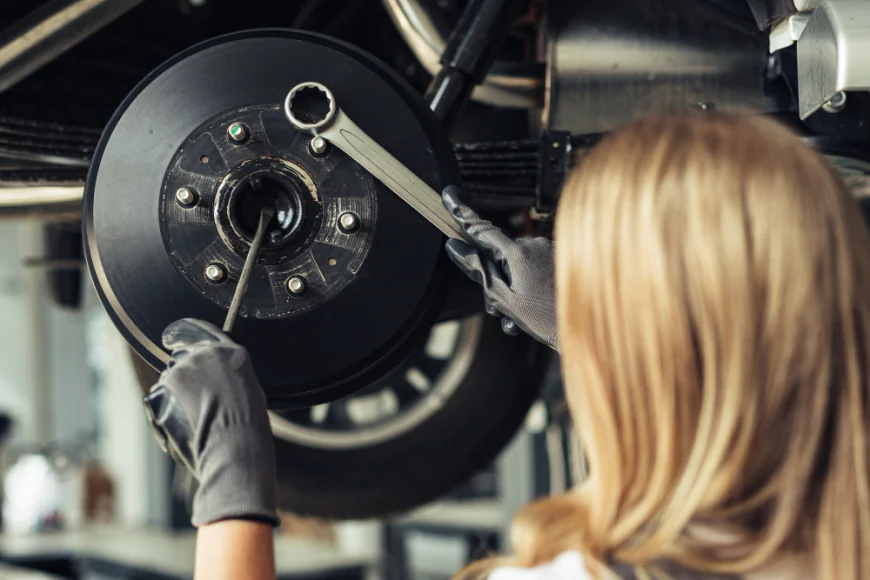
A hub bearing sits inside the wheel hub assembly and allows the wheel to rotate smoothly while supporting the vehicle’s weight. It manages both radial and axial loads and maintains proper wheel alignment.
Its main functions include:
Enabling smooth wheel rotation
Supporting vehicle load distribution
Assisting ABS system performance
Maintaining steering precision
Reducing friction and heat buildup
Modern hub assemblies often integrate wheel speed sensors, making this component even more essential for overall driving safety.
Common Warning Signs of Hub Bearing Failure
Recognizing the symptoms early can save you from costly repairs and dangerous driving conditions.
1. Grinding or Humming Noise
A continuous noise that increases with speed is one of the earliest signs of bearing wear.
2. Steering Wheel Vibration
Damaged internal rolling elements create imbalance, leading to vibration during driving.
3. Uneven Tire Wear
Improper wheel alignment caused by bearing damage can wear tires unevenly.
4. ABS Warning Light
In some vehicles, a faulty bearing may interfere with wheel speed sensors.
If you experience any of these symptoms, replacing your hub bearing promptly can prevent further damage to the suspension and braking systems.
What Causes Premature Hub Bearing Wear?
Hub bearings are built for durability, but several factors can shorten their lifespan:
Contamination
Water, dirt, and road debris can damage seals and internal components.
Improper Installation
Incorrect torque settings can lead to misalignment and early failure.
Rough Driving Conditions
Frequent potholes, curbs, and uneven terrain increase stress on the hub assembly.
Heavy Loads
Overloading your vehicle adds extra pressure to wheel components.
Routine inspection and proper maintenance significantly reduce the risk of unexpected bearing breakdown.
The Risks of Ignoring a Damaged Hub Bearing
Driving with a worn hub bearing doesn’t just affect comfort — it impacts safety. Delayed replacement can result in:
Brake rotor damage
Suspension wear
Reduced steering control
Increased fuel consumption
Complete wheel hub failure
In severe cases, excessive heat and friction can cause the bearing to seize, creating hazardous driving conditions.
Replacing the component early is far more affordable than repairing multiple interconnected systems.
Benefits of Installing a High-Quality Hub Bearing
Upgrading to a reliable hub bearing offers several performance advantages:
Smooth & Quiet Operation
Reduces noise and vibration during driving.
Improved Steering Stability
Maintains consistent alignment and control.
Enhanced Safety
Supports braking efficiency and ABS functionality.
Extended Tire Life
Prevents uneven wear and premature replacement.
Precision-engineered bearings are designed to handle high-speed rotation and heavy loads while minimizing friction and heat generation.
Protect Your Vehicle Before It Becomes Unsafe
Wheel-related noise and vibration are not minor inconveniences — they are warning signals of potential mechanical failure. Addressing hub bearing problems early ensures safer driving, smoother performance, and lower long-term repair costs.
Regular maintenance, proper installation, and choosing high-quality automotive components make all the difference. If your vehicle shows signs of instability or grinding sounds, taking immediate action can prevent costly breakdowns and keep your vehicle performing reliably.
Don’t wait until a small issue turns into a major repair. Inspect and replace worn components in time to ensure safe and smooth journeys ahead.



 nmrbearing