Why Businesses Are Switching to Paper Bags in 2026
In 2026, businesses worldwide are rapidly adopting brown paper bags as plastic restrictions tighten and consumer demand for sustainability surges.
 Boxish
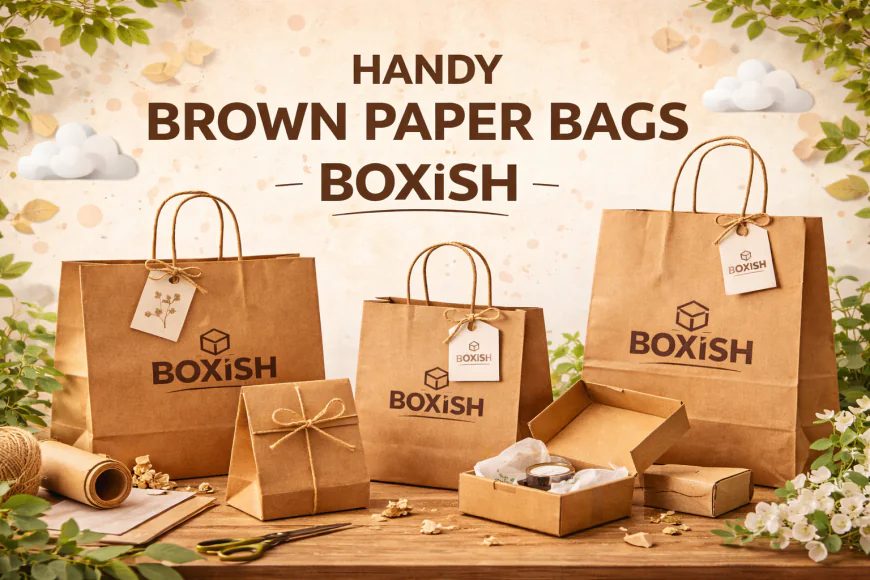
In 2026, businesses worldwide are rapidly adopting premium quality brown paper bags as plastic restrictions tighten and consumer demand for sustainability surges. This shift helps companies comply with new laws, cut environmental harm, and boost brand appeal.
Stricter Global Regulations
Governments are enforcing tougher plastic bans, forcing retailers to pivot to alternatives like paper bags. In California, stores can only offer recycled paper bags at checkout starting 2026, with recycled content rising to 50% by 2028 and fines up to $5,000 daily for non-compliance.
China, the EU, US, Southeast Asia, Japan, and South Korea continue tightening plastic limits in 2026, targeting packaging waste from booming e-commerce. India's ongoing single-use plastic rules since 2022 promote thicker plastics or eco-alternatives, pushing local businesses toward paper options amid rising enforcement.
These policies reduce plastic pollution while allowing paper bags, which meet recyclability standards.
Growing Consumer Demand
Eco-conscious shoppers now drive purchases, with 95% more likely to buy from sustainable brands and 73% willing to change habits for the environment. Over 50% prefer recyclable or paper-based packaging, especially in food and retail sectors.
In India, consumers favor eco-packaging, even paying premiums, aligning with global trends where sustainability influences loyalty. Retailers like H&M and Starbucks highlight paper bags in campaigns, gaining up to 15% higher retention.
Businesses switching report stronger trust and sales from shoppers valuing biodegradability over plastic persistence.
Environmental Advantages
Paper bags biodegrade in months, unlike plastics lasting centuries, and use up to 60% less energy when recycled. Made from renewable trees, they cut toxic waste, conserve resources, and enter easy recycling streams.
They support circular economies, with lower Scope 3 emissions aiding ESG reports. In India, paper mailers reduce transport emissions via local sourcing.

Business and Cost Benefits
While paper bags cost 5-25 cents each versus 1-5 cents for plastic, long-term savings emerge from lower waste disposal, logistics, and stability amid oil price swings. The global paper bags market grows at 4.05% CAGR, reaching $8.6 billion by 2033, signaling supply reliability.
Custom printing options like offset or flexo turn bags into marketing tools, with durable multi-ply designs handling heavy loads. Brands gain competitive edges, attracting investors via ESG alignment.
Practical Solutions from Suppliers
Indian suppliers like Boxish offer compact white paper bags (8L x 2.5W x 6H inches), ideal for retail with eco-friendly kraft materials. Challenges like higher upfront costs or durability are addressed via bulk buys, reinforced handles, and reuse incentives.
Local sourcing cuts lead times and emissions, as seen with Delhi-based options supporting quick customization.
Businesses transitioning report operational efficiency and marketing gains from versatile, branded paper bags.
Paper bags represent a smart, future-proof choice in 2026, blending compliance, consumer appeal, and sustainability for lasting business value. Companies adopting now position themselves ahead in a greener market, reducing risks while enhancing reputation.